Choosing the right oil filter is paramount for your engine’s health and longevity, always beginning with confirming exact compatibility for your vehicle’s make, model, and year according to OEM specifications. Beyond proper fitment, prioritize a filter’s efficiency, media quality, and capacity, aligning your selection with your oil type and driving style for superior protection. Investing in a high-quality filter from a reputable brand is a non-negotiable step to safeguard your engine.
Which Oil Filter for My Car The Ultimate Selection Guide
Have you ever found yourself staring at a wall of oil filters at the auto parts store, feeling totally overwhelmed? You’re not alone! It’s a common question: “which oil filter for my car is the absolute best choice?” This might seem like a small decision, but picking the right oil filter is super important for keeping your engine healthy and happy for years to come. Think of it as your engine’s personal bodyguard, catching all the bad stuff before it can cause real trouble.
So, let’s cut through the confusion and get you some clear, actionable advice. I’ve been through this myself many times, and I want to share what I’ve learned so you can make an informed decision with confidence.
Q: So, *which oil filter for my car* should I ultimately choose to keep my engine happy and protected?
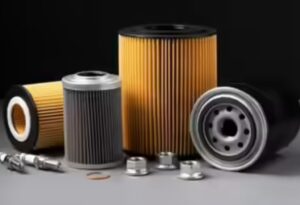
A: Deciding which oil filter for my car to buy really comes down to a few key things: what your car’s manufacturer recommends, the type of oil you use, and your driving habits. It’s not a one-size-fits-all answer, but we can definitely narrow it down!
First and foremost, always start with your car’s owner’s manual. This is your bible! It will tell you the exact specifications and recommended oil filter part numbers for your specific make and model. Seriously, don’t skip this step. This ensures compatibility and proper fitment, which is crucial for preventing leaks or damage.
Once you know the correct fit, let’s think about filtration. Oil filters generally fall into a few categories based on their filtration media:
- Standard or Conventional Filters: These typically use a cellulose-based media. They’re great for conventional motor oils and standard oil change intervals (usually 3,000-5,000 miles). They do a solid job for basic needs and are generally the most affordable option. I often used these back when I drove older cars with conventional oil.
- Synthetic Blend Filters: These filters often combine cellulose with synthetic fibers. They offer better filtration and can handle slightly longer oil change intervals than standard filters. If you’re using a synthetic blend motor oil, this is often a good pairing.
- Full Synthetic or Extended-Life Filters: These are the champions of filtration! They feature a fully synthetic media that traps smaller particles and can withstand the longer oil change intervals associated with full synthetic motor oils (often 7,500-10,000+ miles). If you’re running synthetic oil, using a full synthetic filter is a no-brainer. Mismatched filters and oil can lead to premature filter clogging. For my current car, which uses full synthetic, I always opt for an extended-life filter because it gives me peace of mind for those longer stretches between changes.
Beyond the media, there are a couple of other critical features:
- Anti-Drain Back Valve (ADBV): This little rubber or silicone gasket inside the filter is super important! It prevents oil from draining out of your engine’s top end when the engine is off. This means immediate oil pressure at start-up, reducing wear. A cheap or poorly designed ADBV can lead to noisy cold starts and unnecessary engine wear. I once heard a terrible clatter after installing a bargain-bin filter – turned out the ADBV was faulty. Never again! Now, I always look for a quality silicone ADBV.
- Construction Quality: Look for sturdy metal end caps (not cardboard), a strong housing, and a robust center tube. These details ensure the filter holds up under pressure and doesn’t collapse, compromising filtration.
So, to bring it all together: ask yourself what kind of oil you’re using and how often you change it. If you’re running full synthetic oil and want to go for longer intervals, invest in a good quality full synthetic oil filter. If you’re using conventional oil and changing it every 5,000 miles, a quality standard filter will do the trick. Don’t just pick the cheapest option; your engine deserves better! It’s a small investment that protects a much larger one.
In conclusion, choosing which oil filter for my car doesn’t have to be a mystery. By checking your owner’s manual, considering your oil type, and understanding the different filter categories and features, you can confidently select the perfect filter to keep your engine running smoothly and efficiently for many miles to come. Happy driving!