To maintain peak engine health, it is generally recommended to replace your oil filter with every oil change. This critical component tirelessly removes harmful contaminants, preventing them from recirculating and causing wear. Investing in a new filter is a small but vital step that significantly extends your engine’s lifespan and prevents costly damage.
Ever wondered if you really need to swap out that oil filter every single time you get your oil changed? It’s a common question, and honestly, it’s one I used to ponder myself. We all want to save a buck where we can, right?
Well, let me tell you straight: yes, you absolutely should plan for a new filter every oil change. Think of it as a package deal. When you give your car fresh, clean oil, you want to make sure the filter is just as fresh to do its job properly. It’s a small extra cost that makes a huge difference in your engine’s health and longevity. Let’s dive into why.
Do I need a new filter every oil change? Get the facts.
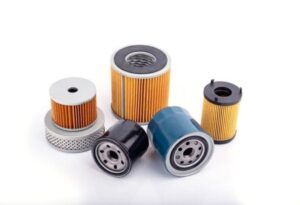
So, what’s the big deal with needing a new filter every oil change?
Okay, let’s break this down like we’re chatting over coffee. Your car’s oil filter is a superhero, quietly doing its very important job. Every time your engine runs, tiny bits of metal, dirt, carbon, and other gunk get into your engine oil. The oil filter’s job? To catch all that nasty stuff before it can circulate and cause wear and tear on your engine’s moving parts. It’s basically your engine’s kidney, filtering out impurities.
Now, imagine you’ve just poured in a fresh batch of sparkling clean oil. It’s fantastic! But if you leave the old, dirty filter in there, what happens? That filter is already loaded with all the crud it collected from the previous oil cycle. It’s like trying to shower with a dirty sponge – even with fresh soap, you’re not getting truly clean. A clogged or heavily used filter can’t effectively clean your new oil. This means all that fresh oil almost immediately starts circulating with old contaminants. It defeats the whole purpose of an oil change!
From my own experience, I learned early on that trying to skip the filter change is a false economy. I once knew a friend who thought he could get away with changing the oil filter every *other* oil change to save a few dollars. He ended up with an engine that started running rough much sooner than it should have, leading to more expensive repairs down the line. That small saving was quickly dwarfed by bigger problems. It really hammered home for me that a new filter every oil change isn’t just a recommendation; it’s smart maintenance.
Here are a few practical tips and what I’ve learned over the years:
- It’s a Pair: Always consider your oil and filter as a pair. When one goes, the other should too. It’s the simplest way to ensure your engine oil stays as clean as possible for its entire service life.
- Quality Matters (A Little): While you don’t need the absolute most expensive filter on the market, don’t just grab the cheapest one you can find. A reputable brand ensures good filtration and durability. Most standard filters are perfectly fine for regular oil change intervals.
- Check Your Manual: While I strongly advocate for a new filter every oil change, your car’s owner’s manual will always confirm the manufacturer’s specific recommendations. However, for 99% of cars, it will align with changing both simultaneously.
- Cost vs. Benefit: The cost of a new filter is minimal, usually just a few dollars, compared to the potential engine damage or reduced engine life from dirty oil. It’s truly an investment in your car’s future.
So, there you have it. Changing your oil filter with every oil change is a non-negotiable best practice for maintaining a healthy engine. It’s a simple, affordable step that ensures your fresh oil can do its job effectively, keeping your car running smoothly for miles to come. Trust me, your engine will thank you!