Understanding how long a fuel filter lasts is crucial for vehicle health, though its lifespan varies significantly based on factors like fuel quality, driving conditions, and vehicle type. While many manufacturers recommend replacement every 20,000 to 60,000 miles for gasoline engines (often sooner for diesel), paying attention to symptoms like engine misfires or reduced power is key to preventing premature failure and costly repairs.
Ever found yourself wondering about the quiet heroes under your car’s hood? The parts that do crucial work without much fanfare? One of those unsung champions is your fuel filter. It’s vital for keeping your engine happy and healthy. So, how long does a fuel filter last before it gives up the ghost? That’s a great question, and honestly, it’s not a simple “X miles or Y years” answer. But generally, most fuel filters are designed to last anywhere from 20,000 to 60,000 miles, or roughly 1 to 3 years. It really depends on a few key things we’ll dive into.
Think of it like this: your fuel filter is like a coffee filter for your car’s engine. It catches all the tiny bits of dirt, rust, and debris from the fuel before they can reach and potentially damage sensitive parts like your fuel injectors. A clean filter means clean fuel, and clean fuel means your engine runs smoothly and efficiently. Neglecting this small part can lead to big headaches, trust me!
So, exactly how long does a fuel filter last, and what factors truly influence its lifespan?
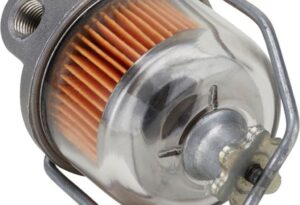
You know, it’s funny how often we overlook something until it causes a problem. When it comes to how long does a fuel filter last, it’s all about proactive thinking. While that general range of 20,000-60,000 miles or 1-3 years is a good starting point, several factors can push that number up or down. Let me share some insights, often learned from experience.
First and foremost, your vehicle’s owner’s manual is your best friend. Seriously, grab it. Manufacturers have specific recommendations based on your car’s design and intended use. Following their suggested maintenance schedule is always the safest bet. For instance, my old pickup truck had a much shorter interval for its diesel fuel filter compared to my smaller gasoline sedan. Diesel engines, with their higher pressures and often specific filtration needs, usually demand more frequent changes.
Another huge factor is fuel quality. This is a big one. If you frequently fill up at gas stations with questionable fuel quality or older pumps, your fuel filter is working overtime. It’s catching more contaminants, which means it gets clogged faster. I once had a friend who lived in a rural area and always used the same small, local gas station. His car’s fuel filter clogged up way before its recommended interval. It was a clear sign of the fuel quality it was filtering.
Your driving conditions also play a part. Are you mostly a city driver, doing stop-and-go traffic? Or do you cruise on the highway a lot? Stop-and-go driving, where your engine cycles more frequently, can sometimes put more stress on the fuel system. Also, if you live in an area with a lot of dust or environmental debris, your fuel tank might accumulate more sediment over time, again making your fuel filter work harder.
And then there’s the age of your vehicle. As cars get older, rust and sediment can build up in the fuel tank itself, even if you’re using good fuel. This internal tank gunk inevitably makes its way to the fuel filter, reducing its lifespan. It’s a natural process, but something to be aware of.
So, how do you know when your fuel filter is failing? Well, your car usually gives you clues. I remember my car feeling really sluggish on acceleration – almost like it was sputtering and couldn’t quite get enough gas. That’s a classic symptom. Other signs include:
- Difficulty starting your engine, especially on cold mornings.
- Your engine stalling or misfiring while driving.
- A noticeable loss of power or acceleration, particularly when going uphill.
- The dreaded “Check Engine” light illuminating on your dashboard.
- An unusual whining noise from the fuel pump, as it struggles to push fuel through a clogged filter.
If you experience any of these, it’s definitely time to get that fuel filter checked out. A cheap filter replacement is much better than replacing a damaged fuel pump or injectors down the line. When in doubt, it’s always better to change it out!
So, while there isn’t a single magic number for how long does a fuel filter last, paying attention to your car’s owner’s manual, being mindful of fuel quality, and listening to your vehicle for those subtle signs are your best strategies. A small, inexpensive part like the fuel filter truly is critical for your engine’s long-term health and your peace of mind on the road.