Replacing your fuel filter at the right time is paramount for maintaining optimal engine performance and longevity. Adhere to your vehicle’s manufacturer recommendations, typically every 20,000 to 40,000 miles, but always consider sooner if you experience symptoms like reduced power, hard starts, or rough idling. Proactive replacement prevents costly fuel system damage and ensures your engine runs smoothly and efficiently.
Crucial Timing When to Replace Fuel Filter for Performance
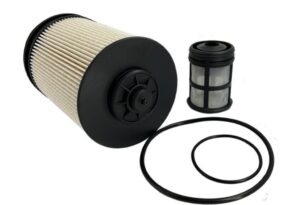
Hey folks, ever wondered about that little unsung hero in your car, the fuel filter? It’s easy to forget, tucked away where you can’t see it, but knowing when to replace fuel filter can truly save you from bigger headaches and keep your ride running smooth as silk. Think of it like changing your coffee filter – eventually, it gets clogged, right? The same goes for your car’s fuel filter, and timing its replacement is absolutely crucial for your vehicle’s long-term health and performance.
It’s not just about keeping things running; it’s about optimizing how your engine breathes. A clean fuel filter ensures your engine gets a steady, pure supply of fuel, which means better power, better fuel economy, and a happier car overall. Ignoring this small but mighty component can lead to some frustrating and costly issues down the road.
So, what’s the real scoop on when to replace fuel filter to ensure my car performs its best and avoids breakdowns?
That’s a fantastic question, and honestly, it’s one every car owner should ask! The simple answer is: it depends, but there are clear guidelines and warning signs. Most car manufacturers recommend a fuel filter replacement every 20,000 to 60,000 miles, or roughly every two years. However, this is just a general guideline. Your specific driving habits and vehicle model might push you to replace it sooner. For instance, if you drive an older car, or one that’s spent a lot of time in dusty environments or running on questionable fuel, you might need to think about fuel filter replacement more frequently.
Listen to Your Car: The Warning Signs
Your car is pretty good at telling you when something’s amiss, and a clogged fuel filter is no exception. Here are some red flags I’ve personally encountered or heard from friends:
- Engine sputtering or hesitation: This is a classic. My old sedan once started sputtering during acceleration, almost like it was gasping for air. Turns out, it was time to replace fuel filter. It just wasn’t getting enough clean fuel.
- Difficulty starting: If your car cranks for longer than usual before finally turning over, a restricted fuel filter could be the culprit.
- Poor acceleration or power loss: Ever press the pedal and feel like nothing’s happening? A clogged filter restricts fuel flow, starving your engine of the fuel it needs to perform.
- Stalling: This is more serious. If your car suddenly cuts out while driving, especially at lower speeds, it could definitely be a sign that your fuel filter is severely blocked.
- Check Engine Light: Sometimes, your car’s computer will detect a fuel delivery issue and illuminate this warning light. Don’t ignore it!
Factors That Impact Your Fuel Filter’s Life
It’s not just mileage. Several things can accelerate the need to replace fuel filter:
- Fuel Quality: If you often fill up at less reputable gas stations, or if your region has lower quality fuel, your filter will work harder to trap impurities. I always try to stick to trusted brands after a friend had ongoing issues from consistently buying cheap gas.
- Driving Conditions: Driving frequently in dusty or dirty conditions can introduce more contaminants into your fuel tank, even with a sealed system.
- Vehicle Age: Older vehicles tend to have more sediment accumulate in their fuel tanks over time, which puts extra strain on the filter.
Practical Tips and My Two Cents
From my experience, being proactive is always better than waiting for a breakdown. When you decide to replace fuel filter, consider these points:
- Consult your owner’s manual: It’s the ultimate guide for your specific vehicle. It will give you the recommended interval.
- Keep records: Whenever I replace any major component, I make a note of the date and mileage. This helps me track future maintenance.
- Consider a professional: While some fuel filter replacements are straightforward, others are located in tricky spots (like inside the fuel tank) and are best left to a qualified mechanic. I learned this the hard way trying to tackle a particularly stubborn one myself and ended up needing special tools!
- Don’t procrastinate: A small investment now can prevent much larger repair bills for fuel pumps or injectors down the line.
Ultimately, knowing when to replace fuel filter isn’t about rigid rules, but about understanding your car and paying attention to its cues. It’s a small task that yields big rewards in terms of performance, reliability, and peace of mind on the road. Don’t let this crucial component be an afterthought!