While the idea of cleaning a fuel filter for savings is tempting, it’s generally not recommended due to the intricate design and risk of ineffective cleaning or damage. Attempting DIY cleaning can leave harmful contaminants behind or even compromise the filter media, potentially leading to costly engine problems. Instead, focusing on DIY replacement is the truly effective and money-saving approach, ensuring optimal fuel system health without compromise.
Can You Clean a Fuel Filter Your DIY Guide to Savings
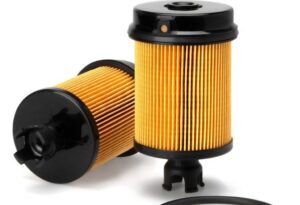
You’re staring at your car’s service schedule, and there it is: “Replace Fuel Filter.” A little voice in your head pipes up, “Can’t I just clean a fuel filter myself and save some cash?” It’s a super common thought, and I totally get it. We all love a good DIY project and finding ways to stretch our budget. So, let’s dive straight in and answer that burning question: Can you really clean a fuel filter?
Well, here’s the honest truth, friend: while the idea of cleaning a fuel filter sounds appealing for saving a buck, it’s generally *not* a recommended or effective practice for most modern vehicles. In almost all cases, replacing the fuel filter is the smarter, safer, and often, surprisingly, the more cost-effective choice in the long run. Let’s talk about why, and what you really need to know about keeping your fuel system healthy.
Can You Clean a Fuel Filter, and What Should I Know?
Okay, let’s get into the nitty-gritty. The short answer to “can you clean a fuel filter” is *mostly no*, especially for today’s cars. Think of it this way: your car’s fuel filter is designed to catch tiny particles and contaminants that could damage your engine. It’s often made of specialized paper or synthetic filter media, folded like an accordion, packed tightly inside a casing. Once these tiny pores get clogged with dirt, rust, and other gunk, they’re essentially done their job.
Trying to “clean” one of these filters usually involves back-flushing it with compressed air or some kind of solvent. And honestly, it’s not a great idea. I once saw a friend try this with an old filter from his truck. He blasted it with air, and sure, some dark liquid came out, making him think it was “clean.” But what really happened? The compressed air can actually damage the delicate filter media, creating tiny tears that allow unfiltered fuel to pass through. Not only that, but it often just pushes the contaminants deeper into the folds, compacting them rather than removing them. So, you end up with a filter that *looks* somewhat cleaner on the outside, but is either still clogged or, even worse, is now letting dirty fuel flow to your engine, potentially causing much more expensive problems down the road, like injector issues or fuel pump failure. Trust me, those repairs will *not* be a DIY guide to savings!
For older, simpler canister-style filters with removable, cleanable mesh elements (which are rare in modern cars), cleaning *might* have been an option. But even then, you’d need the right solvents to dissolve gunk and ensure no residue remained. It’s a messy, time-consuming process, and handling highly flammable fuel and harsh chemicals safely is a serious concern. I remember helping my dad once with an antique tractor, and even then, it felt like more trouble than it was worth, especially with the smell lingering for days!
So, what should you do instead?
Here are my personal tips and what I’ve learned:
- Replacement is King: For almost every car built in the last few decades, replacing the fuel filter is the only reliable solution when it’s clogged or due for maintenance. New filters are surprisingly inexpensive, often costing less than a fancy takeout meal. For my sedan, a new filter was under $20, and the peace of mind was priceless.
- Safety First, Always: If you do decide to tackle a fuel filter replacement yourself, make sure you know how to relieve fuel pressure, wear appropriate safety gear (gloves, eye protection), and work in a well-ventilated area away from any ignition sources. Fuel is highly flammable, and safety is non-negotiable.
- Check Your Manual: Your car’s owner’s manual will have the recommended service interval for your fuel filter. Sticking to this schedule is key preventative maintenance. A neglected fuel filter can lead to engine sputtering, reduced power, or even your car stalling. I ignored mine once, and my car started feeling sluggish on the highway—a quick replacement fixed it immediately.
- The Cost-Benefit Analysis: While a new fuel filter costs money, it’s a small investment compared to replacing a fuel pump or repairing clogged fuel injectors, which can run into hundreds or even thousands of dollars. Thinking you can clean a fuel filter to save money often leads to bigger expenses.
In summary, while the thought of saving money by cleaning your fuel filter is tempting, it’s a gamble that rarely pays off with modern vehicles. The risks of damaging the filter, not truly cleaning it, and potentially harming your engine far outweigh the minimal savings. Embrace the replacement – it’s a simple, affordable, and crucial part of keeping your car running smoothly and efficiently for years to come. Your engine (and your wallet in the long run) will thank you!