The primary culprit behind a clogged fuel filter is contaminated fuel, laden with dirt, rust, debris, and water that accumulate over time or are introduced during refueling. This unwelcome accumulation obstructs the filter’s critical function, preventing harmful particles from reaching your engine and ultimately leading to reduced performance and potential damage. Ensuring clean fuel and regular filter replacement are vital for maintaining your vehicle’s optimal health and longevity.
Ever had your car sputter, or felt it lose power just when you needed it most? Chances are, a clogged fuel filter might be the sneaky culprit. It’s a small but mighty part in your car’s fuel system. Its job is crucial: to catch all the gunk that shouldn’t reach your engine. When it gets clogged, your car literally struggles to breathe, or rather, to get enough clean fuel.
Most of the time, the biggest reason a fuel filter gets clogged is simply doing its job too well. It collects dirt, rust, and debris over time. Think of it like a coffee filter that eventually gets so full of grounds, no more coffee can drip through. Let’s dive deeper into what really causes this common issue.
What exactly are the main things that lead to a clogged fuel filter, and how can I spot the signs?
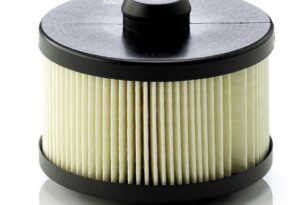
Understanding what causes a clogged fuel filter is key to preventing headaches down the road. From my own experiences and what I’ve learned over the years, it often boils down to a few core issues:
- Contaminated Fuel: This is probably the most common reason. Fuel isn’t always as clean as we’d like. Dirt, tiny rust particles, or even water can sneak into the fuel tank at the gas station. Maybe the station’s underground tanks are old, or a delivery stirred up sediment. I once filled up at a place that looked a bit rundown, and my car felt sluggish for a few days after. It was a good lesson!
- Aging Fuel Tank: As cars get older, the metal inside the fuel tank can start to rust. These tiny rust flakes then break off and travel with the fuel, heading straight for your filter. It’s unavoidable with time, especially in older vehicles.
- Infrequent Filter Changes: A fuel filter isn’t meant to last forever. It has a lifespan, typically needing replacement every 20,000 to 60,000 miles, depending on your car. If you neglect to change it, it simply becomes saturated with all the crud it’s collected. My first car taught me this the hard way – I kept putting off maintenance, and eventually, the car just wouldn’t start reliably. A new fuel filter worked wonders!
- Poor Quality Fuel: Sometimes, less refined or lower-quality fuel can contain more impurities from the start. While modern engines are pretty resilient, consistently using such fuel can speed up the clogging process.
- Ethanol in Fuel: Many fuels today contain ethanol. Ethanol can absorb water, which then carries suspended particles. More importantly, it can act as a solvent, loosening deposits and rust from older fuel tanks and lines. This might initially cause more particles to head towards your filter.
So, how do you know if you have a clogged fuel filter? Your car will definitely tell you! Here are some tell-tale signs I’ve encountered or heard from friends:
- Engine Sputtering or Misfiring: This is a classic sign. Your engine isn’t getting a steady supply of fuel. It’s like trying to drink through a straw that’s pinched.
- Loss of Power: Especially when you accelerate or drive uphill. The engine just can’t get enough fuel to produce power. A friend’s car once struggled badly on the highway, barely keeping speed – it was a severely clogged filter.
- Difficulty Starting: If your car cranks for longer than usual before firing up, or refuses to start altogether, a lack of fuel could be the reason.
- Engine Stalling: A fuel filter that’s completely blocked will prevent fuel from reaching the engine at all, causing it to stall unexpectedly.
- Check Engine Light: While it can indicate many issues, sometimes a restricted fuel flow will trigger this warning.
- Reduced Fuel Economy: Your engine might try to compensate for the lack of fuel by working harder or running lean, which can actually burn more fuel over time.
The best tip I can give is to stick to your car’s recommended maintenance schedule. It’s there for a reason! Regular fuel filter changes are an inexpensive way to prevent much costlier problems. Always try to fill up at reputable gas stations too. These simple habits keep your car running smoothly and save you from unexpected breakdowns.
Ultimately, a clogged fuel filter is often a symptom of neglect or simply time doing its work. By being mindful of fuel quality and adhering to your car’s service intervals, you can ensure this vital component keeps your engine happy and healthy, providing you with reliable drives for years to come.