Never guess your fuel filter’s direction again! Always look for a prominent flow arrow or clear “IN” and “OUT” markings on the filter body, which decisively indicate the proper path for fuel from the tank to the engine. Installing it backward will restrict fuel flow, potentially causing performance issues or even significant engine damage, so always ensure correct orientation before installation.
Never Guess Again Which Way Does a Fuel Filter Go
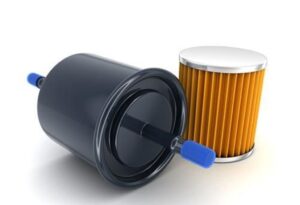
Hey there, fellow car enthusiast (or just someone trying to keep their ride running smoothly)! If you’ve ever found yourself staring at a new fuel filter, wondering which way it actually goes, you’re definitely not alone. It’s a common head-scratcher, but let me tell you, getting it right is super important. So, let’s cut to the chase: a fuel filter always goes in the direction of fuel flow, from the fuel tank towards the engine. Think of it like a one-way street for gasoline – it only goes one way, and your filter needs to be facing that path. Most filters even have a clear arrow pointing the way!
Understanding which way a fuel filter goes isn’t just about following instructions; it’s about protecting your engine. Your car’s fuel system is designed to deliver clean fuel, and the filter is the frontline defense. Installing it correctly ensures it does its job efficiently, keeping harmful contaminants out of your engine’s delicate components.
Okay, so tell me, which way does a fuel filter go, and why is getting it right so important?
Alright, let’s dive deep into this. The simple answer to “which way does a fuel filter go” is always in the direction of fuel flow, from the tank to the engine. This means the fuel enters one side of the filter, gets cleaned, and then exits the other side to continue its journey.
Now, why is this so critical? Well, imagine your engine’s fuel injectors are tiny, precise nozzles. They spray a fine mist of fuel into the engine cylinders. If microscopic dirt, rust, or debris from the fuel tank makes its way there, it can clog or damage these injectors, leading to all sorts of performance problems like misfires, rough idling, poor fuel economy, or even a complete breakdown. The fuel filter is specifically designed with filtering material to trap these nasty bits *before* they reach the engine.
Here’s how to make sure you get it right, along with some personal experience tips:
* Look for the Arrow: This is your best friend. Almost every modern inline fuel filter will have a clear arrow molded onto its body. This arrow literally points the way the fuel should flow. Make sure this arrow is pointing *towards* the engine, or *away* from the fuel tank. Don’t guess which way does a fuel filter go if you see this arrow – trust it!
* What if There’s No Arrow? This is less common, but it happens. If your new filter is arrow-less, or if you can’t quite see the arrow on the old one, you’ll need to do a little detective work.
* Observe the Old Filter: Before you remove anything, take a good look at how the existing fuel filter is installed. Which line goes into it from the tank side, and which line goes out towards the engine? Take a picture with your phone! I’ve done this more times than I can count; it’s a foolproof memory aid.
* Trace the Fuel Lines: Follow the fuel line from your gas tank forward. That line will eventually connect to the input side of your fuel filter. The line leaving the filter should then lead directly or indirectly to the engine’s fuel rail. The “in” side of the filter is usually slightly wider or has a different fitting than the “out” side on some older models.
* Consequences of Installing It Backward: I once had a friend who installed his backward. His car started, but it ran terribly, sputtering and losing power. Why? Because the filtering material is often designed for one-way flow. If installed backward, the fuel struggles to pass through, causing a restriction that starves the engine of fuel. It can also dislodge trapped contaminants, sending them straight into your engine, or even damage the filter itself, leading to early failure. It basically stops doing its job, or worse, becomes a problem creator.
* Practical Tips from My Garage:
* Always have a drain pan ready! When you disconnect fuel lines, fuel *will* drip out.
* Use the correct fuel line disconnect tools if your car requires them. Don’t force anything.
* Once the new filter is in place, double-check all connections to ensure they’re secure and leak-free. A leaking fuel line is a serious fire hazard.
* After installation, turn the key to the “on” position (without starting the engine) a few times. This primes the fuel pump and pressurizes the system, helping to push any air out of the lines. Then, start the engine and check for leaks again.
Remember, the goal is always clean fuel reaching your engine. So, when you ask yourself “which way does a fuel filter go,” just remember: arrow to the engine, tank to the filter!
Don’t Guess, Follow the Flow!
So, there you have it! No more guessing games when it comes to “which way does a fuel filter go.” The rule of thumb is simple and universal: always follow the direction of fuel flow, from the tank to the engine, and let those little arrows be your guide. Taking a moment to double-check this crucial step can save you a lot of headaches, money, and potential engine damage down the road. Keep those fuel lines clean, your engine happy, and your drives smooth!