Driving with a clogged fuel filter is ill-advised, as significant performance issues can emerge almost immediately. Your vehicle might experience hesitation, misfires, reduced power, or even stall, quickly making it unreliable. Prolonged neglect can also severely strain and damage your fuel pump, escalating repair costs significantly.
How Long Can You Drive with a Clogged Fuel Filter Before Trouble
Quick Answers to Common Questions
Can I still drive my car if I suspect a clogged fuel filter?
You might be able to drive for a short while, but it’s not recommended. A clogged fuel filter restricts fuel flow, starving your engine and potentially causing further damage.
What are the first signs I’ll notice of a clogged fuel filter?
You’ll likely experience hesitation, a noticeable loss of power, especially when accelerating, or your engine might misfire. These are clear indicators that your fuel system, possibly a clogged fuel filter, needs attention.
How long can I realistically drive with a clogged fuel filter before it causes serious issues?
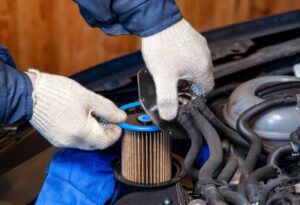
It’s truly a gamble, but generally, not very long at all before performance drastically declines or your car might completely shut down. Prolonged driving with a clogged fuel filter can quickly strain your fuel pump and other engine components.
What kind of damage can happen if I ignore a clogged fuel filter?
Ignoring a clogged fuel filter can lead to your fuel pump overheating and failing, which is a much more expensive repair than replacing the filter itself. It can also cause engine misfires, rough idling, and reduced fuel efficiency.
What’s the best course of action once I suspect a clogged fuel filter?
The best course of action is to replace the clogged fuel filter as soon as possible. It’s a relatively inexpensive maintenance item that prevents far costlier repairs and keeps your engine running smoothly.
Why This Matters / Understanding the Problem
Hey there! Let’s chat about something that often gets overlooked: your car’s fuel filter. Think of it like your car’s kidney. It’s constantly working hard to keep gunk and debris out of your engine’s fuel supply. Pretty important, right?
But what happens when it gets clogged? That’s when things start to get interesting, and not in a good way. Many folks wonder, how long can you drive with a clogged fuel filter before trouble really starts? It’s a tricky question, because the answer is, “not very long, and it’s a gamble you don’t want to take.” Ignoring a struggling fuel filter can lead to a whole host of headaches, from annoying performance issues to some seriously expensive repairs. Trust me, I’ve seen it happen.
Understanding the signs and knowing what to expect can save you a lot of grief and money down the road. Let’s dig into it.
What You Need to Know & What to Look For
Before we talk about how long you *can* drive, let’s discuss what you *should* be looking for. You don’t need a toolbox for this part, just your senses and a little attentiveness to your car’s behavior.
- Changes in Engine Performance: Is your car feeling sluggish? Not accelerating like it used to?
- Difficulty Starting: Does it crank for longer than usual?
- Stalling: Does your engine sputter and die, especially at low speeds or idle?
- Rough Idling: Does your car vibrate or feel unstable when stopped?
- Check Engine Light: Sometimes, but not always, a clogged fuel filter can trigger this warning.
- Unusual Engine Sounds: A whining noise from the fuel pump area might suggest it’s working overtime.
These are all hints that your car isn’t getting the clean, steady fuel supply it needs. These warning signs are your car’s way of saying, “Hey, something’s wrong here!”
The Stages of Driving with a Clogged Fuel Filter: What to Expect
So, you’re still wondering, how long can you drive with a clogged fuel filter before trouble escalates? It’s not an instant breakdown, but rather a progression. Think of it as your car slowly getting sicker. Here’s a look at the stages you might experience if you keep driving with a blocked fuel filter.
Stage 1: Subtle Niggles
At first, you might not even notice anything. The fuel filter is just starting to restrict flow. You might feel a tiny hesitation when you accelerate. Or maybe your car doesn’t quite have the “oomph” it used to on the highway. It’s easy to brush these off as “just my imagination” or “my car is getting old.” This is often the point where you’re still wondering, “can I make it to my destination?”
Your engine isn’t starving yet, but it’s not getting all the fuel it expects. Fuel economy might drop slightly, too, as the engine struggles.
Stage 2: Noticeable Performance Issues
This is where things become more obvious. That hesitation turns into a definite stumble when you press the gas pedal. Your car might struggle on inclines or when carrying a heavy load. Starting the car could take an extra crank or two. You might even experience stalling, especially at low speeds or when coming to a stop.
This is your car screaming for attention. The fuel pump is now working much harder, trying to push fuel through that clogged filter. This extra strain is bad news for the fuel pump itself, which is a much more expensive part to replace.
Stage 3: Serious Engine Trouble
If you’ve made it this far, you’re really pushing your luck. Stalling becomes more frequent and unpredictable. Your car could lose power suddenly while driving, which is incredibly dangerous. The engine might misfire or run very roughly, feeling like it’s about to quit entirely.
At this stage, your fuel pump is likely on its last legs from overwork. The engine isn’t getting enough fuel to run properly at all. You’re not just risking a breakdown; you’re risking damage to other components like your catalytic converter due to unburnt fuel or rich conditions.
Stage 4: Breakdown!
Eventually, if the problem isn’t addressed, your car will simply stop. The fuel filter will be so completely clogged that no fuel, or not enough to keep the engine running, can pass through. You’ll be stranded, likely at the most inconvenient time and place. This is the definitive answer to how long can you drive with a clogged fuel filter before trouble turns into a total stoppage.
At this point, you’re looking at a tow truck ride and a repair bill that will likely be much higher than simply replacing the fuel filter in the first place.
Pro Tips & Common Mistakes to Avoid
Here are some insights I’ve gathered over the years, shared just like I would with a friend.
Pro Tip: Don’t wait for symptoms.
The best approach is proactive maintenance. Check your car’s manual for recommended fuel filter replacement intervals. It’s usually every 20,000 to 60,000 miles, depending on your vehicle and driving conditions. Replacing it on schedule is far cheaper and easier than waiting for trouble.
Common Mistake: Thinking it’s “just a hiccup.”
Don’t ignore the early signs! Those subtle hesitations or longer cranks are not just your car being moody. They’re real indicators of a potential problem. Addressing them early can prevent a minor issue from becoming a major one. Your car is talking to you, listen up!
Warning: Driving with a struggling fuel pump.
As mentioned, a clogged filter makes your fuel pump work overtime. This significantly shortens its lifespan. A new fuel pump can be hundreds of dollars, plus labor. A fuel filter, on the other hand, is often under $50. The math is pretty clear. Don’t let a cheap part destroy an expensive one.
Pro Tip: Consider your fuel quality.
If you frequently use gas stations that seem a bit questionable, or if you live in an area with older fuel infrastructure, your fuel filter might clog faster. This is why regular replacement is key.
FAQs About How Long Can You Drive with a Clogged Fuel Filter Before Trouble
Here are some common questions people ask about this very issue:
Q1: Is it dangerous to drive with a clogged fuel filter?
A: Absolutely, yes. Beyond the risk of breaking down, losing power suddenly on a highway or in heavy traffic can be extremely hazardous. Your car might not respond when you need it most, putting you and others at risk. It’s not just about “how long can you drive with a clogged fuel filter before trouble” for your car, but for your safety too.
Q2: What causes a fuel filter to clog?
A: Fuel isn’t always perfectly clean. Over time, tiny particles of dirt, rust, debris from the fuel tank, or contaminants from the gas station can accumulate in the filter. Its job is to catch these, so eventually, it gets full.
Q3: How often should I replace my fuel filter?
A: Check your car’s owner manual for the manufacturer’s recommendation. Generally, it’s every 20,000 to 60,000 miles. Some newer cars have “lifetime” filters, but even those can eventually get clogged in extreme conditions. If you’re noticing symptoms, it’s time, regardless of mileage.
Q4: Can a clogged fuel filter damage my engine?
A: Indirectly, yes. The biggest direct damage risk is to your fuel pump from overworking. However, if your engine consistently runs with an improper fuel-air mixture due to restricted fuel flow, it can put extra stress on components like your catalytic converter and even cause misfires that wear out other parts.
Q5: Will my car just stop immediately if the fuel filter is totally clogged?
A: Not usually immediately. It’s more of a gradual decline, as we discussed in the stages. However, once it reaches a critical point, it can indeed suddenly die while driving or refuse to start altogether.
Q6: Can I clean a clogged fuel filter instead of replacing it?
A: For most modern cars, no. Fuel filters are designed to be replaced, not cleaned. Trying to clean it often won’t effectively remove all the contaminants and might even damage the filter media, making the problem worse or allowing debris into your engine. It’s always best to replace it.
Q7: Does my car have more than one fuel filter?
A: Most cars have one primary in-line fuel filter. However, your car also has a “fuel strainer” or “sock filter” located at the bottom of the fuel pump module inside the fuel tank. This catches larger debris before it even reaches the main filter. When people refer to the “fuel filter,” they usually mean the main one.
Final Thoughts
So, how long can you drive with a clogged fuel filter before trouble? The simple, honest answer is: you really shouldn’t try to find out. While your car might limp along for a little while, you’re constantly pushing it closer to a breakdown and risking more expensive damage to other vital components like your fuel pump.
My best advice? Listen to your car. If it’s showing any of the symptoms we talked about, get that fuel filter checked and replaced. It’s a small, inexpensive part that plays a huge role in your car’s health and your peace of mind. A little preventative maintenance goes a long way!