Spark plugs are the essential igniters in your car’s engine, crucial for generating power. They deliver a precisely timed electric spark that ignites the air-fuel mixture within each cylinder’s combustion chamber. This critical ignition process powers the engine, ensuring efficient operation and reliable vehicle performance.
Key Takeaways
- Spark Plugs Ignite: They create the electrical spark igniting air-fuel mix.
- Essential for Combustion: Crucial for converting fuel into engine power.
- Impact Engine Performance: Directly affect power, acceleration, and fuel economy.
- Enable Engine Start: Without a spark, your car’s engine simply won’t start.
- Deliver Precise Spark: Ensure timely and efficient combustion in cylinders.
- Faulty Plugs Cause Issues: Lead to misfires, poor performance, and reduced MPG.
📑 Table of Contents
- What Do Spark Plugs Do In A Car Key Engine Role
- The Basics: What is a Spark Plug?
- The Ignition Process: How a Spark Plug Works Its Magic
- Why Spark Plugs Matter: The Chain Reaction of Performance
- Recognizing Trouble: Signs of Failing Spark Plugs
- Keeping Your Spark Plugs Happy: Maintenance and Replacement
- Conclusion
What Do Spark Plugs Do In A Car Key Engine Role
Picture this: You hop into your car, turn the key, or push the start button. The engine rumbles to life, and you’re off, ready for your daily commute, a weekend adventure, or a quick trip to the grocery store. It feels like magic, doesn’t it? But behind that seemingly effortless start lies a symphony of components working in harmony, and one tiny, often overlooked part plays an absolutely crucial role: the spark plug.
You might have heard the term “spark plug” before, perhaps when discussing car maintenance or an engine issue. But have you ever stopped to think about what do spark plugs do in a car, or why they’re so incredibly vital to your vehicle’s performance? It’s easy to take these little guys for granted, sitting deep inside your engine, doing their unseen work. Yet, without them, your car would be nothing more than a very heavy, very stylish paperweight.
Today, we’re going to pull back the curtain and explore the fascinating world of spark plugs. We’ll dive into their function, understand their impact on your driving experience, and learn how to keep them in top shape. Get ready to discover the true “key engine role” of this small but mighty component and gain a deeper appreciation for the intricate engineering under your hood!
The Basics: What is a Spark Plug?
Let’s start with the fundamentals. If you’ve never actually seen a spark plug, imagine a small, cylindrical component, typically a few inches long. It has a threaded metal shell, a ceramic insulator in the middle, and a central electrode that protrudes from the tip. Visually, it might not look like much, but its design is perfectly engineered for a very specific and critical task.
A Tiny Component with a Mighty Job
At its core, a spark plug is an electrical device that sits in the cylinder head of each cylinder in your car’s engine. Its primary job is to ignite the compressed air-fuel mixture within the combustion chamber. Think of it as the tiny matchstick that starts the controlled explosion necessary to power your car. Without this spark, the fuel won’t burn, and your engine simply won’t run. This immediate ignition is absolutely essential for your car’s engine to perform its job.
The Ignition Process: How a Spark Plug Works Its Magic
To truly appreciate what do spark plugs do in a car, we need to understand the engine’s combustion cycle. Don’t worry, we’ll keep it super simple, focusing on the spark plug’s moment in the spotlight.
The Four Strokes in a Nutshell
Most modern car engines operate on a “four-stroke” cycle for each cylinder:
- Intake Stroke: A valve opens, and the piston moves down, drawing a mixture of air and fuel into the cylinder.
- Compression Stroke: The valve closes, and the piston moves up, compressing this air-fuel mixture into a very small, dense space. This is where things get interesting!
- Power (Combustion) Stroke: This is the spark plug’s big moment. At the peak of compression, the spark plug fires, igniting the mixture. The resulting explosion forces the piston back down with immense power.
- Exhaust Stroke: Another valve opens, and the piston moves up again, pushing out the burnt exhaust gases so the cycle can begin anew.
Delivering the Spark
During the compression stroke, the air-fuel mixture is primed and ready. The engine’s ignition system then sends a high-voltage electrical current, often tens of thousands of volts, to the spark plug. This current travels down the central electrode of the spark plug. At the very tip of the spark plug, there’s a small gap between the central electrode and a ground electrode (usually a small hook-like piece of metal). When the voltage is high enough, it jumps this gap, creating a powerful, hot electrical arc – the “spark.” This precise timing and powerful spark are exactly what do spark plugs do in a car to get the combustion process going.
This spark instantly ignites the highly compressed air-fuel mixture, causing a rapid expansion of gases that drives the piston down, creating the power that ultimately turns your wheels. It happens thousands of times a minute in each cylinder, a testament to the incredible precision and durability of these components.
Why Spark Plugs Matter: The Chain Reaction of Performance
Now that we know the fundamental role of what do spark plugs do in a car, let’s explore the ripple effect they have on your entire driving experience. It’s not just about starting the car; it’s about how well it runs every single mile.
Fuel Efficiency and Economy
When spark plugs are healthy and firing efficiently, they ensure complete and timely combustion of the air-fuel mixture. This means every drop of fuel is being used effectively to generate power. If a spark plug is weak or fouled, it might not ignite the mixture completely, or at the right time. This leads to wasted fuel, as some of it passes through the engine unburnt. The result? You’ll find yourself at the gas station more often, paying for fuel that wasn’t properly utilized. Good spark plugs are a direct contributor to better MPG.
Smooth Idling and Acceleration
Have you ever noticed your car idling a bit rough, like it has a cough? Or maybe it feels sluggish when you press the accelerator? Often, the culprit can be worn-out spark plugs. When each spark plug delivers a consistent, strong spark, your engine cylinders fire evenly and powerfully. This translates to a smooth, quiet idle and strong, responsive acceleration when you need it. A healthy spark plug ensures that each cylinder is pulling its weight, keeping the engine balanced and happy.
Reduced Emissions
Efficient combustion also has environmental benefits. When fuel is burned completely, fewer harmful pollutants are released into the atmosphere. Worn spark plugs, leading to incomplete combustion, can result in higher emissions, which isn’t good for the environment or your car’s ability to pass emissions tests. So, maintaining your spark plugs isn’t just about saving money on fuel; it’s also about being a responsible car owner and contributing to cleaner air.
Recognizing Trouble: Signs of Failing Spark Plugs
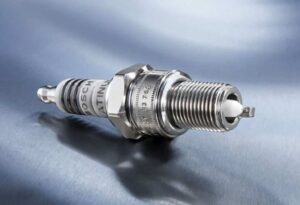
Like any component in your car, spark plugs don’t last forever. Over time, the electrodes wear down, deposits can build up, and their ability to generate a strong spark diminishes. Knowing the warning signs can save you from bigger problems down the road.
Misfires and Rough Idling
This is one of the most common and noticeable symptoms. If a spark plug isn’t firing correctly, that cylinder won’t contribute power, causing the engine to “misfire.” You’ll feel a noticeable stumble, shudder, or vibration, especially when the car is idling. It might sound like the engine is struggling or running unevenly. This directly affects what do spark plugs do in a car by compromising consistent power delivery.
Reduced Fuel Economy
As we discussed, inefficient combustion due to failing spark plugs means more fuel is wasted. If you notice your usual mileage suddenly dropping, and you’re filling up your tank more frequently without a change in driving habits, faulty spark plugs could be the reason.
Sluggish Acceleration
Does your car feel less peppy than usual? When you press the gas pedal, does it hesitate or accelerate slowly? This can be a sign that your spark plugs aren’t providing the consistent, powerful ignition needed for optimal engine performance. The engine might feel like it’s “holding back.”
Check Engine Light
Modern cars are smart! If a spark plug misfires repeatedly, your car’s onboard computer (ECU) will detect it. This will often trigger your “Check Engine” light on the dashboard. While a Check Engine light can indicate many issues, spark plug problems are a common cause. If this light comes on, it’s always a good idea to have your car checked by a professional.
Keeping Your Spark Plugs Happy: Maintenance and Replacement
Understanding what do spark plugs do in a car makes it clear why their proper maintenance is so crucial. Luckily, maintaining them isn’t overly complicated, and it’s a routine part of car ownership.
When to Replace Them
The replacement interval for spark plugs varies greatly depending on the type of spark plug and your vehicle’s manufacturer recommendations. Older copper spark plugs might need replacement every 30,000 miles, while modern platinum or iridium spark plugs can last much longer, often 60,000 to 100,000 miles, or even more. Always consult your car’s owner’s manual for the specific recommendation for your vehicle. Sticking to this schedule is key for optimal performance and longevity.
Choosing the Right Spark Plugs
When it comes time for replacement, it’s important to choose the right type of spark plugs for your car. There are generally three main types:
- Copper: These are the most basic and oldest type, offering excellent conductivity but wearing out faster.
- Platinum: More durable and last longer than copper, often used as original equipment in many cars.
- Iridium: The most advanced and durable type, offering superior performance and the longest lifespan.
Using the type recommended by your car’s manufacturer is usually the best bet. Here’s a quick comparison:
| Spark Plug Type | Typical Lifespan | Cost (Relative) | Performance/Durability |
|---|---|---|---|
| Copper | ~30,000 miles | Low | Good conductivity, fastest wear |
| Platinum | ~60,000-100,000 miles | Medium | Better durability, good performance |
| Iridium | ~100,000+ miles | High | Excellent durability, superior performance |
The Importance of Proper Gapping
The small gap between the electrodes on the spark plug is critical. It determines the strength and consistency of the spark. Each car manufacturer specifies a precise “gap” for their engines. If the gap is too wide, the spark might be weak or inconsistent; if it’s too narrow, the spark might not be powerful enough. New spark plugs usually come pre-gapped, but it’s always a good idea to double-check and adjust them with a gapping tool if necessary before installation, or have a professional do it.
Replacing spark plugs can be a DIY project for those comfortable with basic car maintenance, but if you’re unsure, it’s always best to have a qualified mechanic handle it. They have the right tools and expertise to ensure correct installation and gapping, safeguarding the vital function of what do spark plugs do in a car.
Conclusion
So, the next time you turn the key and hear your engine roar to life, take a moment to appreciate the unsung heroes working diligently inside: the spark plugs. These small components, often hidden from view, are absolutely fundamental to your car’s operation, impacting everything from its ability to start to its fuel efficiency, power, and environmental footprint.
Understanding what do spark plugs do in a car empowers you as a car owner. You now know their key engine role, how they contribute to performance, and what signs to look for when they might need attention. By keeping an eye on your car’s symptoms and following your manufacturer’s recommended maintenance schedule for spark plug replacement, you’re ensuring a smoother, more efficient, and more reliable driving experience for yourself and your vehicle. It’s a small bit of maintenance that makes a world of difference!
Frequently Asked Questions
What is the primary function of spark plugs in a car’s engine?
Spark plugs are crucial components responsible for igniting the air-fuel mixture in your engine’s combustion chambers. They create a precisely timed electrical spark that initiates the combustion process, which then generates the power needed to move your car.
How do spark plugs actually create the spark needed for combustion?
Spark plugs work by receiving high voltage electricity from the ignition system, typically via the ignition coils. This electricity jumps across a small gap between the plug’s central electrode and ground electrode, creating a powerful spark that ignites the compressed air-fuel mixture.
Why are spark plugs so important for engine operation?
Without functioning spark plugs, your car’s engine simply cannot start or run properly because there would be no ignition source for the fuel. They are fundamental to the internal combustion process, directly enabling the engine to produce power and operate efficiently.
Where are the spark plugs located in a car’s engine, and how many are there?
Spark plugs are typically found screwed into the cylinder head of each cylinder, usually beneath a coil pack or spark plug wire. Most cars have one spark plug per cylinder, so a 4-cylinder engine will have four, a 6-cylinder will have six, and so on.
Can old or faulty spark plugs affect my car’s performance or fuel economy?
Absolutely. Worn-out or fouled spark plugs can lead to misfires, reduced engine power, rough idling, and decreased acceleration. This inefficiency also means your engine has to work harder, often resulting in significantly worse fuel economy and increased emissions.
What are the common signs that spark plugs need to be replaced?
Common indicators include difficulty starting the car, engine misfires or a rough idle, poor acceleration, and a noticeable drop in fuel efficiency. If you experience these symptoms, it’s a good idea to have your spark plugs inspected or replaced according to your car’s maintenance schedule.