Stop the guesswork! Most spark plugs primarily require a 5/8-inch, 13/16-inch, or 16mm socket, though the exact size is crucial and varies by engine and plug type. This guide makes finding the right fit simple, often recommending specialized thin-wall or magnetic spark plug sockets for hassle-free removal and installation. Learn to confidently select the correct tool every time, avoiding stripped plugs and wasted effort.
Hey there, fellow DIY enthusiast! Ever found yourself staring at a greasy engine, new spark plugs in hand, only to realize you have no idea what size socket for spark plugs you actually need? Been there, done that, and bought the wrong socket more times than I care to admit. It’s frustrating, right? You’re all geared up to save some money and get your car running smoothly, only to hit a wall because of a simple tool mismatch.
I remember one Saturday, determined to change the spark plugs on my old sedan. I confidently grabbed a socket set, started loosening things up, and then… nothing. The socket I picked was either too big and just spun freely, or too small and wouldn’t even fit over the hex. What size socket for spark plugs did I need? It felt like a riddle. This little hiccup turned a quick job into a frustrating trip to the auto parts store, costing me precious time and momentum. But guess what? You don’t have to go through that! With a little knowledge, you can always pick the right tool the first time.
Changing spark plugs is a fundamental maintenance task that can significantly improve your car’s performance and fuel efficiency. It’s totally within reach for most home mechanics. The trickiest part, honestly, often boils down to having the correct tools – and knowing what size socket for spark plugs is paramount. So, let’s banish the guesswork together and make sure you’re always ready for a successful spark plug change.
Key Takeaways
- Most cars use 5/8″, 13/16″, 14mm, or 16mm spark plug sockets.
- Consult your vehicle manual for the precise spark plug size.
- Measure the old plug’s hex if the manual is unavailable.
- Never guess the size to prevent spark plug or engine damage.
- Use a thin-wall, magnetic or rubber-insert socket for ease.
- Invest in a quality spark plug socket kit for versatility.
- Ensure a proper socket fit to avoid stripping the plug.
📑 Table of Contents
The Basics: Understanding Spark Plug Sockets
Before we dive into specific sizes, let’s talk about what makes a spark plug socket unique compared to your everyday hex socket. It’s not just about the opening; there are a few key features that set them apart and make your job a whole lot easier.
What Makes a Spark Plug Socket Special?
- Internal Rubber Insert or Magnetic Retainer: This is perhaps the most crucial feature. Standard sockets are just hollow, but spark plug sockets have a rubber grommet or a small magnet inside. This is designed to grip the ceramic insulator of the spark plug, holding it firmly so you can extract it from deep wells and guide the new one in without it falling out. Trust me, trying to fish a dropped spark plug out of a narrow engine bay is not fun.
- Longer Length: Spark plugs often sit deep within the cylinder head. Regular shallow or even medium-depth sockets usually aren’t long enough to reach. Spark plug sockets are typically deeper to ensure full engagement with the plug’s hex.
- Thin Walls: Many modern engines have spark plugs nestled in very tight wells. Standard sockets can sometimes be too thick to fit down these narrow passages. Spark plug sockets are often designed with thinner walls to squeeze into those confined spaces without scraping or getting stuck.
Common Drive Sizes for Spark Plug Sockets
Just like other sockets, spark plug sockets come in different drive sizes, referring to the square hole where your ratchet or extension attaches. The most common ones you’ll encounter are:
- 3/8-inch Drive: This is by far the most prevalent drive size for spark plug sockets. It offers a good balance of strength and maneuverability for most passenger vehicles. Most of your typical ratchets and extensions will be 3/8-inch.
- 1/2-inch Drive: While less common for spark plugs, some larger sockets or heavy-duty applications might require a 1/2-inch drive. If you’re working on larger engines or certain trucks, you might run into this.
Standard Spark Plug Socket Sizes You’ll Encounter
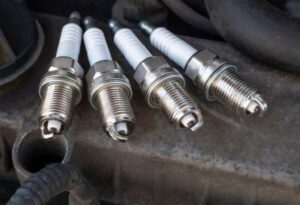
Alright, let’s get to the brass tacks: what size socket for spark plugs will you most likely need? While there are many variations, a few sizes cover the vast majority of vehicles on the road today. Think of these as your “go-to” sizes.
The Big Three: 5/8″, 13/16″, and 9/16″
These three sizes account for a huge percentage of spark plugs out there. If you have these three in your toolbox, you’re usually in pretty good shape.
- 5/8-inch (16mm): This is arguably the most common spark plug socket size today. You’ll find this on many modern Japanese cars (Honda, Toyota), Korean cars (Hyundai, Kia), and a significant number of American vehicles (newer Ford, GM, Chrysler). If you’re buying one spark plug socket, this is often the best bet.
- 13/16-inch (21mm): This used to be the dominant size, especially on older American cars and trucks. Many motorcycles, lawnmowers, and small engines also use 13/16-inch plugs. If you’re working on a classic or a larger utility vehicle, this size is a strong contender for what size socket for spark plugs you’ll need.
- 9/16-inch (14mm): This size has become increasingly common with engine design changes aimed at compactness and efficiency. Many newer Ford engines (like some Triton V8s or EcoBoost engines), as well as some European vehicles (BMW, Mercedes, Audi), utilize 9/16-inch spark plugs. It’s often paired with a thin-wall design due to tight engine bays.
Less Common But Possible Sizes
While the “Big Three” cover most bases, don’t be surprised if you run into an outlier. Some less common sizes include 14mm (which is the metric equivalent of 9/16″, often found on European cars) and 18mm (which is roughly 11/16″), sometimes seen on older foreign cars or specific industrial engines. Always be prepared to verify.
How to Determine the Correct Spark Plug Socket Size for Your Vehicle
So, how do you nail down the exact answer to “what size socket for spark plugs” for your specific vehicle? Thankfully, there are several reliable methods that beat guesswork every time.
Consult Your Owner’s Manual
This is your first and most reliable source. Your car’s owner’s manual often specifies the type of spark plug required, and sometimes even the correct socket size. It’s designed to give you all the information you need for basic maintenance. A quick flick through the maintenance schedule or specifications section can save you a lot of headache.
Check the New Spark Plugs (Best Method!)
Once you’ve bought your replacement spark plugs, the answer to what size socket for spark plugs is usually right in front of you. Most spark plug manufacturers print the required socket size on the packaging itself. It might say “Socket: 5/8″ (16mm)” or something similar. If not, you can simply measure the hexagonal part of the new plug with a caliper or even by trying different sockets from a set until you find the perfect fit. This is my go-to method every time!
Online Resources and Auto Parts Stores
The internet is a vast resource. Websites like RockAuto, AutoZone, O’Reilly Auto Parts, or Advance Auto Parts often list the spark plug socket size needed when you input your vehicle’s make, model, and year. You can also call or visit your local auto parts store. The staff there are usually knowledgeable and can quickly look up the information for you based on your vehicle’s specs.
Visual Inspection (Use with Caution)
While not the most accurate, if you can clearly see the existing spark plugs, you might be able to get a rough idea. However, measuring the hex of a dirty, installed spark plug can be tricky and lead to errors. It’s always better to use one of the other methods.
Essential Features of a Good Spark Plug Socket
Knowing what size socket for spark plugs you need is a great start, but having the right kind of socket makes all the difference in ease and safety. Not all sockets are created equal for this job.
Rubber Insert vs. Magnetic Retainer
As mentioned, this internal gripping mechanism is vital:
- Rubber Insert: The traditional choice. The rubber grommet holds the plug securely. However, over time, these can wear out, crack, or even pull out of the socket, especially with frequent use or if the plug is particularly stubborn.
- Magnetic Retainer: A more modern alternative. These sockets use a strong magnet to hold the spark plug. They tend to last longer than rubber inserts and offer a more positive “grip” on the plug. Many professional mechanics prefer magnetic sockets.
Both work, but magnetic versions often provide a more reliable and durable solution.
Thin Walls are Crucial
I can’t stress this enough. If you’re working on a car with deep, narrow spark plug wells (think many European and newer Japanese engines), a standard thick-walled socket, even if it’s the right hex size, simply won’t fit. Always opt for a “thin-wall” spark plug socket if your engine design looks particularly cramped. It prevents scraping the cylinder head or getting your socket permanently stuck.
Appropriate Length and Extensions
Most spark plug sockets are already quite deep, but sometimes you need more reach. Having a good set of extensions (3-inch, 6-inch, 10-inch) is invaluable. A swivel head or “wobble” extension can also be a lifesaver for plugs that are located at awkward angles, allowing you to get a straight purchase without stripping the plug hex.
Quality Material
Look for sockets made from chrome vanadium steel. This material offers excellent durability and strength, ensuring your socket won’t crack or strip under the torque required to remove or install spark plugs.
Spark Plug Socket Size Reference Table
To give you a quick visual reference when you’re wondering what size socket for spark plugs might be needed, here’s a handy table of common sizes and their typical applications:
| Spark Plug Hex Size (mm) | Corresponding Socket Size (inches) | Common Applications |
|---|---|---|
| 14mm | 9/16″ | Many modern European cars (BMW, Mercedes), some newer Ford engines (e.g., EcoBoost) |
| 16mm | 5/8″ | Most modern Japanese and US vehicles (Honda, Toyota, GM, Ford), many small engines |
| 18mm | 11/16″ | Some older European/Asian cars, specific small engines, some motorcycles |
| 21mm | 13/16″ | Many older US cars and trucks, some motorcycles, lawnmowers, larger small engines |
Tips for a Smooth Spark Plug Replacement
Beyond knowing what size socket for spark plugs, a few extra tips can turn a potentially tricky job into a breeze:
- Work on a Cool Engine: Always change spark plugs when the engine is cool. Attempting to remove plugs from a hot engine can increase the risk of stripping the threads in the cylinder head or breaking the plug.
- Use a Torque Wrench: Spark plugs have specific torque specifications. Over-tightening can strip threads or damage the plug; under-tightening can lead to blow-outs or misfires. A torque wrench is a small investment that prevents big problems.
- Apply Anti-Seize Compound: A tiny dab of anti-seize on the threads of new spark plugs (unless the manufacturer specifically warns against it for certain coated plugs) can prevent them from seizing in the cylinder head, making future removal much easier.
- Use Dielectric Grease on Boots: A small amount of dielectric grease inside the spark plug boot (the part that connects to the top of the plug) helps seal out moisture and prevents the boot from sticking to the ceramic insulator, making it easier to remove next time.
- Start Plugs by Hand: Always thread new spark plugs into the cylinder head by hand first. This ensures they start straight and prevents cross-threading, which can cause costly damage to the cylinder head. Once it’s hand-tight, then use your ratchet and torque wrench.
- Replace One at a Time: To avoid mixing up spark plug wires or coils, work on one spark plug at a time. Remove the old, install the new, and reconnect everything before moving to the next.
Changing spark plugs doesn’t have to be a daunting task. The biggest hurdle, figuring out what size socket for spark plugs your vehicle needs, is now a problem of the past for you. By understanding the common sizes, knowing how to verify the correct one, and picking a quality spark plug socket with the right features, you’re well on your way to a successful and satisfying DIY maintenance job.
So, the next time you’re under the hood, don’t guess! Use these tips, grab the right spark plug socket, and enjoy the satisfaction of a job well done. Your engine (and your wallet) will thank you!
Frequently Asked Questions
What are the most common spark plug socket sizes?
Generally, the most common spark plug socket sizes you’ll encounter are 5/8 inch (16mm) and 13/16 inch (21mm). Many modern cars, especially imports, often use the 5/8 inch size, while older or domestic vehicles might use 13/16 inch.
How can I determine the correct spark plug socket size for my vehicle?
The best way to find the correct spark plug socket size is to consult your car’s owner’s manual or a repair manual specific to your make and model. You can also search online forums or parts websites by entering your car’s year, make, and model for recommendations.
Do I need a special spark plug socket, or can I use a regular deep well socket?
While a regular deep well socket of the correct size might work, a dedicated spark plug socket is highly recommended. These specialized sockets feature an internal rubber grommet that securely grips the spark plug, preventing it from dropping and greatly aiding both removal and installation.
Why do spark plugs come in different hex sizes?
Spark plugs have varying hex sizes primarily due to differences in engine design and cylinder head space constraints. Manufacturers choose specific designs and sizes to optimize fitment, ensuring proper installation and performance for each unique engine type.
What happens if I use the wrong size socket for spark plugs?
Using an incorrectly sized socket for spark plugs can lead to serious issues, such as stripping or rounding the hex on the spark plug itself, making it nearly impossible to remove or install. This can also damage your socket, potentially stripping its corners.
Are spark plug socket sizes typically metric or standard (SAE)?
Spark plug socket sizes are commonly expressed in both metric (millimeters) and standard (inches) measurements, often with very close equivalents. For instance, a 5/8 inch spark plug socket is approximately 16mm, and a 13/16 inch is roughly 21mm. It’s beneficial to have both common sizes readily available.