Spark plug replacement costs typically range from $40 to $150, but can exceed $200 for vehicles with complex engines or requiring premium parts. This price is heavily influenced by factors such as your car’s make and model, the specific spark plug type, and whether you choose professional service over a DIY installation. Timely replacement is crucial for maintaining optimal engine performance and fuel efficiency, saving you more in the long run.
How Much Does Spark Plug Replacement Cost You Today
Picture this: you’re driving along, minding your own business, maybe singing along to your favorite tune, when suddenly your car feels a little… off. It might be a slight hesitation, a rougher idle than usual, or perhaps even a nagging “check engine” light staring back at you. Immediately, your mind jumps to the dreaded car repair bills. And often, one of the first things that comes to mind for engine performance issues is the humble, yet incredibly vital, spark plug.
Spark plugs are like the tiny unsung heroes under your hood, quietly doing their job until they start to wear out. When they do, not only does your car’s performance suffer, but your fuel economy can take a hit too. The good news is that replacing spark plugs is a routine maintenance item, not usually a catastrophic failure. But the big question on everyone’s mind is always: “how much does spark plug replacement cost?” It’s a fair concern, as costs can vary quite a bit.
In this comprehensive guide, we’re going to pull back the curtain on spark plug replacement costs. We’ll explore what makes the price tag fluctuate, what you can expect to pay for parts and labor, and even whether tackling this job yourself is a viable option for you. Our aim is to give you a clear, honest picture so you can approach your next car maintenance with confidence and a solid understanding of the investment involved.
Key Takeaways
- Total cost depends: heavily on parts and labor.
- DIY saves significantly: on labor costs.
- Premium spark plugs: increase material cost.
- Complex engines: raise labor charges considerably.
- Always compare: quotes from multiple shops.
- Timely replacement: prevents costly engine damage.
- Address misfires: promptly to avoid further issues.
📑 Table of Contents
- What Do Spark Plugs Actually Do? (And Why They Matter So Much)
- Understanding the Factors That Influence Spark Plug Replacement Cost
- Breaking Down the Costs: Parts and Labor
- DIY Spark Plug Replacement: Saving Money, But Is It For You?
- Real-World Examples: What You Can Expect to Pay
- Tips to Save on Spark Plug Replacement and Extend Their Life
What Do Spark Plugs Actually Do? (And Why They Matter So Much)
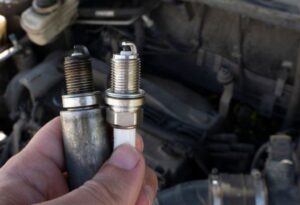
Before we dive into the numbers, let’s quickly understand why these small components are so important. Think of your engine as a controlled series of mini-explosions. For these explosions to happen, you need three things: air, fuel, and a spark. That’s where spark plugs come in.
The Ignition Dance
Each spark plug’s job is to create an electrical spark in your engine’s combustion chamber. This spark ignites the air-fuel mixture, pushing the pistons and ultimately powering your car. It’s a precise, rapid-fire process that happens thousands of times a minute. Over time, the electrodes on the spark plug that create this spark wear down, much like a battery losing its charge, making them less efficient at doing their job.
Signs Your Spark Plugs Might Be Failing
How do you know if your spark plugs are nearing the end of their life? Your car usually gives you clues. You might notice your engine misfiring, leading to a rough idle or hesitation when accelerating. Your fuel economy might drop, meaning you’re visiting the gas station more often. Sometimes, you might even have trouble starting your car, or the “check engine” light illuminates on your dashboard. These are all common indicators that it might be time to consider spark plug replacement.
Understanding the Factors That Influence Spark Plug Replacement Cost
The cost to replace spark plugs isn’t a one-size-fits-all number. Several factors play a significant role in determining your final bill. Understanding these will help you anticipate the expense better.
Your Vehicle’s Make and Model
This is arguably the biggest factor. A four-cylinder economy car, for example, will typically have fewer spark plugs (usually four) and they are often easier to access than, say, a V8 luxury SUV that might have eight or even sixteen spark plugs (some have two per cylinder!) and require extensive disassembly to reach them. More plugs and harder access mean higher labor costs and potentially more expensive parts.
Type of Spark Plugs (Standard vs. Performance)
Spark plugs come in various materials, each affecting their price and lifespan:
- Copper: The most basic and least expensive. They conduct electricity well but wear out faster.
- Platinum: More durable and last longer than copper, offering a good balance of performance and lifespan.
- Iridium: The most durable and best performing. They have a fine wire electrode that delivers a powerful, consistent spark and can last up to 100,000 miles or more. These are also the most expensive.
- Double Platinum/Iridium: Often used in engines with a “wasted spark” ignition system, these plugs have platinum or iridium on both the center and ground electrodes for extended life.
The type of spark plug recommended for your car by the manufacturer will significantly impact the parts cost of spark plug replacement.
Labor Costs: DIY vs. Professional
This is where your personal skills come into play. If you’re handy with a wrench and have some mechanical experience, doing the job yourself can save you a substantial amount on labor. However, if you’re not comfortable or don’t have the right tools, a professional mechanic will charge for their time and expertise, which is a significant part of the overall spark plug replacement cost.
Geographic Location
Just like everything else, the cost of labor varies depending on where you live. Mechanics in major metropolitan areas or regions with a higher cost of living will generally charge more per hour for labor than those in smaller towns or rural areas. This directly impacts the total cost of spark plug replacement if you opt for professional service.
Breaking Down the Costs: Parts and Labor
When you get a quote for spark plug replacement, it generally breaks down into two main components: the cost of the spark plugs themselves and the labor to install them.
Cost of Spark Plugs Themselves
The price for individual spark plugs can range quite a bit:
- Copper Plugs: Typically $2 to $5 per plug.
- Platinum Plugs: Often in the range of $5 to $15 per plug.
- Iridium Plugs: These are the priciest, usually costing $10 to $25 per plug, sometimes more for specialty plugs.
So, for a 4-cylinder engine, you might be looking at $8-$100 for parts, and for a V8 engine, $16-$200 or more, just for the spark plugs. The specific number of spark plugs your car requires (usually one per cylinder, but sometimes two) will directly multiply this base cost.
Professional Labor Costs Explained
Labor is often the larger chunk of the spark plug replacement cost. Mechanics typically charge an hourly rate, and the time it takes depends on accessibility.
- For easily accessible plugs on a 4-cylinder car, labor might be 1 to 2 hours.
- For more complex engines (like V6, V8, or horizontally opposed engines where plugs are harder to reach), labor can stretch to 3 to 6 hours or even more.
With hourly rates for mechanics often ranging from $75 to $150 per hour (and sometimes higher), you can see how labor quickly adds up. For an average job, expect labor to be anywhere from $75 to $900+ depending on the vehicle and region. A typical spark plug replacement cost for labor alone usually falls in the $100 to $400 range for most common vehicles.
Additional Costs to Consider (Ignition Coils, Wires)
Sometimes, when spark plugs are replaced, especially if they’ve been neglected, mechanics might recommend replacing other ignition components.
- Ignition Coils: Each spark plug often has its own ignition coil. If one or more coils are failing, replacing them at the same time as the plugs makes sense. Coils can cost $30 to $100+ each.
- Spark Plug Wires: Older cars with distributor-based ignition systems use spark plug wires. These can degrade over time. A set might cost $20 to $100.
These additional parts can significantly increase the total spark plug replacement cost, but they are often necessary for reliable engine performance.
DIY Spark Plug Replacement: Saving Money, But Is It For You?
Tackling spark plug replacement yourself can save you a good chunk of money on labor. However, it’s not a job for everyone, and it’s important to be honest about your comfort level and mechanical aptitude.
Tools You’ll Need
If you decide to go the DIY route, you’ll need a few specific tools:
- A socket wrench set, specifically a spark plug socket (which has a rubber insert to protect the plug).
- Extensions and possibly universal joints for hard-to-reach plugs.
- A torque wrench to tighten the new plugs correctly.
- Dielectric grease (for spark plug boots) and anti-seize compound (for plug threads, though many modern plugs come pre-coated).
Investing in these tools adds to your initial outlay, but they are reusable for future maintenance.
When to Consider DIY (Pros and Cons)
Pros: Significant savings on labor costs, the satisfaction of doing it yourself, and gaining a better understanding of your vehicle. It’s generally achievable for those with basic mechanical skills and the right tools on cars with easily accessible spark plugs.
Cons: Risk of damaging spark plugs (cross-threading, breaking a plug), damaging ignition coils or wires, or not tightening them correctly, which can lead to engine problems. Some engines have very difficult-to-reach plugs that require specialized knowledge or tools, making it a frustrating or even damaging DIY project.
When to Leave It to the Pros
If your car has a complex engine layout (like a V6 or V8 where intake manifolds need to be removed), if you’re uncomfortable working around engine components, or if you don’t have the proper tools, it’s always best to leave spark plug replacement to certified mechanics. The potential cost of fixing a mistake far outweighs the savings from DIY. For specialized engines, the spark plug replacement cost at a professional shop is a worthwhile investment in peace of mind and proper execution.
Real-World Examples: What You Can Expect to Pay
Let’s look at some estimated costs for spark plug replacement based on different vehicle types. Keep in mind these are averages and can fluctuate based on location, mechanic, and specific parts used.
Economy Car Example (e.g., Honda Civic 4-cylinder)
For a typical 4-cylinder engine where spark plugs are easily accessible, the spark plug replacement cost is usually on the lower end:
- Parts (4 Iridium plugs): $40 – $80
- Labor (1-1.5 hours): $75 – $180
- Total Estimated Cost: $115 – $260
Mid-Range Sedan Example (e.g., Toyota Camry V6)
V6 engines often have 6 spark plugs, and some can be trickier to reach, requiring more labor time:
- Parts (6 Iridium plugs): $60 – $120
- Labor (2-4 hours): $150 – $450
- Total Estimated Cost: $210 – $570
Luxury/Performance Car Example (e.g., BMW 3 Series 6-cylinder or larger V8)
Luxury and performance vehicles often use premium, sometimes proprietary, spark plugs and can have complex engine bays that significantly increase labor time. For an 8-cylinder engine, you’re looking at more plugs and often more difficult access:
- Parts (6-8 Iridium/Specialty plugs): $90 – $200+
- Labor (3-6+ hours): $225 – $900+ (or even more for very complex designs)
- Total Estimated Cost: $315 – $1100+
As you can see, the spark plug replacement cost can range widely, largely driven by the specific vehicle and the associated labor.
Tips to Save on Spark Plug Replacement and Extend Their Life
While spark plug replacement is an inevitable maintenance item, there are ways to manage the cost and make your plugs last longer.
Regular Maintenance is Key
Following your manufacturer’s recommended maintenance schedule is the best way to extend the life of your spark plugs. Most modern iridium spark plugs are rated for 80,000 to 100,000 miles. Don’t push them past their service interval, as worn plugs can cause other engine components to work harder and wear out prematurely, leading to more expensive repairs down the line. Timely spark plug replacement prevents further issues.
Shop Around for Parts and Service
If you’re not doing it yourself, get quotes from a few different reputable mechanics or repair shops. Prices for both parts and labor can vary. Sometimes, buying the spark plugs yourself from a trusted auto parts store and bringing them to the mechanic can save you a bit, as shops often mark up parts. However, always check if your mechanic is okay with you supplying parts beforehand.
Don’t Delay Replacement
Ignoring the signs of failing spark plugs won’t make them miraculously heal. In fact, driving with old, inefficient spark plugs can lead to decreased fuel economy, catalytic converter damage, and other engine problems that will cost you much more in the long run than a simple spark plug replacement. Address the issue promptly to prevent more significant spark plug replacement costs in the future.
Understanding the factors that influence spark plug replacement cost empowers you to make informed decisions about your vehicle’s maintenance. Whether you’re a seasoned DIYer or prefer to leave it to the professionals, knowing what to expect financially can help you budget and keep your car running smoothly for years to come.
Frequently Asked Questions
What is the typical spark plug replacement cost?
The average spark plug replacement cost generally ranges from $100 to $350 for parts and labor. This figure can fluctuate significantly based on your vehicle’s make, model, and the type of spark plugs required.
What factors influence the overall spark plug replacement cost?
Several factors impact the overall spark plug replacement cost, including the specific spark plug type (e.g., standard, platinum, iridium), the number of plugs your engine has, and the labor rates of your mechanic. Vehicle complexity, which affects accessibility to the spark plugs, also plays a significant role.
Can I save money by doing the spark plug replacement myself?
Yes, performing a DIY spark plug replacement can substantially reduce the overall cost by eliminating labor fees. However, it requires basic mechanical knowledge, the correct tools, and careful attention to avoid potential damage to your engine components.
How often do I need to replace my spark plugs, impacting long-term costs?
The frequency of spark plug replacement varies, typically every 30,000 to 100,000 miles, depending on your vehicle’s manufacturer recommendations and the type of plugs. Adhering to this schedule prevents more expensive issues like engine misfires or reduced fuel economy in the long run.
What are the consequences if I don’t address spark plug replacement?
Neglecting spark plug replacement can lead to several costly problems, including decreased fuel efficiency, engine misfires, rough idling, and poor acceleration. In severe cases, it could also cause damage to other expensive components like your catalytic converter.
Does the make and model of my car affect spark plug replacement cost?
Absolutely, the make and model of your car significantly influences the spark plug replacement cost. Luxury vehicles or those with V6/V8 engines often require more spark plugs, specialized parts, and more intricate labor, leading to higher overall expenses compared to a standard 4-cylinder car.