The frequency of spark plug replacement largely hinges on your car’s make, model, and the type of plugs it uses. While older copper plugs typically require changing every 30,000 miles, modern iridium or platinum plugs can often last 60,000 to over 100,000 miles. Always consult your vehicle’s owner’s manual for the precise recommended service interval to maintain optimal engine performance and fuel efficiency.
Hey there, fellow car enthusiast (or even just car owner!),
Do you ever wonder about all the little parts that make your car hum along so smoothly? It’s easy to overlook some of the smaller components until they start causing trouble. One such crucial, yet often forgotten, item is your car’s spark plugs. I remember a time when my old sedan started acting sluggish, sputtering a bit, and drinking gas like it was going out of style. I shrugged it off for a while, thinking it was just an old car being an old car. But then a friend, much more car-savvy than I was, suggested, “Have you checked your spark plugs lately?”
That simple question opened my eyes to the world of routine maintenance that goes far beyond oil changes and tire rotations. Spark plugs are tiny, but they play a massive role in your engine’s performance, fuel efficiency, and overall health. Knowing how often replace spark plugs is one of those essential pieces of information that can save you a lot of headaches and money down the road. Neglecting them is like trying to run a marathon with worn-out shoes – you might get there, but it won’t be pretty, and you’ll definitely feel the strain!
So, let’s dive into everything you need to know about these unsung heroes of your engine. We’ll explore what they do, the different types, the tell-tale signs they’re failing, and, most importantly, provide a clear guide on how often replace spark plugs in your beloved vehicle. Consider this your friendly, no-nonsense guide to keeping your car running like a dream.
Key Takeaways
- Always consult your owner’s manual. It specifies exact replacement intervals.
- Adhere to manufacturer schedules. This ensures optimal engine performance.
- Iridium/platinum plugs last longer. Expect 60,000-100,000 miles.
- Copper plugs wear quicker. Replace every 30,000 miles typically.
- Identify warning signs quickly. Misfires, rough idle, poor MPG need attention.
- Replace all spark plugs simultaneously. This maintains engine balance and efficiency.
- Seek professional inspection if unsure. Prevent further engine damage or issues.
📑 Table of Contents
- What Are Spark Plugs and Why Are They So Important?
- Understanding Spark Plug Types and Their Lifespans
- Common Signs It’s Time to Replace Your Spark Plugs
- General Guidelines: How Often Replace Spark Plugs by Type and Mileage
- Can You Replace Spark Plugs Yourself or Should You Go to a Mechanic?
- Beyond Replacement: Tips for Spark Plug Longevity and Engine Health
What Are Spark Plugs and Why Are They So Important?
Imagine your car’s engine as a finely tuned orchestra. Every part has a role, and if one instrument is out of tune, the whole performance suffers. Spark plugs are like the conductors that kick off the show – they’re responsible for igniting the fuel-air mixture that powers your car.
The Heartbeat of Your Engine
In simple terms, a spark plug creates a small electrical spark within the combustion chamber of your engine. This spark ignites the highly compressed mixture of fuel and air, causing a controlled explosion. This explosion pushes a piston, which in turn rotates the crankshaft, ultimately sending power to your wheels. Each cylinder in your engine has at least one spark plug, firing thousands of times per minute while you drive. Pretty wild, right?
A Little Spark, A Big Impact
If your spark plugs aren’t firing efficiently, that controlled explosion becomes less “controlled” and less “explosive.” This means your engine isn’t getting the full power it needs from each combustion cycle. It’s like trying to start a campfire with a damp match – you might get some smoke, but no roaring blaze. An inefficient spark means wasted fuel, reduced power, and extra strain on other engine components. That’s why understanding how often replace spark plugs is so crucial for engine longevity and performance.
Understanding Spark Plug Types and Their Lifespans
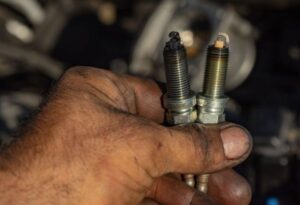
Just like there are different types of tires or engine oils, spark plugs come in various materials, each offering different levels of performance and durability. Knowing your spark plug type will help you figure out how often replace spark plugs in your specific car.
Copper Spark Plugs: The Traditional Choice
These are the old-school workhorses. Copper spark plugs have a solid copper core and a nickel alloy electrode. Copper is an excellent conductor of electricity, making them very efficient at sparking. However, the copper electrode wears down faster under the intense heat of the engine. Generally, copper spark plugs need to be replaced more frequently, typically every 30,000 to 50,000 miles. They’re usually found in older cars or specific performance applications where frequent replacement isn’t an issue.
Platinum Spark Plugs: A Step Up
Platinum spark plugs feature a platinum disc welded to the center electrode, which is much more durable than nickel alloy. This makes them last significantly longer. You’ll often find these as original equipment in many modern vehicles. Their enhanced durability means they can often go 60,000 to 100,000 miles before needing replacement. They offer a good balance of performance and longevity.
Iridium Spark Plugs: The Modern Champion
Iridium is one of the densest and most corrosion-resistant metals, making it perfect for spark plugs. Iridium spark plugs have an even finer electrode tip than platinum, allowing for a more focused and powerful spark. They are incredibly durable and are the longest-lasting type available. Many manufacturers now install iridium plugs from the factory. You can expect iridium spark plugs to last anywhere from 100,000 to 120,000 miles or even more, depending on the specific plug and driving conditions. When asking how often replace spark plugs for maximum interval, iridium is usually the answer.
Common Signs It’s Time to Replace Your Spark Plugs
Your car has a way of telling you when something isn’t quite right. Learning to “listen” to these subtle (or sometimes not-so-subtle) cues can prevent minor issues from becoming major problems. These are the classic signs that it’s time to figure out how often replace spark plugs and get yours changed.
Engine Misfires or Rough Idling
Have you ever felt your car shake or stumble when you’re stopped at a red light? Or perhaps it feels like it’s briefly losing power while driving? This is often a sign of an engine misfire, where one or more cylinders aren’t igniting properly. Worn-out spark plugs are a very common culprit. The engine might sound “choppy” rather than its usual smooth purr.
Difficulty Starting Your Car
If your car cranks for longer than usual before starting, or struggles to turn over, weak spark plugs could be to blame. A strong spark is essential to kick-start the combustion process, especially in colder weather. If the spark isn’t robust, your starter motor has to work harder, and the battery drains faster.
Reduced Fuel Economy
This is one of the most common and frustrating symptoms. If your spark plugs are failing to ignite the fuel-air mixture efficiently, your engine has to work harder to produce the same amount of power. This means it consumes more fuel to travel the same distance. If you’ve noticed yourself filling up the tank more often without changing your driving habits, old spark plugs are a strong candidate for investigation.
Sluggish Acceleration
Does your car feel less peppy than it used to? Does it hesitate or feel “bogged down” when you press the accelerator? Worn spark plugs can lead to a noticeable decrease in power and acceleration. The engine simply isn’t getting the full kick it needs from each combustion cycle.
Check Engine Light Illumination
The dreaded check engine light can come on for a multitude of reasons, but failing spark plugs are definitely one of them. Often, the car’s computer will detect misfires and illuminate the light. While a check engine light always warrants further investigation with a diagnostic tool, old spark plugs are a common and relatively easy fix for this warning.
General Guidelines: How Often Replace Spark Plugs by Type and Mileage
While the signs above are great indicators, prevention is always better than cure. The best way to know how often replace spark plugs is to follow manufacturer recommendations, but general mileage intervals for each spark plug type are a good starting point.
Manufacturer Recommendations: Your Best Starting Point
The absolute best place to find out how often replace spark plugs for your specific vehicle is your car’s owner’s manual. Manufacturers spend countless hours testing and designing engines, and they provide detailed maintenance schedules for a reason. These schedules take into account the specific spark plug type installed at the factory and the engine’s design.
The Impact of Driving Habits
Keep in mind that factors like your driving style can influence spark plug lifespan. Frequent short trips, stop-and-go city driving, or aggressive driving can cause spark plugs to wear out a bit faster. Conversely, mostly highway driving might allow them to last closer to the upper end of their estimated lifespan.
Here’s a general guide for how often replace spark plugs based on their material type:
| Spark Plug Type | Typical Replacement Interval (Mileage) | Notes |
|---|---|---|
| Copper | 30,000 – 50,000 miles | Best for older cars, high-performance applications, or where frequent replacement is okay. |
| Platinum | 60,000 – 100,000 miles | Good balance of performance and longevity; common in many modern cars. |
| Iridium | 100,000 – 120,000+ miles | Longest-lasting and highest performance; standard in most new vehicles. |
Remember, these are averages. Always consult your owner’s manual first! It will tell you precisely how often replace spark plugs in your model.
Can You Replace Spark Plugs Yourself or Should You Go to a Mechanic?
Once you know when to replace them, the next question is often, “Can I do it myself?” The answer depends on your comfort level, the specific car, and your toolkit.
DIY Spark Plug Replacement: What to Consider
Replacing spark plugs can be a satisfying DIY project for some, especially on older cars with easily accessible engines. You’ll typically need a spark plug socket, a ratchet, an extension, a torque wrench, and the new spark plugs, of course. The process usually involves removing the ignition coils (or spark plug wires), unscrewing the old plugs, and screwing in the new ones, making sure to gap them correctly if necessary (though most modern plugs come pre-gapped). If you’re mechanically inclined and your engine isn’t too complicated, you can definitely save money by doing it yourself.
When to Call a Professional
However, there are times when calling a professional mechanic is the smarter choice. Some modern engines, especially V6 or V8 engines, have spark plugs that are incredibly difficult to reach, sometimes requiring the removal of other engine components. Also, mistakes like overtightening or cross-threading a spark plug can lead to costly engine damage. If you’re unsure, lack the proper tools, or if your spark plugs are hard to reach, it’s always best to entrust this job to a certified mechanic. They have the expertise and specialized tools to ensure the job is done correctly and safely.
Beyond Replacement: Tips for Spark Plug Longevity and Engine Health
Knowing how often replace spark plugs is key, but a few other habits can help extend their life and keep your engine happy.
Choose Quality Replacements
When it comes time to replace your spark plugs, don’t skimp on quality. Use the type recommended by your car’s manufacturer – whether that’s copper, platinum, or iridium. Generic or cheaper plugs might save you a few dollars upfront, but they could lead to reduced performance and premature failure, meaning you’ll be asking how often replace spark plugs again much sooner.
Regular Engine Maintenance Matters
Your spark plugs don’t operate in a vacuum. A well-maintained engine, with regular oil changes, clean air filters, and properly functioning fuel injectors, will contribute to healthier spark plugs. Dirty air filters can lead to richer fuel mixtures, which can cause carbon buildup on your spark plugs. Always keep up with your car’s overall maintenance schedule.
Drive Smart
While you can’t completely control wear and tear, smoother driving habits can help. Avoiding excessive idling, sudden accelerations, and frequent short trips where the engine doesn’t fully warm up can contribute to better spark plug longevity. A happy engine is often a result of a considerate driver.
So there you have it! From understanding their vital role to decoding the different types and knowing the warning signs, you’re now equipped with the knowledge to maintain your car’s spark plugs like a pro. Remember, staying on top of your vehicle’s maintenance, including knowing how often replace spark plugs, is one of the best ways to ensure it remains reliable, efficient, and a joy to drive for years to come. Don’t let these little sparks turn into big problems!
Frequently Asked Questions
How often should I replace my spark plugs?
The recommended replacement interval for spark plugs typically ranges from every 30,000 to 100,000 miles, depending on your vehicle’s manufacturer and the type of spark plug installed. Always consult your car’s owner’s manual for the precise schedule tailored to your specific make and model.
What are the signs that my spark plugs need replacing?
Common indicators include a rough idling engine, difficulty starting your car, decreased fuel efficiency, and a noticeable loss of engine power or acceleration. You might also experience engine misfires or your “Check Engine” light illuminating.
What happens if I don’t replace my spark plugs on time?
Neglecting timely spark plug replacement can lead to several problems, such as reduced fuel economy, engine misfires, decreased engine performance, and even potential damage to other ignition components or your catalytic converter. It’s crucial for your car’s overall health and efficiency to adhere to the recommended maintenance schedule.
Does my car model or driving style affect how often I need to replace spark plugs?
Yes, both factors can influence the lifespan of your spark plugs. High-performance engines or those under heavy load (like frequent towing) might require more frequent replacement, and aggressive driving styles can also contribute to quicker wear.
Are all spark plugs replaced at the same interval?
No, not all spark plugs have the same replacement interval. Traditional copper spark plugs generally last around 30,000 miles, while iridium or platinum spark plugs, due to their superior durability, can last significantly longer, often up to 100,000 miles or more.
Can I replace spark plugs myself, and how much does it typically cost?
Replacing spark plugs can be a DIY task for some mechanically inclined individuals, but it requires specific tools and knowledge to avoid damaging the engine. If done professionally, the cost can vary widely depending on your vehicle’s make and model, the type of spark plugs, and labor rates in your area, generally ranging from $100 to $300 or more per job.