Achieving the correct spark plug torque is crucial for optimal engine performance and longevity. Both under-tightening and over-tightening pose significant risks: too loose causes misfires and heat damage, while too tight can strip threads or crack the cylinder head. Always consult your manufacturer’s specifications and utilize a torque wrench to ensure precise installation and avoid costly engine repairs.
Hey there, fellow car enthusiast! Have you ever wondered about the nitty-gritty details of maintaining your ride? We often focus on the big stuff like oil changes or tire rotations, but sometimes it’s the seemingly small things that make the biggest difference. Today, we’re diving deep into a topic that many DIY mechanics (and even some pros!) might overlook: how tight should spark plugs be when you install them?
It might sound like a trivial question, right? Just twist them in until they’re snug, and you’re good to go. But trust me, getting the spark plug tightness just right is more critical than you think. It’s not just about keeping them from falling out; it affects everything from your engine’s performance and fuel efficiency to its long-term health. Too loose, and you’re asking for trouble. Too tight, and you could be facing a very expensive repair bill.
So, if you’ve ever found yourself scratching your head, trying to figure out the perfect amount of force, you’re in the right place. We’re going to explore why achieving the correct spark plug tightness is so vital, what can go wrong if you don’t, and most importantly, show you exactly how tight spark plugs should be for a worry-free ride. Let’s get started!
Key Takeaways
- Always use a torque wrench: Ensures precise, manufacturer-specified tightness.
- Never overtighten spark plugs: Prevents engine head damage and stripping threads.
- Avoid undertightening issues: Prevents misfires, overheating, and plug ejection.
- Consult your engine manual: Find specific torque specifications for your vehicle.
- Distinguish plug seat types: Tapered seats and gasket plugs have different torque needs.
- Hand-thread plugs initially: Prevents cross-threading before final torque application.
- Ensure proper plug seating: Critical for effective heat transfer and performance.
📑 Table of Contents
- Why Spark Plug Tightness Matters More Than You Think
- The Perils of Overtightening: A Costly Mistake
- The Dangers of Undertightening: Not Just a Loose End
- Finding the “Goldilocks Zone”: Torque Specifications are Your Best Friend
- Best Practices for a Flawless Spark Plug Installation
- Conclusion: The Right Tightness for a Smooth Ride
Why Spark Plug Tightness Matters More Than You Think
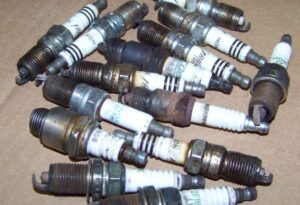
Spark plugs are tiny powerhouses in your engine. They ignite the air-fuel mixture, creating the combustion that powers your vehicle. But their job isn’t just about sparking; they also play a crucial role in heat dissipation. Think of them as tiny heat sinks, drawing heat away from the combustion chamber and transferring it to the cylinder head.
The Critical Role of Heat Transfer
For your engine to run efficiently and avoid damage, spark plugs need to operate within a specific temperature range. If a spark plug is too loose, it won’t have proper contact with the cylinder head. This poor metal-to-metal contact means heat can’t transfer effectively. What happens then? The spark plug overheats, leading to issues like pre-ignition, detonation, and ultimately, engine damage. It’s like trying to cool a hot pan by just barely touching it to a cold surface – it just won’t work well.
Ensuring a Proper Seal and Preventing Compression Loss
Another key reason why the question of how tight should spark plugs be is so important is sealing. When installed correctly, the spark plug forms a gas-tight seal with the cylinder head. This seal prevents combustion gases from escaping, ensuring that your engine maintains optimal compression. If the plug is too loose, this seal is compromised. You’ll lose compression, which means reduced power, poor fuel economy, and a generally unhappy engine. It’s a foundational step that impacts your engine’s overall performance.
The Perils of Overtightening: A Costly Mistake
It’s natural to think that “tighter is better,” especially when dealing with engine components. You want to make sure nothing comes loose, right? However, when it comes to spark plugs, overtightening is a common and often very expensive mistake. It’s a prime example of where too much force can cause serious harm. Let’s look at why you absolutely must know how tight should spark plugs be to avoid this.
Stripped Threads on the Spark Plug or Cylinder Head
This is probably the most common and dreaded consequence of overtightening. Both spark plugs and cylinder heads have threads that allow the plug to screw in securely. If you apply too much torque, you can easily strip these delicate threads. Cylinder heads, especially those made of aluminum (which is common in modern engines), are particularly vulnerable. Stripping threads on a spark plug is annoying; stripping them on the cylinder head can mean a costly repair that involves removing the cylinder head, re-tapping the threads, or even replacing the entire head. Trust me, you don’t want that bill.
Cracked Insulators and Electrode Damage
Spark plugs are designed with a ceramic insulator that protects the central electrode. This ceramic is strong, but it’s also brittle. Excessive force during installation can crack the insulator, even if you don’t strip the threads. A cracked insulator can lead to misfires, poor performance, and eventually, a dead spark plug. Furthermore, overtightening can deform the spark plug’s metal shell, affecting the gap between the electrodes and potentially damaging the internal components, impacting its ability to spark effectively.
Difficulty in Future Removal
If you manage to overtighten a spark plug without immediately damaging it, you might face another problem down the road: removing it. Plugs that are too tight can seize in the cylinder head, especially after countless heat cycles. The next time you go to change them, you might find yourself struggling with a stuck plug, potentially breaking it off in the head, or again, stripping those precious threads during removal. This is a common tale among those who don’t pay attention to how tight spark plugs should be during installation.
The Dangers of Undertightening: Not Just a Loose End
While overtightening gets a lot of attention for its destructive potential, undertightening spark plugs also poses significant risks. It’s not just a minor annoyance; a loose spark plug can lead to severe engine problems and even safety hazards. Understanding how tight should spark plugs be is a balance, and erring on the side of too loose is just as bad as too tight.
Poor Heat Transfer and Engine Damage
As we discussed, proper heat transfer is crucial. An undertightened spark plug won’t make full contact with the cylinder head. This lack of proper thermal coupling means the spark plug cannot efficiently transfer heat away from its tip. The plug can overheat, leading to glowing hot spots inside the combustion chamber. This can cause pre-ignition (fuel igniting before the spark) or detonation (uncontrolled combustion), both of which can rapidly destroy engine components like pistons and valves. It’s a silent killer that starts with a simple loose connection.
Engine Misfires and Reduced Performance
A loose spark plug will often lead to a compromised seal, allowing combustion gases to escape. This reduction in cylinder compression directly translates to misfires. Your engine will run rough, you might notice a loss of power, and your fuel economy will plummet. The check engine light will likely illuminate, signaling a problem. These are all signs that your engine isn’t getting the consistent, powerful combustion it needs, often stemming from not knowing how tight should spark plugs be.
Spark Plug Ejection: A Dangerous Scenario
This is arguably the most dramatic and dangerous consequence of undertightening. If a spark plug is sufficiently loose, the intense pressure of combustion can actually blow it out of the cylinder head! Imagine a small projectile launching from your engine bay at high speed. This can cause significant damage to other engine components, create a loud bang, and potentially start a fire if it contacts hot exhaust manifolds or fuel lines. It’s a rare but terrifying event that highlights the importance of correct spark plug tightness.
Finding the “Goldilocks Zone”: Torque Specifications are Your Best Friend
So, if overtightening and undertightening are both bad, how do we find that “just right” tightness? The answer lies in using the manufacturer’s specified torque settings. This isn’t guesswork; it’s engineering, developed to ensure optimal performance and longevity for your engine. This is why understanding how tight should spark plugs be always comes back to torque specifications.
Where to Find Your Engine’s Specific Torque Specs
Always consult your vehicle’s owner’s manual or a reliable service manual. These resources will provide the exact torque specifications for your specific engine and spark plug type. If you’re replacing spark plugs with an aftermarket brand, check the spark plug manufacturer’s website or the instructions included with the plugs. They often provide their recommended torque settings, which can sometimes differ slightly based on the plug’s design and materials.
The Indispensable Torque Wrench
To accurately apply the specified torque, you absolutely need a torque wrench. There’s no way around it. “Feel” or “wrist tight” is simply not precise enough. A torque wrench allows you to tighten fasteners to a precise rotational force, measured in foot-pounds (ft-lb) or Newton-meters (Nm).
- Click-type torque wrenches: These are very common. You set the desired torque, and the wrench “clicks” once that force is reached.
- Beam-type torque wrenches: These have a needle that points to the applied torque on a scale as you tighten.
- Digital torque wrenches: Offer precise readings and often an audible beep when the target torque is reached.
Invest in a good quality torque wrench. It’s an essential tool for any serious DIYer, especially when you need to know exactly how tight spark plugs should be.
General Spark Plug Torque Guidelines
While always consult your manual, here’s a general guide for how tight spark plugs should be based on thread size and seat type. Note that using anti-seize compound typically requires reducing the specified torque by about 10-20% (more on that below).
| Spark Plug Thread Size | Gasket Seat (ft-lb / Nm) | Taper Seat (ft-lb / Nm) |
|---|---|---|
| 10mm | 9-11 ft-lb / 12-15 Nm | 7-9 ft-lb / 9-12 Nm |
| 12mm | 11-15 ft-lb / 15-20 Nm | 11-13 ft-lb / 15-18 Nm |
| 14mm | 18-22 ft-lb / 24-30 Nm | 15-18 ft-lb / 20-24 Nm |
| 18mm | 22-29 ft-lb / 30-39 Nm | 18-22 ft-lb / 24-30 Nm |
Note: These are general guidelines for plugs in aluminum cylinder heads. Always refer to your specific vehicle’s service manual or spark plug manufacturer for precise specifications. If your engine has cast iron heads, the torque values might be slightly higher.
Best Practices for a Flawless Spark Plug Installation
Knowing how tight should spark plugs be is only part of the equation. A perfect installation involves a few other critical steps to ensure longevity and prevent problems down the line. Follow these tips for a smooth and successful spark plug change.
Cleanliness is Next to Engine Godliness
Before installing new plugs, always clean the spark plug wells. Use compressed air to blow out any dirt, debris, or oil that might have accumulated. This prevents contaminants from falling into the combustion chamber when you remove the old plugs or install the new ones. Clean threads also ensure an accurate torque reading and a proper seal.
The Anti-Seize Debate
Using a small amount of anti-seize lubricant on the spark plug threads is a common practice, especially with spark plugs in aluminum heads. It helps prevent the plugs from seizing in the head over time, making future removal much easier. However, there’s a crucial caveat: anti-seize acts as a lubricant, reducing friction. If you use anti-seize, you must reduce the manufacturer’s specified torque by 10-20% (the exact percentage varies, so err on the side of caution or consult the anti-seize manufacturer). Failing to do so can lead to overtightening, even with a torque wrench, because the lubricant allows the plug to turn further for the same applied force. Always check the spark plug manufacturer’s recommendation; some modern plugs come with a special coating and do not require anti-seize.
Hand-Start the Plugs, Every Time
This is perhaps one of the most important tips. Always thread the new spark plug in by hand first. Use just your fingers on the extension, without a ratchet. This allows you to feel if the threads are lining up correctly. If you feel any resistance or cross-threading, stop immediately, back it out, and try again. Forcing it in with a wrench is a surefire way to strip threads. Hand-starting ensures the threads engage smoothly before any torque is applied.
The Torque Wrench Final Touch
Once the plug is hand-tight, then bring out your torque wrench. Set it to the specified torque (adjusted for anti-seize, if used) and tighten the plug slowly and smoothly until the wrench clicks (or the needle reaches the mark). Do not over-torque past the click. This precise application is the answer to how tight spark plugs should be for your specific vehicle.
What If I Don’t Have a Torque Wrench? (The “Turn-of-the-Nut” Method)
While a torque wrench is highly recommended, if you absolutely don’t have one and are in a pinch, there’s a less precise but widely used “turn-of-the-nut” method. This involves hand-tightening the plug and then turning it a specified amount further. The amount of turn depends on whether the plug has a gasket or a tapered seat, and if it’s new or reused:
- New plugs with gaskets: Hand-tighten, then turn 1/2 to 2/3 of a turn.
- New plugs with tapered seats: Hand-tighten, then turn 1/16 of a turn.
- Used plugs with gaskets: Hand-tighten, then turn 1/12 of a turn.
- Used plugs with tapered seats: Hand-tighten, then turn 1/16 of a turn.
Use this method with extreme caution. It relies heavily on “feel” and can easily lead to overtightening if you’re not careful. Always prioritize getting a torque wrench.
Conclusion: The Right Tightness for a Smooth Ride
So, there you have it! The question of how tight should spark plugs be is far from trivial. It’s a critical aspect of engine maintenance that directly impacts performance, efficiency, and the longevity of your engine. From preventing catastrophic damage due to overtightening to avoiding misfires and dangerous plug ejections from undertightening, getting the torque right is paramount.
Remember, your owner’s manual and a trusty torque wrench are your best friends here. Don’t guess, don’t muscle it, and don’t take shortcuts. By paying attention to the details of proper spark plug tightness and following best practices, you’re not just changing a part; you’re ensuring your engine runs smoothly, reliably, and efficiently for miles to come. Happy wrenching!
Frequently Asked Questions
How tight should spark plugs be for optimal engine performance?
Spark plugs need to be tightened to a precise torque value specified by your vehicle’s manufacturer. This ensures a proper seal for efficient heat transfer from the plug to the cylinder head, which is crucial for preventing overheating and ensuring consistent engine performance.
What are the risks of over-tightening spark plugs?
Over-tightening can cause significant damage, such as stripping the threads in the cylinder head, cracking the spark plug’s ceramic insulator, or deforming its internal components. This can lead to costly repairs, misfires, and poor engine operation.
What happens if spark plugs are not tight enough?
If spark plugs are too loose, they can vibrate out, causing misfires and allowing combustion gases to leak, which reduces engine compression. An improperly seated plug also hinders heat transfer, potentially leading to the plug overheating and pre-ignition issues.
Where can I find the correct torque specification for how tight spark plugs should be?
The most accurate torque specifications are always found in your vehicle’s owner’s manual or a reputable service manual specific to your car’s make and model. Always refer to these official resources for the precise tightness recommended for your engine.
Do I need a torque wrench to ensure how tight spark plugs should be for my engine?
Yes, using a torque wrench is highly recommended to achieve the precise specification for how tight spark plugs should be. This tool helps prevent both under and over-tightening, ensuring proper installation, optimal engine health, and preventing potential damage.
What is the recommended method for tightening spark plugs if a torque wrench isn’t available?
If a torque wrench isn’t available, you can use the “turn” method: hand-tighten the plug until it’s snug. For plugs with a new gasket, turn an additional 1/2 to 2/3 turn; for taper seat plugs, turn an extra 1/16 turn. However, always prioritize using the manufacturer’s specified torque value whenever possible for the most accurate installation.