For your Honda Accord, the optimal time to change spark plugs is typically around 100,000 to 105,000 miles, as recommended by the manufacturer. However, don’t overlook warning signs like rough idling, engine misfires, or diminished fuel efficiency, which indicate an earlier replacement may be crucial. Always consult your specific Accord model’s owner’s manual for the precise maintenance schedule to ensure peak performance and longevity.
Hey there, fellow Honda Accord owner! You know that feeling when your trusty Accord just hums along, getting you where you need to go without a fuss? It’s one of the best things about owning such a reliable car. But even the most dependable vehicles need a little love and attention to keep performing at their best. And when it comes to smooth starts, great fuel economy, and strong acceleration, there’s one small but mighty component that plays a huge role: your spark plugs.
Often overlooked until there’s a problem, spark plugs are like the tiny electricians of your engine, providing the crucial spark that ignites the air-fuel mixture. Think of them as the silent heroes working tirelessly under the hood. Knowing when to change spark plugs Honda Accord isn’t just about sticking to a schedule; it’s about understanding your car, listening to its subtle cues, and ensuring its longevity and efficiency. It’s a key piece of maintenance that can save you headaches and money down the road.
So, whether you’re a seasoned DIY mechanic or someone who usually leaves it all to the pros, this guide is for you. We’re going to dive deep into everything you need to know about your Accord’s spark plugs, helping you determine the best time for replacement and keeping your ride running as smoothly as the day you first drove it home.
Key Takeaways
- Follow Honda’s Schedule: Consult your Accord’s owner’s manual for precise intervals.
- Iridium Plugs Last: Expect 100,000+ miles from OEM iridium spark plugs.
- Watch for Symptoms: Misfires, poor MPG, or slow starts signal replacement.
- Choose OEM Quality: Stick to NGK or Denso iridium plugs for best performance.
- Preventative is Key: Don’t wait for engine issues; change plugs proactively.
- Inspect Coils Annually: Check ignition coils for wear during spark plug service.
📑 Table of Contents
- Why Spark Plugs Matter So Much for Your Accord
- Honda’s Recommendations: The Official Word
- Telltale Signs: When Your Accord is Crying for New Plugs
- Beyond Mileage: Factors Influencing Spark Plug Life
- The DIY vs. Professional Dilemma: What’s Right for You?
- Typical Honda Accord Spark Plug Change Intervals
- Practical Tips for a Smooth Spark Plug Change
- Conclusion
Why Spark Plugs Matter So Much for Your Accord
Before we talk about when to change spark plugs Honda Accord, let’s quickly touch on why they’re so vital. They might be small, but their job is absolutely critical to your engine’s operation.
The Heartbeat of Your Engine
In essence, spark plugs are what kickstart the combustion process in your engine’s cylinders. Each plug delivers an electrical spark that ignites the precisely timed mixture of air and fuel, creating a controlled explosion. This explosion pushes the pistons, which in turn powers your car’s crankshaft, and ultimately, your wheels. If a spark plug isn’t firing correctly, that cylinder isn’t contributing its full power, and your engine’s heartbeat becomes irregular.
Impact on Performance and Efficiency
Healthy spark plugs mean a healthy engine. When they’re in good shape, your Accord benefits from a strong, consistent spark, leading to optimal combustion. This translates directly into excellent fuel efficiency, responsive acceleration, and a smooth, stable idle. On the flip side, worn-out or fouled spark plugs can lead to a whole host of problems, impacting everything from your gas mileage to how quickly your car responds when you hit the accelerator.
Honda’s Recommendations: The Official Word
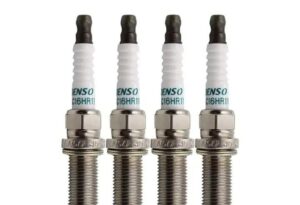
Your Honda Accord is designed with specific maintenance intervals in mind, and spark plug replacement is certainly one of them. Following these guidelines is often the best first step in deciding when to change spark plugs Honda Accord.
Checking Your Owner’s Manual (Year by Year Variations)
The absolute best source of information for your specific vehicle is always your owner’s manual. Honda designs its engines and specifies maintenance based on rigorous testing. Different Accord generations and engine types (e.g., 4-cylinder vs. V6, naturally aspirated vs. turbocharged) will have slightly different recommendations. For instance, an older 4-cylinder might have a different interval than a newer V6 or turbocharged model. Always give that manual a quick read!
General Guidelines and Modern Spark Plugs
Generally speaking, modern Honda Accords, especially those equipped with long-life iridium spark plugs, often have replacement intervals stretching from 100,000 to 120,000 miles. Older models or those with standard copper spark plugs might recommend changes closer to every 30,000 to 60,000 miles. The significant jump in interval is largely due to advancements in spark plug technology.
The Difference Between Standard and Iridium Plugs
This is a crucial distinction. Traditional copper spark plugs wear down relatively quickly due to the soft nature of copper and the high electrical discharge. Iridium spark plugs, on the other hand, use an extremely hard and durable iridium alloy for the center electrode. This material is incredibly resistant to erosion and high temperatures, allowing for a much finer electrode tip and, consequently, a longer lifespan and more consistent spark over time. Most modern Accords come with iridium plugs from the factory, which is why their replacement schedule is so extended. Knowing which type your Accord has is key to understanding when to change spark plugs Honda Accord.
Telltale Signs: When Your Accord is Crying for New Plugs
Even if you’re keeping track of your mileage, sometimes your Accord will give you subtle (or not-so-subtle) hints that it’s time for a spark plug refresh. Learning to recognize these symptoms can help you decide when to change spark plugs Honda Accord proactively.
Engine Misfires or Rough Idling
This is one of the most common and noticeable signs. If your engine feels like it’s shaking or stuttering, especially when idling at a stoplight, it could be a sign of a misfiring cylinder caused by a faulty spark plug. It feels almost like your engine is stumbling.
Decreased Fuel Economy
Have you noticed yourself filling up at the pump more often than usual? Worn spark plugs can lead to incomplete combustion, meaning your engine has to work harder and use more fuel to produce the same power. This is a clear indicator that your efficiency is dropping.
Slow Acceleration or Loss of Power
If your Accord feels sluggish when you hit the gas, or struggles to accelerate up hills, failing spark plugs could be robbing your engine of its power. You might feel like the car isn’t responding as crisply as it used to.
Difficulty Starting
While many things can cause hard starting, weak or fouled spark plugs can certainly be a culprit. If your car takes several cranks to turn over, or just hesitates, it might not be getting a strong enough spark to ignite the fuel quickly.
Check Engine Light Illumination
The dreaded check engine light! If it comes on, and especially if it’s flashing, it often indicates a serious misfire. While a scanner will be needed to get the exact diagnostic code, spark plug issues are a common cause for this warning.
Beyond Mileage: Factors Influencing Spark Plug Life
While manufacturer recommendations are a great starting point, they are averages. Several real-world factors can influence the actual lifespan of your Accord’s spark plugs, dictating when to change spark plugs Honda Accord, even before the mileage interval is met.
Driving Habits (Stop-and-Go vs. Highway)
Do you spend most of your time crawling in city traffic or cruising on the highway? Frequent short trips, stop-and-go driving, and repeated cold starts put more stress on spark plugs and can lead to carbon buildup. Highway driving, with its consistent engine speeds, is generally easier on them.
Fuel Quality
The type and quality of fuel you use can also play a role. Lower quality fuel can sometimes lead to more deposits accumulating on the spark plug electrodes, impacting their performance over time. Sticking to recommended octane and reputable fuel stations is always a good idea.
Engine Condition and Other Maintenance
An engine that is burning oil, has a rich fuel mixture, or has other underlying issues can foul spark plugs prematurely. For example, a leaky valve cover gasket might allow oil to seep into the spark plug wells. Keeping up with your Accord’s general maintenance, like oil changes and air filter replacements, helps ensure the spark plugs operate in optimal conditions.
Climate and Environment
Extreme temperatures, high humidity, or dusty environments can also contribute to faster wear or carbon buildup on spark plugs. While modern plugs are robust, severe conditions can still shorten their lifespan slightly.
The DIY vs. Professional Dilemma: What’s Right for You?
Once you’ve decided when to change spark plugs Honda Accord, the next question is: can you do it yourself, or should you take it to a professional? This depends on your comfort level and the specific Accord model you own.
Assessing Your Skill Level and Tools
Changing spark plugs on many Honda Accord models, especially the 4-cylinder engines, can be a relatively straightforward DIY job if you have some mechanical aptitude and the right tools (a spark plug socket, ratchet, torque wrench, and maybe an extension). However, V6 engines, particularly older ones, can be more challenging due to limited access to the rear bank of cylinders. If you’re not comfortable or lack the proper tools, it’s always better to err on the side of caution.
The Benefits of a Professional
A professional mechanic has specialized tools, extensive experience, and can often spot other potential issues while working on your engine. They know the correct torque specifications, can handle seized plugs without damaging the cylinder head, and will ensure the right type of spark plugs are installed. Plus, they offer a warranty on their work. If you’re unsure, or if your Accord is a V6, a professional service is often worth the investment.
What to Expect from the Job
Whether you DIY or go pro, a spark plug change involves removing the ignition coils, unthreading the old plugs, installing new ones, and ensuring they are torqued to the manufacturer’s specifications. It’s a precise job that, when done correctly, will noticeably improve your Accord’s performance.
Typical Honda Accord Spark Plug Change Intervals
To help you quickly reference common intervals for when to change spark plugs Honda Accord, here’s a general guide. Remember, your owner’s manual is the definitive source for your specific vehicle!
| Honda Accord Generation/Engine Type | Typical Spark Plug Type | Approximate Change Interval (Miles) |
|---|---|---|
| Older Models (e.g., pre-2003, some 4-cyl) | Copper/Platinum | 30,000 – 60,000 |
| Mid-Generation (e.g., 2003-2012 4-cyl) | Iridium | 100,000 – 105,000 |
| Mid-Generation (e.g., 2003-2012 V6) | Iridium | 100,000 – 105,000 |
| Newer Models (e.g., 2013-Present 4-cyl/V6/Turbo) | Iridium | 100,000 – 120,000 |
*Note: These are general guidelines. Always consult your specific Honda Accord owner’s manual for precise recommendations.
Practical Tips for a Smooth Spark Plug Change
If you’ve decided to tackle this important maintenance task yourself, here are a few practical tips to make sure it goes smoothly when you’re ready to change spark plugs on your Honda Accord.
Choosing the Right Plugs for Your Accord
This is absolutely critical. Always use the specific spark plug type and heat range recommended by Honda for your Accord’s engine. Often, this means sticking with the OEM (Original Equipment Manufacturer) brand or a high-quality equivalent (like NGK or Denso, which are often OEM suppliers for Honda). Using the wrong plugs can lead to poor performance, misfires, or even engine damage. The best practice is to cross-reference the part number from your owner’s manual or a reputable parts catalog.
Essential Tools and Safety First
Make sure you have all the necessary tools before you start. This includes a spark plug socket (usually 16mm or 5/8 inch), a ratchet, extensions, and most importantly, a torque wrench. Safety first! Ensure your engine is cool before starting, disconnect the negative terminal of your battery, and wear appropriate personal protective equipment.
Torque Specifications and Anti-Seize
Spark plugs should be tightened to the manufacturer’s specified torque. Overtightening can damage the cylinder head threads or the spark plug itself, while undertightening can lead to plugs vibrating loose and causing damage or poor performance. Most modern iridium plugs come with a special coating and do NOT require anti-seize. In fact, applying anti-seize to plugs not designed for it can lead to over-torquing and damage. Check the spark plug manufacturer’s instructions!
Conclusion
Hopefully, by now, you have a much clearer picture of when to change spark plugs Honda Accord. It’s not just about hitting a certain mileage number, but also about understanding what these tiny components do, recognizing the signs of wear, and considering the unique factors that affect your car’s lifespan. Whether you opt for a DIY approach or trust a professional, making sure your spark plugs are in top condition is one of the best ways to keep your beloved Accord running efficiently, reliably, and powerfully for many miles to come.
Taking care of these small details goes a long way in ensuring your Honda Accord continues to be the dependable, smooth-running vehicle you love. Happy driving!
Frequently Asked Questions
How often should I change the spark plugs in my Honda Accord?
For most modern Honda Accords (2000s onwards), the recommended interval for spark plug replacement is typically every 105,000 miles. However, older models might require changes closer to 30,000-60,000 miles. Always check your specific owner’s manual for the most accurate service schedule for your Honda Accord.
What are the common signs that my Honda Accord spark plugs need changing?
Several symptoms indicate worn spark plugs in your Honda Accord, including engine misfires, a rough idle, or noticeable hesitation during acceleration. You might also experience decreased fuel economy and a general loss of engine power.
Does the model year affect the spark plug replacement interval for a Honda Accord?
Yes, the model year significantly affects the spark plug interval for a Honda Accord. Newer generations often use long-life iridium spark plugs, extending the replacement interval to over 100,000 miles. Older models typically used platinum or copper plugs, requiring more frequent changes.
Can I replace the spark plugs on my Honda Accord myself, or should I go to a professional?
Replacing spark plugs on a Honda Accord can be a DIY project for those with some mechanical experience and the right tools. However, some Accord engines, particularly V6 models, have spark plugs that are harder to access, making professional installation a safer bet to avoid potential damage.
What type of spark plugs are recommended for a Honda Accord to ensure optimal performance?
For optimal performance and longevity in your Honda Accord, it’s best to use OEM (Original Equipment Manufacturer) spark plugs or equivalent high-quality iridium or platinum spark plugs. These are designed to meet the exact specifications of your engine and provide reliable ignition.
What are the risks of not changing the spark plugs in my Honda Accord on time?
Neglecting to change the spark plugs in your Honda Accord can lead to various issues, including reduced fuel efficiency, engine misfires, and a lack of power. In severe cases, it can cause damage to other engine components, such as the catalytic converter, leading to more expensive repairs.