Spark plugs generally last anywhere from 30,000 to 100,000 miles, with exact longevity heavily influenced by the plug material and your vehicle’s make and model. Proactive replacement is key to ensuring peak engine performance, fuel efficiency, and preventing more significant issues down the road. Don’t wait for problems; maintain your spark plugs for optimal vehicle health!
Hey there, fellow car enthusiasts and everyday drivers! Have you ever wondered about those little unsung heroes under your hood? I’m talking about spark plugs. They’re tiny, but oh-so-mighty, playing a crucial role in getting your engine to roar to life and keep you cruising smoothly down the road. It’s easy to forget about them until something feels a little off with your ride.
I remember a time when my car felt sluggish, the gas mileage took a nosedive, and starting it up was like coaxing a sleepy toddler out of bed. Turns out, the culprit was my old, worn-out spark plugs. It made me realize just how important it is to understand these components and, more specifically, how long does spark plugs last. Knowing this can save you from inconvenient breakdowns, costly repairs, and that frustrating feeling of an underperforming vehicle.
So, let’s dive deep into the world of spark plugs. We’ll explore what they do, the different types, what makes them wear out, and most importantly, give you a clear picture of their typical lifespan. By the end of this, you’ll be much more confident about when it’s time to give your spark plugs a little TLC, ensuring your car performs at its absolute best.
Key Takeaways
- Consult your manual: Always follow manufacturer-recommended spark plug replacement intervals.
- Material dictates life: Platinum/Iridium plugs last significantly longer than copper ones.
- Watch for symptoms: Misfires, poor fuel economy, and rough idle signal wear.
- Consider earlier replacement: Proactive replacement can maintain peak engine performance.
- Regularly inspect plugs: Check condition during routine maintenance for issues.
- Don’t ignore wear: Worn plugs degrade engine efficiency and increase emissions.
📑 Table of Contents
What Are Spark Plugs and Why Are They So Important?
Imagine your car’s engine as a finely tuned orchestra. Every part has a role, but the spark plugs? They’re like the conductor signaling the exact moment for the music to begin. In simpler terms, spark plugs ignite the air-fuel mixture in your engine’s cylinders, creating the tiny explosion that powers your car forward. Without that spark, there’s no combustion, and without combustion, your car just sits there.
The Heartbeat of Your Engine
Each cylinder in your engine has at least one spark plug. When you turn the key, these plugs create a precise electrical spark. This spark ignites the highly compressed blend of fuel and air, pushing the piston down and starting the entire process that keeps your wheels turning. It’s a continuous, rapid-fire process happening hundreds, even thousands, of times a minute!
Why Lifespan Matters So Much
Because spark plugs are constantly creating these tiny explosions in a super-hot environment, they naturally wear out over time. An old, worn spark plug can’t deliver that strong, consistent spark your engine needs. This leads to all sorts of issues, from poor fuel economy and reduced power to rough idling and even engine damage in severe cases. So, understanding how long does spark plugs last isn’t just about maintenance; it’s about your car’s overall health and your wallet!
Common Spark Plug Types and Their Lifespans
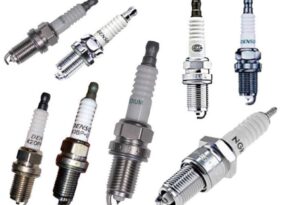
Not all spark plugs are created equal. Just like shoes for different activities, there are different types of spark plugs designed for various engines and performance needs. The material used for the electrode tip heavily influences how long does spark plugs last.
Copper-Core Spark Plugs
- What they are: These are the traditional spark plugs, featuring a copper-nickel alloy electrode. Copper is an excellent electrical conductor.
- Lifespan: Typically, copper plugs last between 20,000 to 40,000 miles.
- Best for: Older vehicles, high-performance engines (where they might be changed more frequently anyway). They are generally the least expensive option.
Platinum Spark Plugs
- What they are: Platinum plugs feature a platinum disc welded to the center electrode (single platinum) or on both the center and ground electrodes (double platinum). Platinum is much harder and more durable than copper.
- Lifespan: You can expect platinum plugs to last from 60,000 to 80,000 miles.
- Best for: Many modern vehicles, especially those with distributor-less ignition systems (DIS) that fire spark plugs twice per cycle.
Iridium Spark Plugs
- What they are: Iridium plugs are the current top-tier in terms of durability and performance. Iridium is even harder and has a higher melting point than platinum, allowing for a much finer, more precise electrode tip.
- Lifespan: These champions can last anywhere from 80,000 to an impressive 120,000 miles or more!
- Best for: Almost all new vehicles, especially those with advanced ignition systems. They offer superior performance and fuel efficiency over their long life.
Summary of Spark Plug Lifespans
Here’s a quick glance at the typical mileage you can expect from each type, helping you understand how long does spark plugs last depending on their material:
| Spark Plug Type | Typical Lifespan (Mileage) | Cost (Relative) |
|---|---|---|
| Copper-Core | 20,000 – 40,000 miles | Lowest |
| Platinum | 60,000 – 80,000 miles | Medium |
| Iridium | 80,000 – 120,000+ miles | Highest |
Factors That Influence Spark Plug Lifespan
While the material of your spark plug is a huge determinant of its longevity, it’s not the only factor. Several other elements can significantly affect how long does spark plugs last in your specific vehicle.
Driving Habits
Are you a city driver stuck in stop-and-go traffic, or do you mostly cruise on the highway? Frequent short trips and heavy city driving put more strain on your spark plugs. The constant starting and stopping, combined with lower engine temperatures, can lead to quicker carbon buildup and increased wear compared to steady highway driving.
Engine Condition
The overall health of your engine plays a massive role. Issues like a rich or lean fuel mixture (too much or too little fuel), oil leaks, or excessive carbon buildup in the combustion chamber can all foul your spark plugs. A fouled plug can’t fire properly, and trying to run your engine with them can accelerate wear and tear on other components.
Fuel Quality
Using lower-quality fuel with inconsistent additives can lead to deposits on your spark plugs. These deposits interfere with the spark, forcing the plug to work harder and ultimately shortening its life. Sticking to reputable gas stations and recommended octane levels is always a good idea.
Vehicle Make and Model
Each car manufacturer specifies a particular type of spark plug and a recommended replacement interval for their vehicles. These recommendations are based on extensive testing and are usually found in your car’s owner’s manual. Always refer to this manual first when wondering how long does spark plugs last for your specific car.
Signs Your Spark Plugs Are Worn Out
Your car has a way of telling you when something isn’t quite right. Worn-out spark plugs will often manifest through a series of symptoms that can be quite noticeable. Recognizing these signs early can save you from bigger headaches down the road.
Common Symptoms of Failing Spark Plugs
- Reduced Fuel Economy: One of the first things you might notice is that you’re filling up more often. Inefficient combustion means more fuel is wasted.
- Engine Misfires or Rough Idling: Does your engine feel like it’s sputtering or shaking, especially when idling? A weak or absent spark can cause a cylinder to “misfire.”
- Difficulty Starting: If your car struggles to turn over or takes several attempts to start, it could be a sign that your spark plugs aren’t delivering the necessary ignition power.
- Lack of Acceleration/Power: When you press the gas pedal, does your car feel sluggish or slow to respond? Worn plugs directly impact your engine’s ability to produce power efficiently.
- Check Engine Light (CEL): In more severe cases of misfires, your car’s computer might detect a problem and illuminate the “Check Engine” light on your dashboard.
Visual Inspection Tips
If you’re comfortable peering under the hood, you can often visually inspect your spark plugs (though removing them requires some basic tools and care). Look for:
- Fouling: Carbon deposits (black, sooty) or oil residue on the electrode tip.
- Erosion: The center electrode or ground electrode appearing rounded or significantly worn down. This increases the gap the spark has to jump.
- Cracked Porcelain: Any cracks in the ceramic insulator can cause the spark to ground out prematurely, leading to a misfire.
When Should You Replace Your Spark Plugs?
The golden rule for spark plug replacement is to follow your vehicle manufacturer’s recommendations. This is by far the most reliable answer to how long does spark plugs last for your specific car.
Manufacturer’s Recommendations are Key
Your car’s owner’s manual will have a detailed maintenance schedule, including when to check and replace spark plugs. For most modern vehicles running platinum or iridium plugs, this could be anywhere from 60,000 to 120,000 miles. For older vehicles or those using copper plugs, it might be as frequent as every 30,000 miles.
Don’t Wait for Failure
While you might be tempted to wait until your car shows obvious signs of wear, it’s generally best practice to replace spark plugs proactively, according to the recommended schedule. Waiting until they fail can lead to:
- Reduced fuel efficiency over a long period.
- Increased stress on other ignition components, like ignition coils.
- Potential engine damage if severe misfires go unaddressed.
DIY vs. Professional Replacement
Replacing spark plugs can be a DIY job for those with a bit of mechanical know-how and the right tools. However, it requires careful attention to detail, especially when gapping new plugs (adjusting the distance between the electrodes) and ensuring they are torqued correctly. If you’re unsure or uncomfortable, it’s always best to have a certified mechanic handle the job. They’ll ensure the correct type of plug is used and properly installed.
Maximizing Your Spark Plugs’ Life (and Your Engine’s Health)
While spark plugs have a finite lifespan, there are things you can do to help them last as long as possible and ensure your engine runs optimally throughout their service life.
Regular Engine Maintenance
This is crucial! Keeping up with your oil changes, air filter replacements, and ensuring your engine is running cleanly will prevent premature fouling of your spark plugs. A well-maintained engine means a healthier environment for your spark plugs.
Use the Correct Spark Plug Type
Always, always use the type of spark plug recommended by your car’s manufacturer. Installing the wrong type (e.g., copper where iridium is specified) can lead to poor performance, reduced fuel economy, and a significantly shorter lifespan than intended. It truly impacts how long does spark plugs last.
Address Engine Issues Promptly
If your Check Engine Light comes on, or you notice any unusual engine behavior, get it checked out quickly. Issues like a faulty oxygen sensor or a vacuum leak can affect your fuel-air mixture, which in turn can rapidly degrade your spark plugs. Fixing these underlying problems will protect your spark plugs and other engine components.
My own experience taught me that being proactive with spark plug maintenance is a game-changer. That sluggish feeling vanished, my gas mileage improved, and my car felt zippier than ever. It wasn’t just about replacing a part; it was about restoring my car’s vitality.
Conclusion
So, how long does spark plugs last? The answer, as we’ve seen, isn’t a single number. It depends heavily on the type of spark plug, your driving habits, and the overall health of your engine. Copper plugs might need changing every 20,000-40,000 miles, while iridium plugs can go for 100,000 miles or more. The most important thing is to consult your vehicle’s owner’s manual and stick to the recommended maintenance schedule.
Don’t wait until your car starts acting up to think about your spark plugs. Proactive replacement will keep your engine running smoothly, efficiently, and reliably. It’s a small investment in maintenance that pays off big time in performance, fuel economy, and peace of mind. Your car (and your wallet) will thank you for it!
Frequently Asked Questions
How long do spark plugs typically last in a car?
Standard copper spark plugs generally need replacement every 30,000 miles, while platinum or iridium spark plugs can last much longer, often up to 60,000 to 100,000 miles or even more. Always refer to your vehicle’s owner’s manual for the manufacturer’s specific recommendations on spark plug replacement intervals.
What factors can shorten the lifespan of spark plugs?
Several factors impact how long spark plugs last, including engine condition, driving habits (frequent short trips versus highway driving), and fuel quality. Issues like rich fuel mixtures, oil consumption, or excessive carbon buildup can also cause spark plugs to wear out prematurely.
What are the common signs that my spark plugs are failing or worn out?
Failing spark plugs can cause various symptoms, such as engine misfires, a rough idle, reduced fuel economy, and difficulty starting your car. You might also notice a decrease in acceleration or overall engine performance due to inefficient combustion.
Can regular maintenance help my spark plugs last longer?
While spark plugs are wear-and-tear items with a defined lifespan, maintaining a healthy engine can indirectly help them last longer. Ensuring proper air-fuel mixture, using quality fuel, and addressing any engine issues promptly can prevent premature fouling or wear of your spark plugs.
What happens if I don’t replace old spark plugs on time?
Delaying spark plug replacement can lead to several problems, including decreased fuel efficiency, reduced engine power, and even potential damage to other engine components like catalytic converters due to unburnt fuel. Ignoring worn spark plugs can ultimately result in more costly repairs down the line.
Do different types of spark plugs have different lifespans?
Yes, the material of the spark plug significantly affects how long they last. Copper spark plugs are the most affordable but have the shortest lifespan, while platinum and especially iridium spark plugs are designed for much longer service intervals due to their harder, more durable materials and finer electrodes.