For optimal engine performance and longevity, always consult your vehicle’s owner’s manual for precise spark plug replacement intervals, as these vary significantly by manufacturer and plug type. While traditional copper plugs might need changing around 30,000 miles, modern iridium or platinum plugs often last 100,000 miles or more, delivering peak fuel efficiency and preventing costly misfires. Timely replacement is key to keeping your car running smoothly and powerfully.
Hey there, fellow car enthusiast! Or maybe you’re just someone who wants their car to run smoothly without breaking the bank. Either way, you’ve landed in the right spot. We all know that sinking feeling when your beloved vehicle starts acting a little… off. Perhaps it’s struggling to start, chugging along, or suddenly guzzling gas like there’s no tomorrow. Often, these frustrating issues can be traced back to one small but mighty component: your spark plugs.
Think of your spark plugs as the tiny unsung heroes under the hood. They might be small, but their job is absolutely crucial for your engine’s very existence. They’re the ones responsible for creating the spark that ignites the fuel-air mixture, kicking off the combustion process that powers your car down the road. Without properly functioning spark plugs, your engine simply can’t do its job efficiently, leading to a whole host of performance woes.
So, how often should you actually change these vital components? This isn’t just a simple question with a one-size-fits-all answer. It depends on various factors, from your car’s make and model to the type of spark plugs it uses and even your driving habits. But don’t worry, we’re going to dive deep into everything you need to know about spark plug replacement to ensure your car delivers optimal performance and keeps you cruising smoothly for miles to come.
Key Takeaways
- Consult your owner’s manual: It provides the definitive replacement schedule for your vehicle.
- Observe modern plug longevity: Iridium and platinum plugs often exceed 100,000 miles.
- Monitor mileage intervals: Standard copper plugs generally require changes every 30,000 miles.
- Recognize performance drops: Misfires, rough idling, or slow acceleration signal worn plugs.
- Prevent reduced fuel economy: Timely replacement maintains optimal engine efficiency and MPG.
- Consider professional inspection: If unsure, a mechanic can assess plug health accurately.
- Prioritize engine health: Regular spark plug changes are vital for long-term reliability.
📑 Table of Contents
- The Critical Role of Spark Plugs in Your Engine’s Health
- Understanding Spark Plug Lifespan: It’s Not One-Size-Fits-All
- Telltale Signs Your Spark Plugs Need Changing
- The Benefits of Timely Spark Plug Replacement
- When to Change Your Spark Plugs: A Practical Guide (and a Handy Table!)
- Practical Tips for Maintaining Your Ignition System
- Conclusion
The Critical Role of Spark Plugs in Your Engine’s Health
Before we talk about changing them, let’s briefly underscore why spark plugs are so incredibly important. They’re not just a minor part you can ignore; they are fundamental to how your engine operates.
What Exactly Do Spark Plugs Do?
In the simplest terms, a spark plug creates a controlled electrical spark in the combustion chamber. This spark ignites the precisely measured mixture of fuel and air that has been drawn into the cylinder. When this mixture ignites, it creates a mini-explosion that pushes the piston down, turning the crankshaft and ultimately propelling your car forward. Each cylinder in your engine has at least one spark plug, and they all need to fire precisely and powerfully for everything to work in harmony.
Why They’re More Important Than You Think
Imagine trying to start a campfire with damp matches. It’s frustrating, takes forever, and might not even work. That’s a bit like what happens when your spark plugs start to fail. A weak or inconsistent spark leads to incomplete combustion. This doesn’t just reduce power; it also wastes fuel and increases harmful emissions. Healthy spark plugs ensure efficient combustion, translating directly into better fuel economy, smoother engine operation, and a longer life for your engine.
Understanding Spark Plug Lifespan: It’s Not One-Size-Fits-All
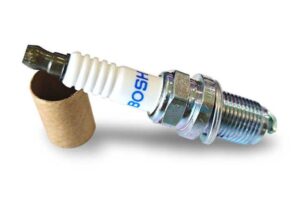
So, you’re probably wondering, “Okay, I get it, they’re important. But when should I actually change spark plugs?” The answer, like many things in car maintenance, isn’t a simple mileage number that applies to every single vehicle.
Manufacturer Recommendations: Your First Stop
The absolute best place to start is your car’s owner’s manual. Your car’s manufacturer provides specific guidelines for maintenance, including when to check or replace your spark plugs. These recommendations are based on extensive testing and are tailored to your specific engine. Following them is usually your safest bet for optimal performance and longevity.
Different Types, Different Lifespans
Not all spark plugs are created equal! The material used for the electrode significantly impacts their lifespan and performance. Knowing what type of spark plugs your car has can give you a better idea of what to expect:
- Copper Spark Plugs: These are the traditional workhorses. Copper is an excellent conductor, but it wears down relatively quickly. They typically need replacement every 30,000 to 50,000 miles. Many older cars or high-performance engines that benefit from copper’s conductivity still use them.
- Platinum Spark Plugs: Platinum is harder and more durable than copper. These plugs usually last much longer, often between 60,000 to 100,000 miles. They provide a more consistent spark over time.
- Iridium Spark Plugs: Iridium is even harder and more resilient than platinum. These are the longest-lasting spark plugs on the market, frequently rated for 100,000 miles or more. They offer superior durability and a very fine electrode, leading to an incredibly efficient spark. Many modern vehicles come equipped with iridium spark plugs from the factory.
Factors That Can Shorten Life
Even if you have long-lasting iridium spark plugs, certain conditions can accelerate their wear and tear:
- Aggressive Driving: Frequent hard acceleration and high RPM driving can put more stress on your spark plugs.
- Short Trips: If you mostly drive short distances, your engine might not reach optimal operating temperature consistently, which can lead to carbon buildup on the spark plugs.
- Engine Problems: Issues like oil leaks getting into the combustion chamber or a rich fuel mixture can foul spark plugs prematurely.
- Poor Fuel Quality: Low-quality fuel can also contribute to deposits and faster wear.
Telltale Signs Your Spark Plugs Need Changing
Sometimes, your car will give you clear signals that it’s time for new spark plugs, even before the recommended mileage interval. Paying attention to these symptoms can save you from bigger problems down the road.
Engine Misfires or Rough Idling
This is one of the most common indicators. If your engine feels like it’s stuttering, shaking, or “hiccupping,” especially when idling or at low speeds, it could be a sign that one or more spark plugs aren’t firing correctly. This feels like a loss of rhythm in the engine’s operation.
Difficulty Starting Your Car
Does your car crank for a long time before finally sputtering to life? Or does it seem hesitant when you turn the key? Weak or worn spark plugs struggle to create a strong enough spark to ignite the fuel-air mixture quickly, making starting an ordeal.
Reduced Fuel Economy
Have you noticed that you’re filling up your tank more often than usual? Old, worn spark plugs lead to inefficient combustion. This means your engine has to work harder and consume more fuel to produce the same amount of power. So, if your gas mileage has taken a noticeable hit, consider checking your spark plugs.
Sluggish Acceleration
When you press the gas pedal, does your car hesitate or feel sluggish instead of responding promptly? Worn spark plugs can’t deliver the consistent, powerful spark needed for quick combustion, resulting in a noticeable drop in acceleration and overall engine power.
Check Engine Light Illumination
The dreaded “check engine” light can come on for many reasons, but faulty spark plugs or ignition coils (which work with the spark plugs) are common culprits. If this light illuminates, it’s always wise to get it checked, as it could point directly to an issue with your ignition system.
The Benefits of Timely Spark Plug Replacement
Changing your spark plugs when needed isn’t just about fixing a problem; it’s about proactively maintaining your car’s health and maximizing its potential. The positive effects are often immediate and significant.
Restored Engine Performance
New spark plugs mean a strong, consistent spark. This translates directly into smoother engine operation, better throttle response, and the return of that “new car” feeling. You’ll notice your car runs more quietly and feels more powerful.
Improved Fuel Efficiency
With efficient combustion, your engine doesn’t have to work as hard, and less fuel is wasted. This means more miles per gallon, which is a welcome relief for your wallet, especially with today’s gas prices.
Reduced Emissions
When fuel burns completely, fewer harmful pollutants are released into the atmosphere. Timely spark plug replacement contributes to a cleaner environment by ensuring your car’s emissions are kept in check. It can also help you pass those dreaded emissions tests!
Preventing Costlier Repairs Down the Road
Ignoring worn spark plugs can lead to more serious and expensive problems. Engine misfires can damage other components, like catalytic converters, which are incredibly costly to replace. Keeping your spark plugs in good shape is a simple, relatively inexpensive way to avoid future headaches and protect your engine.
When to Change Your Spark Plugs: A Practical Guide (and a Handy Table!)
Let’s consolidate the information into some actionable advice for when you should change your spark plugs.
General Guidelines by Type
As we discussed, the type of spark plug makes a big difference:
- Copper: Generally every 30,000 to 50,000 miles.
- Platinum: Typically every 60,000 to 100,000 miles.
- Iridium: Often every 100,000 miles or even up to 120,000 miles.
Don’t Forget Your Owner’s Manual!
Again, this cannot be stressed enough: your car’s owner’s manual is the ultimate authority. It will provide the most accurate spark plug replacement interval for your specific vehicle and engine.
Here’s a quick reference table, but always consult your car’s manual!
| Spark Plug Type | Typical Replacement Interval | Notes |
|---|---|---|
| Copper | 30,000 – 50,000 miles | Good conductivity, but wears fastest. Often found in older cars or specific performance engines. |
| Platinum | 60,000 – 100,000 miles | More durable than copper, provides consistent performance over longer periods. |
| Iridium | 100,000 – 120,000+ miles | Most durable and longest-lasting. Standard in most modern vehicles. |
A Note on DIY vs. Professional Installation
Replacing spark plugs can be a DIY job for some, especially on simpler, older engines. However, modern engines are often more complex, with spark plugs hidden under intake manifolds or coils. If you’re not comfortable, or if you encounter resistance, it’s always best to have a professional mechanic handle the job. They have the right tools and expertise to prevent damage to your engine’s sensitive components.
Practical Tips for Maintaining Your Ignition System
Spark plugs are part of a larger ignition system. Taking care of the whole system ensures everything works optimally.
Regular Inspections Are Key
Even if your car isn’t due for a spark plug replacement, it’s a good idea to have them inspected during routine maintenance, like an oil change. A mechanic can check their condition, look for signs of fouling or wear, and give you an estimate of their remaining life.
Don’t Neglect Other Ignition Components
Spark plugs don’t work alone. They rely on ignition coils and spark plug wires (on some older vehicles) to deliver the high voltage needed to create a spark. If these components are faulty, even brand-new spark plugs won’t perform correctly. If your mechanic recommends replacing coils or wires along with your spark plugs, it’s often a smart move to keep the entire system healthy.
Listen to Your Car
Your car often tells you what it needs. Pay attention to changes in how it drives, sounds, or feels. Those subtle hints could be your car’s way of telling you it’s time for a maintenance check, and spark plugs are a good place to start looking when performance dips.
Conclusion
Understanding “how often should I change spark plugs” is a fundamental part of responsible car ownership. These small components play a huge role in your engine’s efficiency, power, and overall health. By following manufacturer recommendations, paying attention to the signs your car gives you, and choosing the right spark plugs for your vehicle, you’ll ensure your engine continues to run at its peak. Investing a little time and money into timely spark plug replacement can save you a lot of headaches and cash down the road, keeping your ride smooth, powerful, and fuel-efficient for many miles to come. Happy driving!
Frequently Asked Questions
How often should I typically change my spark plugs?
Most manufacturers recommend changing spark plugs every 30,000 to 100,000 miles, depending on the plug type (copper, platinum, iridium). Always consult your vehicle’s owner’s manual for the most accurate and specific maintenance schedule for your model.
What are the consequences if I don’t change my spark plugs when recommended?
Neglecting spark plug changes can lead to decreased fuel efficiency, engine misfires, rough idling, and reduced engine performance. Over time, worn-out plugs can also put added strain on other ignition components, potentially causing more expensive repairs.
What are the common signs that my spark plugs need to be changed?
Watch out for symptoms like a rough-running engine, difficulty starting, decreased acceleration, or a noticeable drop in fuel economy. Your check engine light may also illuminate, indicating an ignition system issue related to your spark plugs.
Do different driving conditions or car types affect how often I should change spark plugs?
Yes, your driving habits and vehicle type play a role. Frequent stop-and-go city driving or heavy towing can accelerate wear, requiring more frequent changes. Older vehicles with traditional copper plugs generally need replacement sooner than newer cars with long-life iridium plugs.
Can I change spark plugs myself, or is it a job best left to a professional mechanic?
Changing spark plugs can be a DIY task for those with some mechanical experience and the right tools, especially on simpler engine designs. However, modern engines can have complex layouts and delicate ignition coils, making professional installation advisable to avoid damage to the spark plugs or engine.
What are the benefits of regularly changing spark plugs?
Regular spark plug replacement ensures your engine maintains optimal performance, improves fuel efficiency, and reduces harmful emissions. It also helps prevent potential engine misfires and contributes to a smoother, more reliable driving experience.