Accurately test your spark plug wires using a multimeter to measure their electrical resistance, ensuring optimal engine performance. This DIY guide details how to check each wire’s continuity and compare readings to manufacturer specifications, vital for preventing misfires and power loss. Don’t let faulty wires diminish your car’s power and fuel efficiency!
Ever had your car suddenly feel like it’s sputtering or losing power? That gut-wrenching feeling when the check engine light flashes on, and your heart sinks, imagining a hefty repair bill? Trust me, I’ve been there. It’s frustrating when your trusty vehicle starts acting up, and you’re left guessing what could be wrong. Often, these issues can point to problems with your ignition system, and a common culprit many overlook are the spark plug wires.
Before you rush to the mechanic and shell out serious cash, what if I told you there’s a simple, empowering diagnostic step you can take yourself? Learning how to test spark plug wires can save you time, money, and give you a better understanding of your car’s health. It’s a rewarding DIY project that demystifies a crucial part of your engine’s operation.
This comprehensive guide is designed to walk you through everything you need to know about how to test spark plug wires accurately, just like you’re working alongside a friend. We’ll cover the tools you’ll need, the safety precautions to take, and a clear, step-by-step process to help you diagnose potential issues right in your garage. Let’s get your car running smoothly again!
Key Takeaways
- Disconnect Battery: Prioritize safety; always disconnect the car’s battery first.
- Visually Inspect Wires: Look for cracks, abrasions, or obvious damage.
- Use Multimeter: Measure resistance (ohms) for each spark plug wire.
- Check Specifications: Compare your readings to manufacturer’s resistance values.
- Identify Failures: High or infinite resistance indicates a faulty wire.
- Replace As Sets: Replace all spark plug wires together for optimal performance.
- Avoid Electric Shock: Wear insulated gloves and use proper tools.
📑 Table of Contents
Why Are Your Spark Plug Wires Important? The Basics
Think of your spark plug wires as the tiny, high-voltage highways that carry a critical electrical pulse to your spark plugs. Every time your engine needs to fire, the ignition coil sends a powerful burst of electricity – tens of thousands of volts! – through these wires to the spark plugs. The spark plug then creates a spark, igniting the air-fuel mixture in your engine’s cylinders, which is what makes your car move.
If these wires are old, damaged, or simply worn out, that electrical pulse can weaken or even get lost. This “misfire” means the spark isn’t happening when it should, or it’s not strong enough. The result? Your engine struggles, fuel economy drops, and performance suffers. Knowing how to test spark plug wires helps you catch these problems early.
Common Symptoms of Faulty Spark Plug Wires
- Engine Misfires: This is perhaps the most common sign. Your engine might shake, sputter, or hesitate, especially during acceleration.
- Rough Idle: If your car feels like it’s vibrating or chugging when you’re stopped at a light, faulty wires could be to blame.
- Reduced Fuel Economy: An inefficient ignition system means your engine isn’t burning fuel properly, leading to more frequent trips to the gas station.
- Check Engine Light (CEL): Often, a failing wire will trigger your CEL, possibly with specific codes like P0301, P0302, etc. (P030X indicates a misfire in cylinder X).
- Difficulty Starting: A weak or inconsistent spark can make your engine crank longer before it finally fires up.
- Visible Damage: Sometimes, you might even see cracks, burns, or chew marks (thanks, rodents!) on the wires themselves.
Safety First! Precautions Before You Start
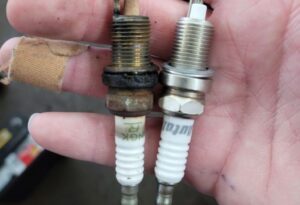
Before you even think about touching those wires, it’s absolutely crucial to prioritize safety. You’re dealing with electrical components and a car engine, which can be dangerous if not handled correctly. Taking a few moments to prepare safely can prevent accidents and injuries. This is paramount when you’re learning how to test spark plug wires.
Essential Safety Tips
- Turn Off the Engine and Let it Cool: Engine components can get extremely hot. Give your car at least an hour to cool down before working on it to avoid burns.
- Disconnect the Battery: Always disconnect the negative (-) terminal of your car’s battery. This prevents accidental electrical shocks and protects your car’s electrical system while you’re working. Use a wrench to loosen the terminal clamp and remove the cable.
- Wear Protective Gear: Put on insulated gloves and safety glasses. Electrical shocks are no joke, and small debris can fly.
- Work in a Well-Lit, Dry Area: Good lighting helps you see what you’re doing, and a dry environment minimizes the risk of electrical shock. Avoid working in wet conditions.
- Avoid Touching High-Voltage Components: Even with the battery disconnected, be mindful. If you’re unsure, double-check your steps.
Tools You’ll Need to Test Spark Plug Wires
You don’t need a whole mechanic’s workshop to successfully learn how to test spark plug wires. A few basic tools are all it takes. The most important item on your list will be a multimeter.
Selecting the Right Multimeter
A multimeter is a versatile electronic measuring instrument that can measure voltage, current, and resistance. For testing spark plug wires, you’ll primarily be using its ohmmeter function (resistance).
- Digital Multimeter: I highly recommend a digital multimeter for DIYers. They are easier to read, often have an auto-ranging feature (which means you don’t have to manually select the resistance range), and are generally more accurate for our purposes.
- Setting it to Ohms (Ω): Look for the ohm symbol (Ω) on your multimeter’s dial. If it’s not auto-ranging, start with a higher range like 20k or 200k ohms and adjust down if needed.
Other handy tools include:
- Spark Plug Wire Puller (Optional but Recommended): These tools help you remove the spark plug boots without damaging the wires or the boots themselves. They usually have a hooked end.
- Dielectric Grease: Essential for reassembly. It helps seal out moisture and prevents corrosion, making future removal easier.
- Clean Cloth or Paper Towels: For cleaning around the spark plug wells if needed.
- Marker or Labeling Tape: To help you keep track of which wire goes where.
Step-by-Step Guide: How to Test Spark Plug Wires for Resistance
Alright, you’ve got your tools, you’re safe, and you’re ready! This is the core of learning how to test spark plug wires effectively. We’re going to measure the electrical resistance of each wire to check for internal breaks or damage.
Preparing for the Test
- Identify and Label Wires: Your engine will have a spark plug wire for each cylinder (e.g., 4 for a 4-cylinder engine, 6 for a V6, etc.). It’s crucial to remove and test one wire at a time, or at least label them clearly, so you don’t mix up their firing order. Mixing them up can prevent your car from starting or cause severe damage.
- Gently Remove Wires: Grip the spark plug wire boot (the rubber part) as close to the spark plug as possible. Twist and pull gently but firmly. Do NOT pull on the wire itself, as this can damage the internal conductor. If it’s stubborn, use your spark plug wire puller. Repeat this process for the other end of the wire, pulling it from the distributor cap or coil pack.
- Inspect Visually First: Before testing, give the wire a quick visual check for obvious damage like cracks, fraying, or burns.
Performing the Resistance Test
- Set Your Multimeter: Turn your multimeter’s dial to the ohms (Ω) setting. If it’s not auto-ranging, start with a range around 20k ohms (20,000 ohms).
- Connect Probes: Take one probe from your multimeter and touch it to one metal terminal inside one end of the spark plug wire. Take the other probe and touch it to the metal terminal inside the other end of the same spark plug wire. Ensure good contact with the metal.
- Read the Display: The multimeter display will show a resistance value in ohms.
- Record the Reading: Note down the resistance value for each wire you test. This is important for comparison.
- Test All Wires: Repeat this process for every spark plug wire in your vehicle.
Interpreting the Results
The resistance value you read tells you about the health of the wire. Spark plug wires are designed to have a certain amount of resistance, but it needs to be within an acceptable range.
- Acceptable Resistance: Generally, most spark plug wires will have a resistance between 5,000 to 15,000 ohms per foot (or around 10,000 to 30,000 ohms for an average length wire). This isn’t a hard and fast rule, as manufacturer specifications vary significantly. Always check your vehicle’s service manual if you can, but these figures provide a good general guideline.
- High Resistance: If a wire shows significantly higher resistance than the others (or outside the manufacturer’s spec), it indicates an internal break or corrosion. The electricity is having trouble flowing, leading to a weak spark. This wire is failing.
- Open Circuit (OL or Infinity): If your multimeter displays “OL” (Over Load) or “infinity” (often indicated by a 1. followed by blank digits or similar, depending on your multimeter), it means there’s a complete break in the wire. No electricity can flow through it. This wire is definitely bad.
- Very Low Resistance (Near 0 Ohms): While rare for the wire itself, a very low resistance might indicate an internal short, though more commonly, it means the connection isn’t good, or the wire might be bypassing its resistive element. If all other wires are high, and one is very low, that wire is suspect.
Visual Inspection and Other Checks
While the multimeter test is the most accurate way to check internal wire integrity, a thorough visual inspection is also vital. Sometimes, issues are visible to the naked eye, even if the electrical resistance seems okay. This complements your learning of how to test spark plug wires.
What to Look For During Visual Inspection
- Cracks and Abrasions: Look for any signs of physical damage to the insulation. Cracks can allow moisture in or electricity to leak out (arc) to nearby metal parts.
- Burns or Melting: Inspect for any burnt spots, especially where wires might be touching hot engine components or each other. This indicates overheating or arcing.
- Corrosion on Terminals: Check the metal terminals inside the boots for rust or green/white corrosion. Corroded terminals can impede electrical flow.
- Rodent Damage: Small animals sometimes chew on wires, creating obvious breaks or exposed conductors.
- Loose or Damaged Boots: The rubber boots on the ends should be supple and fit snugly. If they are hard, cracked, or loose, they won’t seal properly, allowing moisture and dirt in.
The Arc Test (Cautionary Note)
You might hear about an “arc test” where you run the engine in the dark and look for sparks jumping from the wires. While this *can* reveal severely damaged wires, it’s risky due to the high voltage and potential for shock or injury. For a DIY enthusiast, relying on your multimeter and visual inspection is far safer and more precise for learning how to test spark plug wires.
Here’s a general guide for resistance values, but remember to always consult your vehicle’s specific service manual:
| Wire Length (Approx.) | Typical Resistance Range (Ohms) |
|---|---|
| Short (6-12 inches) | 5,000 – 15,000 |
| Medium (12-24 inches) | 10,000 – 25,000 |
| Long (24-36 inches) | 20,000 – 35,000 |
Disclaimer: Always consult your vehicle’s service manual for exact specifications, as these are general guidelines.
When to Replace Your Spark Plug Wires
After going through the process of how to test spark plug wires, the decision to replace them should be clear. If any single wire fails the resistance test, showing excessively high resistance or an open circuit, it needs to be replaced. Similarly, if you find significant visual damage like deep cracks, burns, or extensive corrosion, replacement is necessary even if the resistance test isn’t perfectly indicative of failure yet.
Most experienced mechanics and DIYers will recommend replacing spark plug wires as a complete set. Even if only one wire shows a problem, the others are likely of similar age and wear, meaning they could fail soon. Replacing them all at once ensures consistent performance across all cylinders and saves you from repeating the process shortly.
Tips for Replacing Spark Plug Wires
- One at a Time: To avoid any mix-ups in the firing order (which is crucial!), replace one wire completely before moving on to the next. Match the length and routing of the old wire with the new one.
- Apply Dielectric Grease: Before pushing the new boots onto the spark plugs and coil pack/distributor, apply a small amount of dielectric grease inside the boot. This helps create a better seal, prevents moisture from entering, and makes future removal easier.
- Ensure a Snug Fit: Push the boots firmly until you feel or hear them “click” into place. A loose connection can cause misfires.
- Proper Routing: Make sure the new wires are routed correctly, avoiding hot engine components, sharp edges, and other moving parts that could damage them. Use the original clips and loom where present.
Learning how to test spark plug wires and replace them is a fundamental skill that every car owner can benefit from. It’s a proactive step that contributes to your vehicle’s overall health and prevents minor issues from escalating into major, costly repairs.
So, there you have it! A comprehensive, friendly guide on how to test spark plug wires accurately, right in your own garage. By following these steps, you’ve not only diagnosed a potential problem but also gained valuable experience and confidence in tackling your car’s needs.
Remember, regular maintenance and quick diagnostics can save you a lot of headache and money down the road. Keep those spark plug wires healthy, and your engine will thank you with smooth, reliable performance. Happy wrenching!
Frequently Asked Questions
What are the common symptoms of bad spark plug wires?
Failing spark plug wires can cause your engine to misfire, run rough, or experience a loss of power and poor fuel economy. You might also notice engine hesitation, especially under acceleration, or a visible spark jumping from a wire at night.
What tools do I need to test spark plug wires?
To accurately test your spark plug wires, you’ll primarily need a digital multimeter capable of measuring resistance (ohms). You might also find insulated pliers, a wire puller, and gloves helpful for safe handling.
How do I test spark plug wires with a multimeter?
To test spark plug wires, first disconnect them from the spark plug and distributor/coil pack. Set your multimeter to the ohms (Ω) setting and touch one probe to each end of the spark plug wire’s metal connector. Record the resistance reading for each wire.
What resistance readings indicate good or bad spark plug wires?
Healthy spark plug wires typically show a resistance reading between 3,000 to 15,000 ohms per foot, varying by wire type and manufacturer. A reading that is significantly higher (e.g., infinite resistance or “OL”) indicates a break, while a reading significantly lower could mean internal damage. Compare readings to your vehicle’s service manual specifications or ensure consistency among your wires.
Can I test spark plug wires without removing them from the engine?
While a full resistance test with a multimeter is best done with the wires removed, you can perform a visual inspection and a “spark test” in a dark environment without full removal. Look for cracks, abrasions, or visible arcing, but for an accurate electrical assessment, removal is usually necessary.
Is it safe to test spark plug wires yourself at home?
Yes, testing spark plug wires at home can be safe if you follow proper precautions. Always ensure the engine is off and cool, and disconnect the battery to prevent accidental shocks or damage. Wear insulated gloves and eye protection for added safety.