Diagnosing engine misfires or performance issues can be a simple DIY task by learning how to test your spark plugs. This quick guide outlines essential steps, from visual inspection for wear and damage to using an ohmmeter for resistance checks, empowering you to maintain peak engine health and efficiency.
Ever had your car sputter, hesitate, or just not feel quite right? It’s a frustrating experience, isn’t it? One moment you’re cruising along, and the next, your trusty vehicle feels like it’s having an internal debate about whether to keep going. Many people immediately think of complex, expensive repairs when these symptoms appear. But what if I told you that often, the culprit is something small, easily accessible, and surprisingly simple to diagnose? We’re talking about spark plugs!
Those humble little components are the unsung heroes of your engine, igniting the air-fuel mixture thousands of times per minute. When they’re not doing their job correctly, your entire engine suffers. The good news is, you don’t always need a mechanic to figure out if your spark plugs are to blame. Learning how to test spark plugs is a fantastic DIY skill that can save you a trip to the garage, a lot of money, and give you a real sense of accomplishment.
Think of this as a friendly chat, a quick guide from someone who’s been there, scratching their head over engine woes. I’ll walk you through everything you need to know about how to test spark plugs, from what tools you’ll need to what those little plugs are trying to tell you about your engine’s health. Let’s get your car running smoothly again!
Key Takeaways
- Prioritize Safety: Disconnect the car battery before starting any work.
- Visually Inspect: Look for cracks, wear, or excessive deposits indicating issues.
- Check Spark Gap: Use a feeler gauge to confirm correct electrode spacing.
- Test Resistance: Use a multimeter to verify proper internal continuity.
- Perform Bench Test: A dedicated tester confirms spark presence and strength.
- Identify Issues: Poor spark plugs lead to misfires, low MPG, and performance loss.
- Replace as Needed: Test results dictate replacement; don’t just guess.
📑 Table of Contents
Why Bother Testing Your Spark Plugs?
You might be thinking, “Why should I bother learning how to test spark plugs? Can’t I just replace them?” While replacing them is part of maintenance, knowing how to test them first can confirm if they are indeed the problem or if something else is amiss. It’s like being a detective for your car!
Common Symptoms of Failing Spark Plugs
Your car has a way of communicating when something’s not right. Here are some tell-tale signs that your spark plugs might be on the fritz:
- Engine Misfires or Rough Idle: Does your engine feel like it’s shaking or skipping a beat, especially when sitting at a stoplight? This is a classic sign.
- Poor Fuel Economy: If you’re suddenly filling up more often, worn-out spark plugs could be allowing unburnt fuel to exit the exhaust.
- Slow Acceleration or Loss of Power: Your car might feel sluggish, struggling to accelerate like it used to.
- Difficulty Starting: If your engine cranks but struggles to turn over, it could be a weak or inconsistent spark.
- Check Engine Light: While this light can mean a million things, faulty spark plugs are a common trigger.
The Importance of Healthy Spark Plugs
Spark plugs are critical to the combustion process. They deliver the electrical spark that ignites the air-fuel mixture in your engine’s cylinders, creating the power that moves your vehicle. A strong, consistent spark is essential for efficient combustion. When spark plugs are worn, fouled, or improperly gapped, they can’t create that optimal spark, leading to all the problems listed above. Learning how to test spark plugs empowers you to address these issues proactively, preventing minor problems from escalating into major, costly repairs.
What You’ll Need: Tools of the Trade
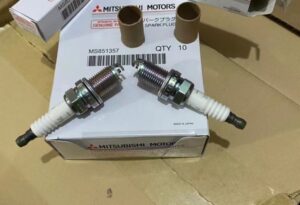
Before you dive in and learn how to test spark plugs, let’s gather our arsenal. Having the right tools makes the job much easier and safer.
Essential Tools
- Spark Plug Wrench or Socket Set: You’ll need the correct size (usually 5/8″, 13/16″, or 9/16″) with a rubber insert to protect the ceramic and hold the plug.
- Ratchet with Extension: To reach those plugs buried deep in the engine bay.
- Spark Plug Gap Tool: A simple coin-style or wire-gauge tool for measuring and adjusting the gap.
- Feeler Gauge: For more precise gap measurements.
- Dielectric Grease: To protect spark plug boots from moisture and make future removal easier.
- Clean Rags or Brush: For cleaning around the plug wells before removal.
- Torque Wrench (Recommended): Ensures you tighten new plugs to the manufacturer’s specification, preventing overtightening or undertightening.
- Spark Plug Tester (Optional but Recommended): This can be an in-line spark tester or, for resistance checks, a basic multimeter. This is key for how to test spark plugs electronically.
Safety First!
Always prioritize safety. Wear work gloves to protect your hands and safety glasses to protect your eyes. It’s also a good idea to ensure the engine is cool before you start working on it, as hot engine components can cause burns. While not always strictly necessary for spark plug removal, disconnecting your car’s negative battery terminal is a good general safety practice when working with electrical components.
The Visual Inspection: A Picture Tells a Thousand Words
One of the most valuable aspects of learning how to test spark plugs is the visual inspection. Your spark plugs are like tiny historians, documenting the health of your engine. Carefully removing them allows you to read their story.
How to Safely Remove a Spark Plug
- Locate and Identify: Find your spark plug wires or coil packs. If you have individual coil packs, you’ll usually see a bolt holding each one down.
- Label Everything: If you’re removing multiple plugs, it’s critical to label the wires or coils to ensure they go back in the correct cylinder. A piece of tape and a marker work wonders here.
- Remove Wires/Coils: Gently twist and pull the spark plug boot or coil pack. Do NOT yank on the wire itself, as this can damage it internally.
- Clean the Area: Before removing the plug, use compressed air or a brush to clear any debris from around the plug well. This prevents dirt from falling into the cylinder once the plug is out.
- Unscrew the Plug: Use your spark plug socket and ratchet. Turn counter-clockwise. Once loose, pull the plug straight out.
Reading Your Spark Plugs
Now, let’s examine what your removed spark plug is telling you:
- Normal Wear: A healthy spark plug will have light tan or grayish-brown deposits on the porcelain insulator tip. The electrodes will show minimal wear, and the gap will be close to specification. This indicates efficient combustion.
- Carbon Fouled: If the insulator tip, electrodes, and casing are covered in dry, black, sooty carbon, it suggests a rich fuel mixture, a weak spark, or an air filter issue.
- Oil Fouled: Black, oily deposits indicate that engine oil is entering the combustion chamber. This is usually due to worn piston rings, valve guides, or seals.
- Overheated/Blistered: A spark plug with a white, blistered, or melted insulator and electrodes suggests overheating. This could be from an incorrect heat range spark plug, pre-ignition, or an engine running too lean.
- Ash Deposits: Fluffy, white or grayish deposits can be caused by oil additives burning off in the combustion chamber.
- Worn Electrode: The center electrode might appear rounded, and the ground electrode might be significantly eroded, leading to an excessively wide gap. This simply means the plug is old and needs replacement.
My friend once showed me a spark plug from his car that was completely drenched in oil. We knew instantly we had a bigger problem than just a faulty plug. Learning how to test spark plugs visually really is the first, crucial step.
Gap Check and Adjustment
After your visual inspection, the next step in how to test spark plugs is to check their gap. This tiny space is more important than you might think!
Why Spark Plug Gap Matters
The gap is the distance between the center electrode and the ground electrode. This is where the spark jumps. If the gap is too small, the spark can be too weak, leading to misfires. If it’s too large, the voltage required to bridge the gap might exceed the coil’s capacity, also causing misfires or hard starting. A correctly gapped plug ensures the strongest possible spark for optimal combustion efficiency.
How to Test Spark Plug Gap
- Find the Specification: Consult your vehicle’s owner’s manual, a reliable repair manual, or a trusted online source for the precise spark plug gap for your specific make, model, and engine. This information is vital.
- Measure the Gap: Use your spark plug gap tool (either a coin-style or wire-gauge). Gently slide the appropriate wire or edge of the coin tool into the gap. It should fit snugly with a slight drag, but not force its way through.
Adjusting the Gap
If the gap is incorrect, you’ll need to adjust it:
- To Widen the Gap: Use the small hook on your gap tool to gently pry the ground electrode away from the center electrode. Make very small adjustments.
- To Narrow the Gap: Gently tap the ground electrode on a hard, non-damaging surface (like a wooden block) or use the adjustment slot on your gap tool to bend it closer to the center electrode.
Always re-measure after each adjustment. Be very careful not to bend or damage the delicate center electrode or the porcelain insulator. Remember, some modern iridium or platinum plugs are factory-gapped and should not be adjusted unless specifically instructed by the manufacturer, as you risk damaging the fine-wire electrode.
Common Spark Plug Gap Ranges (General Guide)
| Engine Type/Vehicle Age | Typical Gap (inches) | Typical Gap (mm) |
|---|---|---|
| Older Vehicles (pre-1980s) | 0.025 – 0.035 | 0.64 – 0.89 |
| Modern Vehicles (1980s-present) | 0.035 – 0.055 | 0.89 – 1.40 |
| High-Performance/Forced Induction | 0.022 – 0.030 | 0.56 – 0.76 |
Always refer to your vehicle’s specific owner’s manual for precise specifications.
Electronic Testing: Confirming the Spark
While visual inspection and gap checking are excellent starting points, sometimes you need to go a step further in how to test spark plugs to confirm they’re producing a spark. This is where electronic testers come in.
Using an In-Line Spark Tester
An in-line spark tester is a simple, inexpensive tool that allows you to visually confirm if a spark plug is receiving voltage and producing a spark. It’s a fantastic tool for diagnosing ignition system issues.
- Connect to Coil/Wire: Disconnect the spark plug wire or coil pack from the spark plug.
- Attach Tester: Connect one end of the in-line spark tester to the spark plug wire/coil pack terminal.
- Ground the Tester: Connect the other end of the tester to a good ground point on the engine (an unpainted metal surface).
- Crank the Engine: Have a helper briefly crank the engine (do not start it).
- Observe the Spark: Look for a bright, consistent spark within the tester’s window. If you see a strong, blue spark, your ignition system is likely delivering power to that cylinder. No spark, or a weak, yellow spark, indicates an issue with the coil, wire, or potentially the ECU.
Using a Multimeter (for resistance/continuity)
While a multimeter won’t show you the actual spark, it can measure the internal resistance of the spark plug. High resistance can indicate an internal fault or buildup.
- Set Multimeter: Set your multimeter to the Ohms (Ω) setting, typically in the 20k Ohm range.
- Measure Resistance: Touch one probe to the top terminal (where the plug wire/coil connects) and the other probe to the metal ground electrode.
- Check Reading: Compare the reading to your plug manufacturer’s specifications (often available online). A reading outside the specified range might suggest an internal issue with the plug. However, this is more common for spark plug wires than the plugs themselves, as plugs often fail visually or in their ability to spark under pressure, which a multimeter can’t test.
When to Trust Your Gut (and When to Get Professional Help)
Knowing how to test spark plugs gives you valuable diagnostic power. If your visual inspection reveals heavily fouled plugs, or your gap is way off, replacing them is often the solution. If your in-line spark tester shows no spark, and you’ve already checked the plug itself, then the problem lies upstream – with the spark plug wire, coil pack, or even the engine’s computer. At this point, or if you’re uncomfortable proceeding, it’s wise to consult a professional mechanic. Your DIY efforts have still helped narrow down the problem significantly!
Reinstallation and Final Tips
So, you’ve done your testing, perhaps cleaned or replaced your spark plugs. Now it’s time to put everything back together properly.
Proper Reinstallation
- Apply Dielectric Grease: Put a small amount of dielectric grease inside the spark plug boot (the rubber part that connects to the plug). This helps seal out moisture and makes future removal easier.
- Hand-Thread Carefully: Start threading the spark plug into the engine by hand. This is crucial to avoid cross-threading, which can severely damage your engine’s cylinder head. It should thread in smoothly.
- Torque to Specification: Once hand-tight, use your torque wrench to tighten the plug to the manufacturer’s specified torque. Overtightening can strip threads or crack the plug’s porcelain insulator, while undertightening can cause poor seating and combustion issues. If you don’t have a torque wrench, a general rule is to tighten until snug, then an additional 1/4 to 1/2 turn for new plugs with gaskets, or 1/16 turn for plugs without gaskets (tapered seat).
- Reconnect Wires/Coils: Push the spark plug boots or coil packs back onto the spark plugs until they click into place or are securely seated. Ensure you reconnect them to their original, correctly labeled cylinders.
Test Drive and Observation
Once everything is reinstalled, reconnect your battery if you disconnected it, start the engine, and listen. Does it sound smoother? Take it for a test drive. Pay attention to how it accelerates, idles, and if any previous symptoms (like misfires or hesitation) have disappeared. If your “check engine” light was on and the spark plugs were the sole cause, it might turn off on its own after a few drive cycles, or you might need to clear the code with an OBD-II scanner.
I always put a tiny dab of anti-seize compound on the spark plug threads, especially when working with aluminum cylinder heads. It makes removal next time a breeze. Just remember that anti-seize can affect torque readings, so if you use it, slightly reduce the specified torque value by about 10-20%.
Conclusion
Congratulations! You’ve just walked through the comprehensive process of how to test spark plugs, a truly empowering DIY skill. From understanding what different visual cues on your plugs mean to precisely gapping them and even performing electronic checks, you now have a solid foundation for diagnosing one of the most common car problems.
This isn’t just about saving money (though that’s a huge bonus!); it’s about understanding your vehicle better, gaining confidence, and tackling minor issues before they snowball. The first time you successfully diagnose and fix a spark plug issue, you’ll feel like a bona fide car guru. So, next time your engine feels a little off, don’t despair. Roll up your sleeves, grab your tools, and remember this guide on how to test spark plugs. You’ve got this!
Frequently Asked Questions
What are the signs that my spark plugs need testing or replacement?
Look for symptoms like engine misfires, rough idling, reduced fuel economy, or difficulty starting your car. These are common indicators that your spark plugs might be worn out or fouled, making a test crucial to diagnose the problem effectively.
What tools do I need to test spark plugs at home?
You’ll typically need a spark plug socket wrench, a spark plug gap gauge, and possibly a spark tester for a more comprehensive check. Always ensure your engine is cool before attempting to remove or test spark plugs.
How do I perform a basic visual inspection when testing spark plugs?
After carefully removing each spark plug, examine its ceramic insulator and electrodes for signs of wear, cracks, or heavy carbon buildup. A healthy spark plug should have a light tan or grayish-white deposit, indicating proper combustion.
How do I properly check the spark plug gap?
Use a wire-type gap gauge to measure the distance between the center and ground electrodes. Compare this reading to your vehicle manufacturer’s specifications, usually found in your owner’s manual or on an under-hood decal. Adjust the gap carefully if it’s too wide or too narrow.
Can I test spark plugs without removing them from the engine?
While you can perform some indirect checks like listening for misfires or using an oscilloscope, directly testing the spark plug for spark strength or resistance typically requires removal. For a comprehensive test of spark plug health, it’s best to take them out.
What indicates a healthy spark plug during testing?
A healthy spark plug will display a clean, light tan to grayish-white coloration on its tip, have an electrode gap that matches factory specifications, and produce a strong, consistent blue spark when tested with a spark tester. These signs confirm efficient combustion and proper firing.