For peak engine performance, timely spark plug replacement is non-negotiable, typically recommended every 30,000 to 100,000 miles based on your vehicle and plug type. Don’t wait for engine misfires, poor acceleration, or reduced fuel economy; proactively changing them ensures optimal combustion, maximum fuel efficiency, and a smoother ride. Adhering to manufacturer guidelines or addressing any noticeable performance dips promptly is key to maintaining your vehicle’s health.
Know When Should You Change Spark Plugs For Peak Performance
Hey there, fellow car enthusiast! Have you ever noticed your beloved car feeling a little sluggish, perhaps struggling to start on a chilly morning, or maybe just guzzling gas more than usual? It’s a frustrating feeling, isn’t it, when your trusty companion suddenly seems to lose its mojo. We often jump to conclusions about major engine problems, but sometimes, the culprit is something much smaller, yet incredibly vital: your spark plugs.
These unassuming little components play a colossal role in your car’s overall health and performance. Think of them as the tiny, unsung heroes working tirelessly behind the scenes to keep your engine humming happily. Ignoring their well-being can lead to a cascade of issues, from decreased fuel economy to serious engine damage down the line. But how do you know when these little workhorses are due for a break and a replacement? That’s exactly what we’re here to unravel today.
Changing your spark plugs isn’t just about fixing a problem; it’s about proactive maintenance that ensures your vehicle runs smoothly, efficiently, and reliably for years to come. In this post, we’ll dive deep into understanding these crucial parts, recognizing the signs they need replacing, and guiding you through the process of keeping your engine in tip-top shape. So, let’s get ready to give your car the attention it deserves and discover when you should change spark plugs for peak performance.
Key Takeaways
- Follow manufacturer recommendations: Consult your car’s owner’s manual for precise intervals.
- Watch for performance drops: Misfires, rough idle, or reduced fuel economy signal issues.
- Inspect plugs periodically: Look for wear, carbon deposits, or electrode damage.
- Understand plug material: Iridium/platinum plugs have longer lifespans than copper.
- Address check engine lights: An illuminated light often indicates ignition system problems.
- Prevent long-term damage: Timely replacement maintains engine efficiency and prevents costly repairs.
📑 Table of Contents
- The Unsung Heroes: What Spark Plugs Actually Do
- Manufacturer Recommendations: Your First and Best Guide
- Warning Signs: When Your Car Whispers (or Shouts) for New Spark Plugs
- Factors Influencing Spark Plug Lifespan Beyond Mileage
- The Different Types of Spark Plugs and Their Lifespans
- DIY or Professional? Making the Right Choice
- Conclusion
The Unsung Heroes: What Spark Plugs Actually Do
Before we talk about changing them, let’s quickly understand what spark plugs are and why they’re so essential. Imagine your car’s engine as a sophisticated machine designed to create controlled explosions. To ignite the air-fuel mixture in each cylinder, you need a spark. That’s where the spark plug comes in. It’s an electrical device that sits in the cylinder head of each cylinder.
When you turn the key, the ignition system sends a high-voltage electrical pulse to the spark plug. This pulse travels down the central electrode and jumps across a small gap to the ground electrode, creating a powerful spark. This spark ignites the compressed air-fuel mixture, causing a miniature explosion that drives the piston down, ultimately powering your car. Without a strong, consistent spark, this combustion process falters, leading to a myriad of problems.
Good spark plugs ensure efficient combustion, which translates directly into better engine performance, optimal fuel efficiency, and reduced harmful emissions. They are, quite literally, the tiny match that starts the big fire in your engine, keeping everything moving smoothly.
Manufacturer Recommendations: Your First and Best Guide
When it comes to vehicle maintenance, your car’s owner’s manual is your best friend. Seriously, it’s packed with information specifically tailored to your make and model, and that includes the recommended interval for changing your spark plugs. These recommendations aren’t just arbitrary numbers; they are based on extensive engineering and testing for your specific engine design and the type of spark plugs originally installed.
Most modern vehicles, especially those equipped with platinum or iridium spark plugs, have service intervals ranging anywhere from 60,000 to 100,000 miles, or even more. Older vehicles, particularly those using traditional copper spark plugs, might require changes as frequently as every 30,000 miles. Always check your manual first!
Sticking to these manufacturer recommendations is crucial because it helps you stay ahead of potential issues. It’s like going for a dental check-up before you have a toothache – it prevents bigger problems and keeps your engine running as the engineers intended. Don’t just guess; consult the experts who built your car.
Warning Signs: When Your Car Whispers (or Shouts) for New Spark Plugs
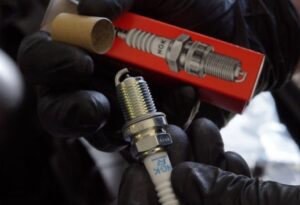
Sometimes, your car won’t wait for the mileage marker to tell you its spark plugs are failing. It will start sending you signals, some subtle, some not so much. Learning to recognize these symptoms can save you a lot of headache and potential repair costs down the road. Remember that time my old sedan started feeling like it was trying to run a marathon on a unicycle? Yeah, that was a pretty clear sign something was off!
Engine Misfires and Rough Idling
One of the most common signs of failing spark plugs is an engine misfire. You might feel a distinct jerk or hesitation, especially during acceleration. When your car is idling, it might feel rough, as if the engine is shaking or sputtering unevenly. This happens because one or more cylinders aren’t firing correctly due to a weak or absent spark.
Difficulty Starting the Car
If your car cranks for longer than usual before starting, or struggles to turn over, worn spark plugs could be to blame. A weak spark makes it harder to ignite the fuel-air mixture, especially in colder temperatures, leading to those frustrating extended cranking sessions.
Poor Fuel Economy
Are you finding yourself at the gas station more frequently? Faulty spark plugs can lead to incomplete combustion, meaning your engine has to work harder to produce the same power, consuming more fuel in the process. This isn’t just bad for your wallet; it’s bad for the environment too.
Sluggish Acceleration and Lack of Power
When your spark plugs are worn, the engine can’t generate the power it’s designed for. You might notice a noticeable drop in acceleration, making merging onto highways or climbing hills feel like a struggle. Your car simply won’t feel as responsive as it used to.
Check Engine Light Illumination
The “Check Engine” light is your car’s ultimate warning signal. While it can indicate a multitude of problems, failing spark plugs can definitely trigger it, often accompanied by diagnostic trouble codes like P0301, P0302, etc. (which indicate a misfire in a specific cylinder).
Engine Knocking or Pinging
A knocking or pinging sound coming from your engine can be a serious warning. It occurs when the air-fuel mixture ignites prematurely or unevenly. While it can be caused by various issues, worn spark plugs that don’t provide a consistent spark can contribute to this dangerous condition.
Factors Influencing Spark Plug Lifespan Beyond Mileage
While manufacturer recommendations provide a great baseline, several other factors can influence how long your spark plugs actually last. It’s not just about the odometer reading; how you drive and the condition of your engine play a significant role.
Driving Habits
Your driving style can significantly impact the wear and tear on your spark plugs. Frequent short trips, stop-and-go city driving, or aggressive acceleration and high RPMs place more stress on the ignition system, potentially leading to faster degradation of the spark plugs. Conversely, regular highway driving can be a bit gentler.
Engine Condition and Health
An engine that isn’t running optimally can put extra strain on your spark plugs. Issues like oil leaks, a rich fuel mixture (too much fuel, not enough air), or excessive carbon buildup within the combustion chambers can foul spark plugs prematurely. These contaminants can coat the electrodes, preventing a clean spark and shortening the lifespan of your spark plugs.
Fuel Quality
The quality of fuel you use can also have an effect. Lower-quality fuels might contain more impurities, leading to increased deposit buildup on the spark plugs over time. While modern fuels are generally good, consistently using reputable brands can contribute to healthier spark plugs.
Spark Plug Material
As we’ll discuss next, the material of the spark plug’s electrode has a huge impact on its durability and lifespan. Different materials offer varying levels of resistance to wear and corrosion, directly affecting how long they can perform optimally.
The Different Types of Spark Plugs and Their Lifespans
Not all spark plugs are created equal! Modern advancements have led to several types, each designed with different materials to offer specific performance characteristics and lifespans. Understanding these differences can help you appreciate why certain plugs last longer than others.
Copper Spark Plugs
These are the oldest and most traditional type, featuring a copper core electrode. Copper is an excellent electrical conductor, but it’s also relatively soft and susceptible to wear. They typically have the shortest lifespan.
Platinum Spark Plugs
Platinum spark plugs feature a platinum disc welded to the center electrode. Platinum is harder and more resistant to heat and corrosion than copper, allowing for a finer wire electrode. This results in a longer lifespan and more consistent performance.
Double Platinum Spark Plugs
As the name suggests, double platinum plugs have platinum discs on both the center and ground electrodes. This design further enhances durability and helps maintain a stable spark, especially in engines that feature “wasted spark” ignition systems (where spark plugs fire twice per cycle).
Iridium Spark Plugs
Iridium is one of the densest and hardest metals, making iridium spark plugs the most durable and long-lasting option. They typically feature a very fine wire center electrode, which requires less voltage to create a strong spark, improving ignition efficiency and fuel economy. These are common in many new vehicles.
Here’s a quick overview of typical lifespans for each type:
| Spark Plug Type | Typical Lifespan (Miles) | Pros | Cons |
|---|---|---|---|
| Copper | 20,000 – 40,000 | Inexpensive, good conductivity | Shortest lifespan, more frequent changes |
| Platinum | 60,000 – 80,000 | Longer lifespan than copper | More expensive, less conductive than copper |
| Double Platinum | 80,000 – 100,000 | Even longer lifespan, more stable spark | More expensive than single platinum |
| Iridium | 100,000 – 120,000+ | Longest lifespan, high durability, efficient spark | Most expensive, harder to gap manually |
Practical Tip: Always replace your spark plugs with the type recommended by your car manufacturer. Mixing and matching or using a cheaper, less durable type can compromise performance and lead to premature wear.
DIY or Professional? Making the Right Choice
Now that you know when your spark plugs might need changing, the next question is: should you do it yourself or take it to a mechanic? The answer depends on your comfort level, mechanical skills, and the complexity of your engine.
DIY Considerations
- Tools: You’ll need specific tools like a spark plug socket, a torque wrench to ensure proper tightening, and often a gap gauge (though many modern plugs come pre-gapped).
- Engine Knowledge: Accessing spark plugs can vary greatly between vehicles. Some are easily accessible, while others might require removing intake manifolds or other components.
- Risks: Improper installation can lead to serious issues, such as stripped threads in the cylinder head (a costly repair!), cross-threading, or dropping debris into the combustion chamber.
- Cost Savings: If you’re confident and capable, doing it yourself can save you a significant amount on labor costs.
Professional Considerations
- Expertise: A professional mechanic has the right tools, experience, and knowledge to correctly remove and install spark plugs, ensuring proper gapping and torque.
- Peace of Mind: You’ll have the assurance that the job is done right, reducing the risk of costly mistakes.
- Diagnostic Benefits: While changing the spark plugs, a mechanic might spot other underlying issues or maintenance needs, giving you a heads-up before they become bigger problems.
- Cost: You’ll pay for labor, but for many, the peace of mind and assurance of correct installation are well worth the expense.
Relatable Anecdote: Remember that one time I tried to fix something on my car and ended up making it worse? Yeah, best to know your limits! If you’re unsure, especially with modern engines that can be quite finicky, consulting a professional is always the safest bet. There’s no shame in letting the pros handle it, especially when it comes to vital engine components like spark plugs.
Conclusion
Ultimately, knowing when to change spark plugs isn’t just about following a maintenance schedule; it’s about understanding your car’s needs and responding proactively. These small, affordable components are critical to your engine’s efficiency, power, and overall lifespan. Ignoring their signs of wear can lead to a domino effect of poor performance, increased fuel consumption, and potentially expensive repairs down the road.
By paying attention to your owner’s manual, recognizing the warning signs your car gives you, and understanding the different types of spark plugs available, you can ensure your vehicle continues to deliver peak performance. Whether you choose to tackle the job yourself or rely on a trusted mechanic, timely spark plug replacement is a fundamental aspect of responsible car ownership.
So, listen to your car, keep those spark plugs fresh, and enjoy the smooth, efficient rides that proactive maintenance brings. Your car will thank you with smooth rides and a happy wallet!
Frequently Asked Questions
How often should I change my spark plugs?
This largely depends on your vehicle’s manufacturer recommendations, which can be found in your owner’s manual. Generally, conventional copper spark plugs might need changing every 30,000 miles, while platinum or iridium plugs can last significantly longer, often between 60,000 to 100,000 miles or more.
What are the common signs that indicate I need to change spark plugs?
Several symptoms suggest it’s time for new spark plugs, including a rough idle, engine misfires, reduced fuel economy, or difficulty starting your car. You might also notice a decrease in overall engine performance or acceleration.
What happens if I don’t change spark plugs when recommended?
Neglecting to change your spark plugs can lead to various engine problems, such as decreased fuel efficiency, engine misfires, and even potential damage to other engine components like the catalytic converter over time. This can result in costly repairs down the line.
Why is it important to change spark plugs for peak performance?
Properly functioning spark plugs are crucial for igniting the air-fuel mixture efficiently, which directly impacts your engine’s power, fuel economy, and emissions. Regular replacement ensures your engine maintains its optimal performance and responsiveness.
Does the type of spark plug affect when it should be changed?
Absolutely, the material of your spark plugs significantly impacts their lifespan and when they should be changed. Copper spark plugs wear out faster, while more durable platinum and iridium spark plugs are designed for extended service intervals, often lasting two to three times longer.
How can I determine if my spark plugs are worn out?
While visual inspection isn’t always conclusive, you can sometimes see signs of wear like burnt or eroded electrodes, heavy deposits, or a cracked insulator if you remove a spark plug. However, relying on your vehicle’s service schedule and performance symptoms is generally more reliable for knowing when to change spark plugs.