Replacing spark plugs can cost anywhere from $20 for DIY parts to over $500 for professional service, depending heavily on your vehicle and whether you tackle it yourself. Factors like engine complexity, the type of spark plugs needed, and local labor rates significantly influence the final price. Understanding these variables ensures you budget wisely for this essential maintenance.
Hey there, fellow car owner! We’ve all been there: that little feeling of dread when your car just doesn’t quite feel right. Maybe it’s a slight hesitation, a rough idle, or that dreaded check engine light making an appearance. Often, the culprit for these common car woes could be something as fundamental as your spark plugs. These small, mighty components play a huge role in getting your engine to hum along happily, and when they start to wear out, your whole driving experience can suffer.
It’s natural to wonder about the fix, but immediately after that, most of us think, “how much should it cost to replace spark plugs?” It’s a valid question, and one that doesn’t always have a straightforward answer. The cost can swing quite a bit depending on several factors, from your car’s make and model to where you get the work done. But don’t worry, you’re not alone in navigating this. Think of me as your trusted friend, guiding you through what you can expect when it’s time for this essential maintenance.
In this guide, we’re going to break down everything you need to know about spark plug replacement costs. We’ll explore what influences the price, whether you should tackle it yourself or call a pro, and some smart tips to ensure you’re getting a fair deal. By the end, you’ll have a much clearer idea of what your personal spark plug replacement might entail, and a better understanding of how much should it cost to replace spark plugs for your specific situation.
Key Takeaways
- Expect costs to vary significantly by vehicle and location.
- DIY saves significant labor costs, if comfortable with tools.
- Labor charges are the largest portion of professional replacement.
- High-performance plugs cost more but offer greater longevity.
- Always compare quotes from several mechanics for best price.
- Replace plugs timely to avoid more expensive engine repairs.
- More cylinders mean higher parts and labor expense.
📑 Table of Contents
- The Role of Spark Plugs and Why They Need Replacing
- Understanding the Cost Factors: Parts and Labor
- DIY vs. Professional Replacement: Weighing Your Options
- Additional Costs to Consider During Spark Plug Replacement
- Estimating the Total Cost: A Realistic Breakdown
- Tips for Saving Money and Getting a Fair Price
The Role of Spark Plugs and Why They Need Replacing
Before we dive into the nitty-gritty of costs, let’s quickly chat about why spark plugs are so vital and why they eventually need replacing. It’s tough to understand the value without knowing their job!
What Spark Plugs Do
Imagine your car’s engine as a controlled series of mini-explosions. Each spark plug’s job is to create that tiny spark, igniting the air-fuel mixture in your engine’s cylinders. This combustion is what pushes the pistons, turning the crankshaft, and ultimately powering your wheels. Without a good, strong spark, your engine can’t run efficiently, or sometimes, not at all.
Signs Your Spark Plugs Need Attention
Your car is pretty good at telling you when something’s amiss. Here are some common clues that your spark plugs might be on their way out:
- Rough Idling: If your car feels shaky or vibrates more than usual when stopped at a light.
- Difficulty Starting: Your engine might crank more than usual before firing up.
- Engine Misfires or Hesitation: A sudden jerk or loss of power, especially during acceleration.
- Reduced Fuel Economy: You’re filling up at the pump more often than usual.
- Check Engine Light: This universal warning sign can sometimes point to spark plug issues, among many other things.
- Lack of Power: Your car just doesn’t feel as responsive or powerful as it once did.
When Should You Replace Them?
The lifespan of spark plugs varies wildly depending on their type. Older copper plugs might need replacing every 30,000 miles, while newer platinum or iridium plugs can last anywhere from 60,000 to 100,000 miles, or even more. Always check your car’s owner’s manual for the manufacturer’s recommended service interval. Sticking to this schedule can prevent bigger, more expensive problems down the road.
Understanding the Cost Factors: Parts and Labor
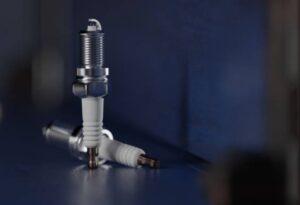
When you’re trying to figure out how much should it cost to replace spark plugs, it essentially boils down to two main components: the cost of the spark plugs themselves and the labor required to install them. Both can vary significantly.
Cost of Spark Plugs Themselves
Spark plugs aren’t all created equal, and their material directly impacts their price and lifespan:
- Copper Spark Plugs: These are the most basic and cheapest, typically costing around $2 to $5 each. They conduct electricity well but wear out faster.
- Platinum Spark Plugs: A step up, these usually range from $5 to $15 each. They last longer than copper and offer good performance.
- Iridium Spark Plugs: Considered premium, iridium plugs are the most durable and efficient, often costing $10 to $25 or more per plug. They offer the longest lifespan and best performance.
Keep in mind that high-performance or specialized engines (like some luxury cars or sports cars) might require specific, more expensive plugs.
Labor Costs: What Influences the Hourly Rate?
This is where the biggest chunk of your bill often comes from. Labor rates vary by shop and location, but also by the complexity of the job. Some engines have easily accessible spark plugs, while others might require removing intake manifolds or other components, significantly increasing the time and skill needed. An average labor rate might be anywhere from $75 to $150 per hour.
Geographical Variations in Labor
Just like anything else, the cost of labor can be higher in metropolitan areas or regions with a higher cost of living. A shop in a bustling city might charge more per hour than one in a smaller, rural town. Always factor in your location when estimating how much should it cost to replace spark plugs.
DIY vs. Professional Replacement: Weighing Your Options
The thought of saving some money often leads people to consider a DIY approach. Is it a good idea for spark plugs? Sometimes, yes; other times, absolutely not.
The DIY Path: Potential Savings and Risks
If you’re handy with a wrench and have some experience under the hood, replacing spark plugs yourself can save you a significant amount on labor costs. For a simple 4-cylinder engine with easily accessible plugs, it might just require a few basic tools and an hour or two of your time. You’d only pay for the parts, making the answer to “how much should it cost to replace spark plugs” on the very low end.
However, there are risks:
- Cross-threading: Incorrectly screwing in a spark plug can damage the engine’s cylinder head, leading to extremely expensive repairs.
- Breaking a Plug: Older, seized plugs can break off in the engine, requiring specialized extraction that can be very costly.
- Incorrect Gap: Spark plugs need to be gapped precisely. An incorrect gap can lead to misfires and poor performance.
- Electrical Damage: Improperly disconnecting or reconnecting ignition coils or wires can cause electrical issues.
Professional Service: Peace of Mind and Expertise
For most people, taking your car to a certified mechanic is the safest and most reliable option. Professionals have the right tools, experience, and diagnostic equipment to do the job correctly. They can identify any related issues and often offer a warranty on their work. While it adds to the total, the peace of mind can be priceless, especially if you’re not confident in your DIY skills or if your engine design is complex.
When to Definitely Call a Pro
- Your owner’s manual says spark plugs are located in a hard-to-reach area (e.g., under an intake manifold).
- You suspect a plug might be seized or difficult to remove.
- Your car has a complex ignition system.
- You don’t have the proper tools (e.g., torque wrench, specialized spark plug sockets).
- You’re not comfortable working with car engines.
Additional Costs to Consider During Spark Plug Replacement
Sometimes, spark plug replacement isn’t a standalone job. Other components might need attention, or unexpected issues can arise, impacting how much should it cost to replace spark plugs in total.
Diagnostic Fees
If your check engine light is on or you’re unsure if spark plugs are the actual problem, a mechanic might charge a diagnostic fee. This usually involves connecting a scanner to your car’s computer to read fault codes. Sometimes, this fee is waived or applied to the repair cost if you proceed with their service.
Replacing Ignition Coils or Wires
Ignition coils (or spark plug wires on older cars) work hand-in-hand with spark plugs. If one or more coils are failing, they might be replaced at the same time. A single ignition coil can cost anywhere from $50 to $200+, plus labor. Wires are generally cheaper, but still an added expense.
Dealing with Seized Plugs
Over time, spark plugs can seize in the cylinder head, especially in engines with aluminum heads. Removing a seized plug without breaking it requires specialized techniques and patience, adding significantly to labor time. If a plug breaks, extraction becomes a much more involved and expensive procedure, sometimes requiring cylinder head removal.
Estimating the Total Cost: A Realistic Breakdown
So, let’s put some numbers to the question of how much should it cost to replace spark plugs. This is a general range, and your specific vehicle and location will dictate the exact price.
Low-End Estimate (4-Cylinder, Accessible)
For a typical 4-cylinder engine where the spark plugs are easy to get to, and you opt for standard platinum plugs:
- Parts (4 platinum plugs): $20 – $60
- Labor (1-2 hours): $75 – $300
- Total: $95 – $360
Mid-Range Estimate (6-Cylinder, Moderate Accessibility)
For a 6-cylinder engine, perhaps with some components needing removal (like an upper intake manifold) or if you choose iridium plugs:
- Parts (6 iridium plugs): $60 – $150
- Labor (2-4 hours): $150 – $600
- Total: $210 – $750
High-End Estimate (8-Cylinder, Complex Design)
For an 8-cylinder engine, especially those with complex layouts, or in luxury/performance vehicles:
- Parts (8 iridium plugs): $80 – $200
- Labor (3-6+ hours, potentially more for seized plugs): $225 – $900+
- Total: $305 – $1100+
These ranges include the parts and labor for the spark plugs only. If ignition coils or other components are replaced, the cost will increase further.
Tips for Saving Money and Getting a Fair Price
Even though we’ve established how much should it cost to replace spark plugs can vary, there are ways to ensure you’re getting good value.
Get Multiple Quotes
Don’t settle for the first estimate you receive. Call a few reputable shops in your area and ask for quotes for spark plug replacement for your specific vehicle. Provide them with your car’s year, make, model, and engine size. This helps you compare prices and services.
Ask About Warranty
A good shop will offer a warranty on parts and labor. This provides protection if something goes wrong shortly after the service. Always clarify the warranty terms before agreeing to the work.
Consider Independent Shops vs. Dealerships
Dealerships often charge a premium for labor and parts, sometimes because they use OEM (Original Equipment Manufacturer) parts and specialized technicians. Independent repair shops, however, can often perform the same service for less, using equally good aftermarket parts. They also frequently have a more personal touch and often strive to build long-term relationships with customers. However, for some very specialized vehicles, a dealership might be the best option.
Preventative Maintenance
The best way to save money in the long run is to follow your car’s recommended maintenance schedule. Replacing spark plugs when they’re due, rather than waiting for them to fail completely, can prevent more serious (and costly) engine damage and keep your fuel economy optimal. This also makes the job easier for the mechanic, as plugs are less likely to be seized.
Phew! That was a lot of information, wasn’t it? But hopefully, you now feel much more informed about how much should it cost to replace spark plugs for your vehicle. It’s clear that there’s no single price tag; instead, it’s a range influenced by your car, the type of spark plugs, where you live, and whether you DIY or hire a pro.
Remember, timely maintenance, like replacing those worn-out spark plugs, isn’t just about avoiding a hefty repair bill down the line. It’s about ensuring your car runs smoothly, efficiently, and reliably, getting you safely to all your destinations. So, whether you grab your tools or head to your trusted mechanic, taking care of your spark plugs is a smart investment in your car’s health. Drive safe, my friend!
Frequently Asked Questions
What is the average cost to replace spark plugs?
The average cost for spark plug replacement typically ranges from $100 to $400, including both parts and labor. This can vary significantly based on your vehicle’s make and model, as well as the type of spark plugs required.
What factors influence the total cost of spark plug replacement?
Several factors affect the total cost, including the type of spark plugs (standard, platinum, iridium), the number of cylinders in your engine, and the labor time involved. Vehicles with difficult-to-access spark plugs, such as those under an intake manifold, will incur higher labor costs.
Is it cheaper to replace spark plugs myself or have a professional do it?
DIY replacement is usually cheaper as you only pay for the parts, which can range from $20 to $100+. However, a professional replacement includes the labor, specialized tools, and expertise, ensuring the job is done correctly and often comes with a warranty. Attempting it yourself without experience could lead to costly mistakes.
How much does it cost to replace spark plugs for different car models or types?
The cost to replace spark plugs can vary greatly by car model. For example, a 4-cylinder engine with easily accessible plugs will be less expensive than a V6 or V8 engine, especially in luxury vehicles or those with complex engine bay layouts, where labor time increases.
What does the spark plug replacement service typically include?
A standard spark plug replacement service usually includes the cost of new spark plugs, the labor to remove the old ones and install the new ones, and proper gapping if necessary. Some shops may also perform a brief visual inspection of related components like ignition coils or wires.
How often should I replace my spark plugs, and does this affect long-term costs?
Spark plug replacement intervals vary, generally recommended every 30,000 to 100,000 miles depending on the plug type and manufacturer. Adhering to these recommendations can prevent more costly engine damage, improve fuel efficiency, and maintain engine performance, thus affecting long-term running costs positively.