Knowing when to change spark plugs is crucial for maintaining your car’s optimal performance and avoiding costly issues. Always adhere to your vehicle’s manufacturer-recommended service intervals, typically found in the owner’s manual, to prevent problems like reduced fuel efficiency, misfires, or engine damage. Be alert for common warning signs such as a rough idle, engine hesitation, or difficulty starting, signaling it’s time for an inspection and potential replacement.
How to Know When to Change Spark Plugs Avoid Problems
There’s a special kind of bond we share with our cars, isn’t there? They’re more than just machines; they’re our faithful companions, getting us to work, taking us on adventures, and bringing our kids to soccer practice. But like any good relationship, it requires a little attention and understanding. Sometimes, our trusty vehicles start sending us subtle signals that something isn’t quite right. Maybe there’s a slight hesitation when you accelerate, or perhaps your usual morning commute suddenly feels a bit more sluggish.
Often, these little quirks can be traced back to some of the smallest yet most vital components under the hood: your spark plugs. These unassuming parts are the unsung heroes of your engine, responsible for igniting the fuel mixture that powers your car. When they start to wear out, it’s not just a minor inconvenience; it can lead to bigger problems, costly repairs, and even leave you stranded. But how do you know when it’s time for a change? Don’t worry, we’re here to help you understand the signs and keep your ride running smoothly.
Key Takeaways
- Consult Owner’s Manual: Always follow manufacturer-recommended spark plug change intervals.
- Watch for Symptoms: Misfires, rough idle, or poor acceleration signal worn plugs.
- Inspect Regularly: Visually check plugs for wear, deposits, or damage during maintenance.
- Note Fuel Economy: A sudden drop in MPG often indicates failing spark plugs.
- Address Check Engine Light: Don’t ignore dashboard warnings; they signal potential issues.
- Prevent Costly Repairs: Timely replacement avoids engine damage and bigger problems.
📑 Table of Contents
The Crucial Role of Spark Plugs in Your Vehicle
Before we dive into the “when,” let’s quickly touch upon the “why.” Understanding what spark plugs do will make it easier to grasp why their condition is so important for your car’s health.
What Exactly Do Spark Plugs Do?
Imagine your engine as a highly synchronized dance. Fuel and air mix, and then, at just the right moment, a tiny electrical spark ignites that mixture, creating a controlled explosion that pushes the pistons and turns your crankshaft, propelling your car forward. That tiny, yet powerful, spark is precisely what your spark plugs provide. Each cylinder in your engine has at least one spark plug, ensuring that every combustion cycle happens efficiently and powerfully. A strong, consistent spark means a happy, efficient engine.
Different Types of Spark Plugs
Not all spark plugs are created equal! There are primarily three types you’ll encounter, and their material significantly impacts their lifespan and performance:
- Copper Spark Plugs: These are the oldest and most traditional. Copper is an excellent conductor, but it’s a softer metal, so copper spark plugs wear out faster. They’re often found in older vehicles or those with less demanding ignition systems.
- Platinum Spark Plugs: Featuring a platinum disc welded to the center electrode, these spark plugs offer better durability and last longer than copper ones. They provide a more consistent spark over time.
- Iridium Spark Plugs: Considered the top-tier, iridium spark plugs use an incredibly hard and durable iridium alloy for their electrodes. This allows for very fine electrodes, creating an even more precise and powerful spark with exceptional longevity. Many modern vehicles come equipped with iridium spark plugs.
Common Symptoms of Worn-Out Spark Plugs
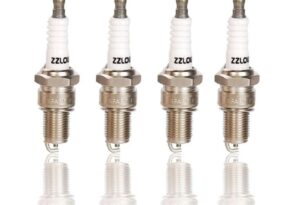
Your car is pretty good at telling you when something is amiss, especially when it comes to its vital spark plugs. Learning to interpret these signals can save you a lot of trouble.
Engine Misfires or Rough Idling
This is perhaps the most common sign. If your engine feels like it’s stumbling, shaking, or vibrating unevenly, especially when idling at a stoplight, worn-out spark plugs could be the culprit. A misfire occurs when one or more of your spark plugs fail to ignite the fuel-air mixture in a cylinder. It feels like a momentary hiccup, or like the engine is momentarily losing power, causing a noticeable jerk or vibration.
Reduced Fuel Economy
Are you finding yourself at the gas station more often than usual? Old, dirty, or improperly gapped spark plugs can lead to incomplete combustion. When fuel isn’t burned efficiently, your engine has to work harder to produce the same power, meaning it consumes more gasoline. It’s like trying to light a damp log – you use more kindling just to get a weak flame.
Slow Acceleration or Lack of Power
If your car feels sluggish, takes longer to get up to speed, or struggles when climbing hills, it could be due to failing spark plugs. When the spark isn’t strong enough, the engine can’t produce its full power output. This often manifests as a noticeable decrease in responsiveness, making merging onto highways or passing other vehicles feel more challenging than it should.
Difficulty Starting Your Car
Turning the key and hearing your engine crank, crank, crank without immediately catching can be frustrating. While this symptom can point to various issues (like a weak battery or starter), worn spark plugs can also be a significant contributor. A weak spark might not be enough to ignite the fuel-air mixture consistently, making your car hesitant to start, especially in cold weather.
Check Engine Light Illumination
Ah, the dreaded check engine light! If it illuminates, and you’re experiencing any of the above symptoms, it’s a strong indicator that something is wrong. Often, a diagnostic scan will reveal “P030X” codes (e.g., P0301, P0302), which specifically indicate misfires in a particular cylinder. While these codes can also point to other issues like faulty ignition coils or fuel injectors, worn spark plugs are frequently the cause.
Understanding Manufacturer Recommendations and Lifespans
While paying attention to symptoms is crucial, proactive maintenance based on your car’s specific needs is even better.
Your Owner’s Manual Is Your Best Friend
The single most authoritative source for when to change your spark plugs is your car’s owner’s manual. Manufacturers spend countless hours testing their vehicles and provide precise maintenance schedules. Don’t guess; consult the manual. It will specify the exact type of spark plugs your engine requires and the recommended replacement interval, usually in miles or kilometers.
Factors Influencing Spark Plug Lifespan
Even with manufacturer recommendations, certain factors can influence how long your spark plugs truly last:
- Driving Habits: Frequent short trips, stop-and-go city driving, or aggressive driving can put more strain on your spark plugs and potentially shorten their lifespan compared to mostly highway driving.
- Fuel Quality: Using lower-quality fuel or fuel with contaminants can lead to deposits building up on your spark plugs, affecting their performance.
- Engine Condition: Issues like oil leaks into the combustion chamber or an overly rich/lean fuel mixture can cause spark plugs to foul or wear prematurely.
Typical Lifespan Ranges for Spark Plugs
As a general guideline, here’s what you can expect:
- Copper Spark Plugs: Typically need replacement every 30,000 to 45,000 miles.
- Platinum Spark Plugs: Generally last between 60,000 to 80,000 miles.
- Iridium Spark Plugs: These are the longest-lasting, often rated for 80,000 to 120,000 miles or even more in some modern engine designs.
DIY Visual Inspection: What to Look For
If you’re comfortable getting a little hands-on, a visual inspection of your spark plugs can provide valuable insights into their condition and even your engine’s overall health.
Safety First: Before You Start
Always ensure your engine is turned off and cool before attempting to remove any spark plugs. If you’re unsure, disconnecting the battery’s negative terminal is a good safety precaution to prevent accidental sparks. If you’re not confident, it’s always best to leave this to a professional.
How to Remove a Spark Plug (Briefly)
Locate the spark plug wires or coils on top of your engine. Carefully remove one wire or coil pack. Using a spark plug socket (a specialized deep socket), gently unscrew the spark plug counter-clockwise. Be careful not to drop it or damage the threads.
Interpreting Spark Plug Condition
Once you’ve carefully removed a spark plug, examine it closely:
- Normal (Ideal) Condition: A healthy spark plug will have a light tan or grayish-brown color on the ceramic insulator around the electrode, with minimal wear on the electrode itself. This indicates proper combustion and a well-tuned engine.
- Oil-Fouled: If your spark plug is black and covered in a wet, oily residue, it usually means oil is leaking into the combustion chamber. This is a sign of a more significant engine problem (like worn piston rings or valve seals), not just a bad spark plug.
- Carbon-Fouled: A dry, black, sooty coating on the spark plug suggests an overly rich fuel mixture (too much fuel, not enough air) or incomplete combustion. This can be caused by a faulty oxygen sensor, clogged air filter, or other fuel system issues.
- Overheated: A spark plug that looks white, blistered, or has melted electrodes might indicate the engine is running too hot. This could be due to incorrect spark plug heat range, ignition timing issues, or a very lean fuel mixture.
- Worn Out: A truly worn-out spark plug will have heavily eroded electrodes, looking rounded rather than sharp, and a noticeably wider gap than specified by the manufacturer. This clearly indicates it’s time for replacement.
Checking the Gap
The “gap” is the distance between the center and ground electrodes. This gap is crucial for a strong spark. You can check it with a specialized tool called a spark plug gapping tool. Your owner’s manual will specify the correct gap for your spark plugs. If the gap is too wide (from wear) or too narrow, it can lead to misfires and poor performance. Some iridium spark plugs come pre-gapped and should not be adjusted.
The Consequences of Ignoring Worn Spark Plugs
Putting off changing your spark plugs might seem like a small thing, but ignoring these vital components can lead to a cascade of bigger, more expensive problems down the road.
Increased Repair Costs
Perhaps the most compelling reason not to procrastinate! When spark plugs continually misfire, unburnt fuel can enter your exhaust system. This unburnt fuel can severely damage your catalytic converter, a crucial and very expensive emission control component. Replacing a catalytic converter can cost thousands of dollars – far more than a set of new spark plugs. Additionally, struggling spark plugs can put extra strain on other ignition components, like ignition coils, potentially leading to their premature failure.
Environmental Impact
Inefficient combustion not only wastes fuel but also increases harmful exhaust emissions. Your vehicle will pollute more, contributing to smog and other environmental concerns. Keeping your spark plugs in good shape is a small step towards being a more environmentally responsible driver.
Stranded on the Road
Imagine this: you’re on a road trip, miles from home, and your car suddenly starts running terribly, or worse, completely breaks down. Severely worn or fouled spark plugs can lead to erratic engine performance, complete loss of power, or an engine that simply won’t start. This can leave you stranded, requiring a tow truck, and ruining your plans.
Reduced Driving Enjoyment
Nobody enjoys driving a car that feels sluggish, shakes, or has trouble starting. A vehicle with healthy spark plugs runs smoothly, responds crisply, and gives you that confident feeling on the road. Don’t let worn-out spark plugs detract from the pleasure of driving!
Spark Plug Types and General Lifespans
Here’s a quick reference table summarizing the typical lifespans for different spark plug types, but always remember to check your owner’s manual for precise recommendations.
| Spark Plug Type | Typical Lifespan (Miles) | Notes |
|---|---|---|
| Copper | 30,000 – 45,000 | Good conductor, but softer electrode wears faster. Often found in older cars or specific performance applications. |
| Platinum | 60,000 – 80,000 | Better wear resistance than copper, improved longevity. A common factory-installed plug for many vehicles. |
| Iridium | 80,000 – 120,000+ | Extremely durable, finest electrode for best spark. The longest-lasting type, popular in modern, high-performance engines. |
Remember, these are general guidelines. Your specific driving conditions and vehicle model might alter these figures slightly.
In conclusion, your spark plugs are small components that play a massive role in your vehicle’s performance and longevity. By paying attention to the subtle signals your car sends you, understanding your maintenance schedule, and performing occasional visual checks, you can stay ahead of potential problems. Replacing your spark plugs when needed is a relatively inexpensive maintenance item that can prevent far more costly repairs and ensure your faithful companion continues to run smoothly, efficiently, and reliably for many miles to come. It’s a small investment for big peace of mind – and who wouldn’t want that?
Frequently Asked Questions
How often should I change my spark plugs?
The recommended interval for changing spark plugs typically ranges from every 30,000 to 100,000 miles, depending on your vehicle’s manufacturer and the type of spark plugs used. Always consult your car’s owner’s manual for precise recommendations specific to your model.
What are the common signs that indicate I need to change my spark plugs?
Look out for symptoms such as a rough engine idle, difficulty starting your car, noticeable engine misfires, or reduced acceleration. A drop in fuel efficiency is another strong indicator that your spark plugs might be worn out.
What happens if I don’t change my spark plugs when they’re due?
Neglecting to change your spark plugs can lead to serious problems, including engine damage, decreased fuel economy, and increased exhaust emissions. Worn plugs can also put stress on other engine components and potentially damage your catalytic converter.
Do different types of spark plugs have different lifespans?
Yes, the material of your spark plugs significantly impacts their lifespan. Copper spark plugs usually last the shortest (around 30,000 miles), while platinum and iridium spark plugs are designed for extended life, often lasting 60,000 to 100,000 miles or even more.
Can I visually inspect my spark plugs to tell if they need changing?
While a visual inspection can offer clues, it’s not always definitive. You might look for signs like excessive electrode wear, carbon buildup, or a fouled appearance, but a professional diagnostic tool can provide a more accurate assessment of their performance.
How does timely spark plug replacement benefit my car?
Changing your spark plugs on time ensures optimal engine performance, better fuel efficiency, and lower emissions. It also helps prevent potential engine damage and contributes to the overall longevity and reliability of your vehicle.