Spark plugs are vital diagnostic tools, revealing your engine’s health through their appearance. Inspecting the insulator tip’s color and condition—from light tan (healthy) to black, white, or oily deposits—provides crucial clues about fuel mixtures, oil consumption, and other performance issues. Learning to interpret these visual cues empowers you to pinpoint and address problems early, saving time and money on costly repairs.
Have you ever looked at your car’s engine, seen those little metal pieces with wires attached, and wondered what secrets they hold? Those are your spark plugs, and believe it or not, they’re like tiny messengers from your engine, offering clues about its inner workings. Just like a doctor examines your tongue or eyes, an experienced mechanic can tell a lot about an engine’s health by simply “reading” its spark plugs.
It might sound a bit intimidating at first, like trying to decipher an ancient language, but I promise it’s a skill anyone can learn. Think of it as gaining a superpower – the ability to peek into your engine’s combustion chamber without taking it apart! Understanding what your spark plugs are telling you can save you a lot of headaches, costly repairs down the line, and even improve your vehicle’s performance and fuel economy. So, grab a cup of coffee, and let’s unravel this mystery together.
In this post, we’re going to dive deep into the fascinating world of spark plug diagnostics. We’ll explore what a healthy spark plug looks like, and then, more importantly, what various signs of trouble mean. By the end, you’ll be able to pull out a spark plug and have a pretty good idea of what’s going on under the hood.
Key Takeaways
- Normal is light tan: Indicates healthy combustion and fuel mix.
- Black soot signals richness: Check air filter, fuel pressure, or O2 sensor.
- White insulator means lean: Investigate vacuum leaks, injectors, or fuel pump.
- Oil fouling points to wear: Worn piston rings or valve seals need attention.
- Melted electrodes indicate heat: Incorrect heat range or severe pre-ignition.
- Fouling causes misfires: Replace or clean plugs to restore performance.
- Compare all spark plugs: Identify cylinder-specific issues quickly.
📑 Table of Contents
Why Reading Your Spark Plugs is Your Engine’s Secret Language
Imagine your car suddenly feels sluggish, or maybe it’s burning through more fuel than usual. Instead of a guessing game, what if you could pinpoint the problem yourself? That’s where reading your spark plugs comes in. Each spark plug is directly involved in the combustion process, igniting the air-fuel mixture that powers your engine. Because of this intimate role, they collect deposits and show wear patterns that directly reflect conditions inside the combustion chamber.
By learning how to interpret these visual cues, you’re not just performing maintenance; you’re becoming a detective for your vehicle. You can catch issues like an overly rich or lean fuel mixture, oil leaks, excessive carbon buildup, or even impending engine damage before they become catastrophic. This diagnostic technique is incredibly powerful, enabling you to make informed decisions about repairs and keep your engine running smoothly for years to come. It’s truly a fantastic way to understand and care for your ride.
Getting Started: What You’ll See on a Healthy Spark Plug
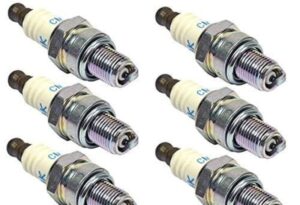
Before we dive into the bad news, let’s talk about what a “good” spark plug looks like. Knowing this benchmark is crucial for comparison. When you pull out a healthy spark plug, you should see:
Normal Wear: The Tan-Gray Ideal
- Color: The porcelain insulator (the ceramic part around the central electrode) should have a light tan or grayish-brown color. Think of it like a perfectly roasted marshmallow – golden brown, not burnt.
- Deposits: There should be minimal, if any, deposits on the electrodes or insulator tip. A very thin, light layer is acceptable, but nothing thick or crusty.
- Electrode Condition: The central and ground electrodes should be intact, with crisp, well-defined edges. There might be slight erosion over time, which is normal, but they shouldn’t look melted, burned, or severely pitted.
- Gap: The gap between the central and ground electrode should be clean and within the manufacturer’s specifications.
This ideal appearance indicates that your engine is running efficiently. The fuel-air mixture is just right, the ignition timing is spot on, and there are no significant internal issues. When you see this, give yourself a pat on the back – your engine is happy!
Decoding the Damage: Common Spark Plug Diagnostic Signs
Now, let’s get to the nitty-gritty. If your spark plug doesn’t look like our “tan-gray ideal,” it’s trying to tell you something important. Here are the most common issues you’ll encounter and what they usually mean:
Too Rich: Sooty & Black
- Appearance: If your spark plug has dry, fluffy black soot covering the insulator tip and electrodes, your engine is running too rich. This means there’s too much fuel and not enough air in the combustion mixture.
- Possible Causes: Clogged air filter, faulty fuel injector, high fuel pressure, sticking choke, malfunctioning oxygen sensor, or a problem with the engine control unit (ECU).
- Impact: Can lead to poor fuel economy, reduced power, rough idling, and even misfires.
- Tip: Don’t mistake this for oil fouling (which is wet and oily). Sooty plugs are dry to the touch.
Too Lean: White & Blistered
- Appearance: A spark plug that looks white, shiny, or has a glazed appearance on the insulator, often with signs of blistering or erosion on the electrodes, indicates a lean fuel mixture (too much air, not enough fuel).
- Possible Causes: Vacuum leaks, faulty fuel pump, clogged fuel filter, dirty fuel injectors, low fuel pressure, or incorrect spark plug heat range (too hot for the application).
- Impact: This is a serious condition! A lean mixture can cause engine overheating, pre-ignition (fuel igniting before the spark), knocking, and severe engine damage, including melted pistons or valves.
- Tip: If you see this, address it immediately. It’s an urgent warning sign.
Oil Fouling: Oily & Wet
- Appearance: If your spark plug is wet, shiny, and covered in black, oily deposits, it means engine oil is getting into the combustion chamber and burning (or failing to burn properly).
- Possible Causes: Worn valve guides or seals, worn piston rings, or excessive crankcase pressure (PCV system issues).
- Impact: Can cause misfires, smoke from the exhaust (often blue), reduced performance, and increased oil consumption.
- Tip: This is a sign of internal engine wear. If it’s only on one spark plug, the issue might be isolated to that cylinder.
Carbon Buildup: Dry & Fluffy Black
- Appearance: Similar to a rich mixture, but carbon deposits tend to be thicker, duller, and more extensive, often building up on the entire firing end. It’s dry and can be scraped off.
- Possible Causes: Extended periods of idling, short trips that don’t allow the engine to reach operating temperature, weak ignition (e.g., worn spark plug wires or a weak coil), or incorrect spark plug heat range (too cold).
- Impact: Can cause misfires, hard starting, and rough idling.
- Tip: This often indicates how your car is being driven or an ignition system weakness rather than a fuel mixture issue, though a very rich mixture can contribute.
Overheating & Pre-Ignition: Melted & Damaged
- Appearance: A severely overheated spark plug will show signs of melting on the electrodes, blistering on the insulator, or even a grayish-white, burned appearance. In extreme cases, parts of the electrode might even be missing.
- Possible Causes: Too lean a fuel mixture (as mentioned above), advanced ignition timing, incorrect spark plug heat range (too hot), excessive engine temperature, or detonation/pre-ignition due to low-octane fuel or heavy engine load.
- Impact: Extremely serious! This almost always means significant internal engine damage is occurring or has already occurred to pistons and valves.
- Tip: If you find a spark plug like this, do not just replace it. An underlying engine problem needs immediate attention.
Ash Deposits: White, Fluffy & Crusty
- Appearance: Light tan or white, crusty deposits, sometimes appearing fluffy or like small blisters, often found on the insulator tip and electrodes.
- Possible Causes: Burning oil additives, fuel additives, or excessive carbon deposits from burning oil that accumulate and turn into ash.
- Impact: Can lead to pre-ignition and misfires once the deposits become large enough to bridge the electrode gap.
- Tip: This is often a milder form of oil burning or an indication of certain types of fuel/oil additives.
Practical Steps for Spark Plug Inspection and Care
Ready to get your hands dirty? Here’s a quick guide to safely inspecting your spark plugs:
- Work on a Cold Engine: Always inspect or replace spark plugs when the engine is cold. Trying to remove them from a hot engine can damage the cylinder head threads.
- Gather Your Tools: You’ll need a spark plug socket (usually 5/8″ or 13/16″), an extension, a ratchet, and a spark plug gapping tool. A torque wrench is highly recommended for reinstallation.
- Remove Wires/Coils Carefully: If you have spark plug wires, pull them by the boot, not the wire, to avoid damage. Label them if necessary to ensure they go back in the correct order. If you have coil-on-plug ignition, remove the coil packs.
- Inspect One at a Time: To avoid mixing up wires or components and to identify cylinder-specific issues, remove and inspect one spark plug at a time.
- “Read” Your Plug: Compare what you see to the descriptions above. Use a flashlight if needed to get a clear view of the insulator and electrodes.
- Check the Gap: Before reinstalling or installing new spark plugs, always check the gap using a gapping tool. Consult your owner’s manual for the correct specification. Adjust carefully if needed.
- Reinstallation: Apply a small amount of anti-seize compound to the threads of new spark plugs (unless they come pre-coated). Thread them in by hand first to avoid cross-threading, then tighten to the manufacturer’s specified torque using a torque wrench. Do not overtighten!
Beyond the Plugs: What to Do After Your Diagnosis
So, you’ve pulled your spark plugs, interpreted their messages, and now you have an idea of what’s going on. What next?
- Normal Wear: Great! If your spark plugs show normal wear and are within their service interval, you might just replace them as part of routine maintenance or clean them and reinstall if they’re still good.
- Minor Issues (Rich/Carbon): These often point to maintenance items like a dirty air filter, fuel system cleaning, or old spark plug wires. Address these underlying causes.
- Serious Issues (Lean/Oil Fouling/Overheating): These require more in-depth investigation. You’ll likely need to consult a mechanic for further diagnostics, such as compression tests, leak-down tests, or checking fuel pressure and sensor readings. Don’t ignore these warnings, as they can lead to very expensive repairs if left unaddressed.
- Replace Regularly: Even if your spark plugs look okay, they do wear out. Follow your car’s maintenance schedule for spark plug replacement intervals. Modern platinum and iridium spark plugs can last 60,000 to 100,000 miles, but conventional copper plugs need replacing more often.
Reading your spark plugs isn’t just a party trick; it’s a vital diagnostic skill that empowers you to understand and maintain your vehicle better. It allows you to catch problems early, potentially saving you a significant amount of money and extending the life of your engine. So, next time you’re due for some under-the-hood maintenance, don’t just swap out your old spark plugs – take a moment to read them. They have a story to tell, and now you know how to listen!
Frequently Asked Questions
What does a “normal” or healthy spark plug look like?
A healthy spark plug typically has a light tan or grayish-white color on its ceramic insulator and electrodes. This indicates a good air-fuel mixture and proper engine operation, without any heavy deposits or signs of melting.
How do I read a spark plug to identify if my engine is running rich or lean?
To identify a rich condition, look for a black, sooty, and sometimes wet appearance on the spark plug. Conversely, a lean condition will show a very light white, gray, or even blistered appearance on the insulator and electrode, indicating excessive heat.
My spark plug is black and sooty, what does that mean for my engine?
A black and sooty spark plug usually indicates a rich fuel mixture, meaning the engine is getting too much fuel or not enough air. This can be caused by a dirty air filter, a faulty oxygen sensor, or even oil burning if the deposits are oily, often leading to reduced fuel economy and potential misfires.
What if my spark plug’s insulator or electrode looks white or blistered?
A white or blistered appearance on your spark plug suggests an engine running too lean, meaning there isn’t enough fuel in the air-fuel mixture. This condition causes the plug to run excessively hot and can lead to pre-ignition or engine damage if not addressed, with common causes including vacuum leaks or faulty fuel injectors.
Can a worn or fouled spark plug cause engine problems like misfires or poor fuel economy?
Absolutely, a worn or fouled spark plug can significantly impact engine performance. It can lead to common issues such as engine misfires, rough idling, reduced acceleration, and a noticeable drop in fuel efficiency. Replacing old or dirty spark plugs is a simple way to restore lost power and improve MPG.
How often should I inspect or replace my spark plugs?
It’s generally recommended to inspect your spark plugs during routine maintenance checks, perhaps every 10,000 to 20,000 miles. For replacement, consult your vehicle’s owner’s manual, as intervals can range from every 30,000 miles for conventional plugs to over 100,000 miles for iridium or platinum types. Regular inspection helps diagnose potential engine issues early.