Removing a stuck spark plug without damage demands a methodical approach, prioritizing patience and proper technique over brute force. Never rush or force it; instead, apply quality penetrant, allow ample soaking time, and gently work the plug using the correct tools, possibly after warming the engine slightly, to gradually loosen it safely.
Picture this: you’re in your garage, ready for a routine spark plug change, feeling all set to save some money and get that engine running smoothly. You get to the last one, give it a twist, and… nothing. It’s stuck. Not just a little tight, but absolutely, stubbornly seized in place. Your heart sinks. Panic might even set in, because a broken spark plug can quickly turn a simple maintenance task into a costly repair. Sound familiar? If you’ve found yourself in this frustrating situation, take a deep breath. You’re not alone, and you’ve come to the right place. We’re going to walk through exactly how to remove stuck spark plug without causing further damage, turning that moment of dread into a triumph.
Removing a stuck spark plug can be a daunting task, but with the right approach, tools, and a good dose of patience, it’s often something you can tackle yourself. The key is to understand why spark plugs get stuck in the first place and to approach the problem methodically and gently. Forcing it is the quickest way to end up with a much bigger, more expensive issue – like a stripped cylinder head or a broken plug deep inside the engine. Our goal here is to empower you with the knowledge to safely loosen that stubborn plug and get your vehicle back on track, all while preserving your engine.
So, let’s dive in. We’ll cover everything from understanding the root causes of a stuck spark plug to the best techniques and tools to gently encourage it out. Our ultimate aim is to show you how to successfully remove stuck spark plug and avoid potential headaches down the road. Let’s get that engine purring again!
Key Takeaways
- Clean area thoroughly: Remove all debris around the spark plug first.
- Apply penetrating oil: Let it soak for hours, reapplying as needed.
- Heat cycle the engine: Expand and contract materials to help free the plug.
- Use proper tools: Always use a quality spark plug socket and torque wrench.
- Apply steady, increasing force: Avoid sudden jerks to prevent stripping threads.
- Patience is paramount: Rushing the process significantly increases damage risk.
- Know when to stop: Seek professional help before causing severe engine damage.
📑 Table of Contents
Understanding Why Spark Plugs Get Stuck
Before we try to remove stuck spark plug, it helps to understand *why* they get stuck. Knowing the enemy can often guide your strategy. Several factors can cause a spark plug to seize in its well, making removal a real challenge.
Cross-Threading During Installation
This is a common culprit. If a spark plug isn’t threaded in perfectly straight, the threads on the plug and the cylinder head can get damaged. When you try to remove it later, those damaged threads fight you every step of the way, making it incredibly hard to loosen.
Over-Tightening
Many people believe “tighter is better,” but with spark plugs, this isn’t true. Spark plugs have specific torque specifications. Over-tightening can deform the plug’s threads or compress the gasket so much that it essentially welds itself to the cylinder head. This makes it incredibly difficult to remove stuck spark plug later on.
Carbon Buildup and Corrosion
Over time, especially in engines with high mileage or those that burn a bit of oil, carbon deposits can accumulate around the spark plug threads. This buildup acts like glue, binding the plug to the cylinder head. Similarly, moisture and contaminants can lead to corrosion between the plug and the head, creating a tight bond that resists removal.
Dissimilar Metals and Heat Cycling
Most spark plugs have steel threads, while cylinder heads are often made of aluminum. When these two different metals are exposed to countless cycles of heating and cooling, they can expand and contract at different rates. This constant thermal stress can lead to a condition called “galling,” where the metal surfaces essentially bond together, making it incredibly difficult to remove stuck spark plug.
Essential Tools and Preparations Before You Begin
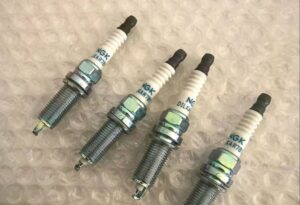
Success in removing a stuck spark plug often comes down to preparation and having the right tools. Don’t rush into this job without gathering everything you need. A little foresight can save a lot of frustration.
Gather Your Tools
- Spark Plug Socket: Make sure it’s the correct size and preferably a six-point socket, which grips the plug better and reduces the chance of stripping the hex. Magnetic or rubber-insert sockets are great for holding the plug.
- Socket Wrench and Extensions: You’ll need a robust ratchet. Various extension lengths can help you navigate tight spaces.
- Penetrating Oil: This is your best friend for a stuck plug. Brands like PB Blaster, Liquid Wrench, or WD-40 Specialist Penetrant are excellent choices.
- Compressed Air: An air compressor with a nozzle is invaluable for clearing debris from around the plug well before you start.
- Gloves and Safety Glasses: Always protect your hands and eyes.
- Torque Wrench: While not for removal, you’ll absolutely need this for proper installation of the new plugs to prevent future sticking.
- Anti-Seize Compound: Again, for installation, but crucial for preventing future headaches.
Crucial Preparations
Before you even think about touching that spark plug, there are a couple of very important steps:
- Engine Cool Down: This is paramount. Never try to remove a stuck spark plug from a hot engine. Aluminum cylinder heads are much softer when hot and more susceptible to thread damage or galling. Let the engine cool completely – overnight is ideal.
- Clean the Area: Use compressed air to blow away any dirt, debris, or carbon particles from around the spark plug wells. You don’t want these falling into the combustion chamber once the plug is loosened.
- Disconnect Battery (Optional but Recommended): While not strictly necessary for spark plug removal, disconnecting the negative battery terminal is a good general safety practice when working on engine components, especially electrical ones.
The Gentle Art of Loosening a Stuck Spark Plug
Now, let’s get into the step-by-step process of how to remove stuck spark plug gently and effectively. Remember, patience is key here. Think of yourself as a surgeon, not a mechanic trying to muscle it out.
Start with a Cold Engine
As mentioned, this cannot be stressed enough. A cold engine means the aluminum cylinder head has contracted, offering a slightly larger tolerance for the steel spark plug to move. It also reduces the risk of stripping threads.
Apply Penetrating Oil
Generously spray a good quality penetrating oil around the base of the stuck spark plug, where it meets the cylinder head. Allow it to sit and work its magic for at least 15-30 minutes, or even a few hours. Some mechanics even recommend applying it the night before. The oil needs time to seep into those microscopic gaps and break down corrosion or carbon buildup. You might even hear a faint “crack” or “pop” as it works.
The Rocking Motion Technique
This is where your touch comes in. Attach your spark plug socket and ratchet to the stuck plug. Instead of simply trying to unscrew it with brute force, try a gentle “rocking” motion. Apply slight pressure to loosen it (counter-clockwise), then slightly tighten it (clockwise), then loosen again. You’re trying to work the threads, allowing the penetrating oil to get deeper and gradually break the bond. Each time you rock it counter-clockwise, try to go just a hair further than before. The movement might be minimal at first, but with persistence, you should feel it begin to give.
Patience is Your Best Friend
Do not rush this. If you meet significant resistance, stop, apply more penetrating oil, and let it sit longer. Come back to it. Sometimes it takes several applications and multiple attempts over hours or even a day to gently persuade a truly stuck spark plug to budge. A sudden, forceful twist is much more likely to snap the plug or strip the threads, creating a much bigger problem.
Dealing with Stubborn Cases and Advanced Techniques
Sometimes, even with all the patience and penetrating oil in the world, a spark plug remains stubbornly stuck. In these cases, you might need to try a few more advanced techniques, but always proceed with extreme caution.
Heat Cycling (Use with Extreme Caution)
This is a controversial method and should only be attempted if you’re comfortable with the risks. The idea is to warm the engine slightly, allowing the aluminum head to expand, then immediately apply penetrating oil and attempt removal.
- Start the engine and let it run for just 2-3 minutes. You want it warm, not hot.
- Immediately shut off the engine.
- Apply penetrating oil generously around the stuck spark plug.
- Allow the oil to sit for 15-30 minutes, giving it time to penetrate while the head is still warm and expanded.
- Attempt the gentle rocking motion described earlier.
The risk here is that a hot aluminum head is softer and more prone to stripping threads. This method essentially uses thermal expansion to your advantage, but if overdone, it can lead to damage. Only use this if the cold engine method fails repeatedly.
Using Specialized Tools
If the plug is still refusing to budge, there are a few specialized tools you might consider, but again, use them wisely:
- Spark Plug Extractor Kits: These kits are designed for when a spark plug has already broken off, leaving part of it in the cylinder head. They typically involve drilling into the broken plug and using a tap or extractor to pull it out. This is a delicate operation and should only be attempted if you’re confident in your precision.
- Impact Driver (Low Torque Setting): A very light-duty impact driver on its lowest torque setting might be used by experienced mechanics. The rapid, pulsing action can sometimes help break the bond. However, an impact driver can also easily snap a stuck plug or strip threads if not used correctly and carefully. It’s generally not recommended for DIYers unless you have experience.
When to Call a Professional
There comes a point where it’s smarter to admit defeat and call in a professional. If you’ve tried all the gentle methods, heat cycling, and the plug still won’t move, or if you feel any part of the plug beginning to deform or strip, stop immediately. A professional mechanic has specialized tools, experience, and sometimes even endoscopic cameras to assess the situation without causing further damage. Breaking a spark plug in the head, or stripping the cylinder head threads, can lead to a costly repair involving cylinder head removal, which is a job best left to experts.
Prevention is Better Than Cure: Tips for Future Spark Plug Changes
You’ve successfully managed to remove stuck spark plug – congratulations! Now, let’s make sure you never have to deal with this headache again. Proper installation is key to preventing future spark plug woes.
Use Anti-Seize Compound
This is a game-changer, especially for spark plugs going into aluminum cylinder heads. Apply a thin, even coat of anti-seize compound to the threads of the *new* spark plug before you install it. This creates a barrier between the dissimilar metals, preventing galling, corrosion, and carbon buildup from seizing the plug. Make sure to get a type of anti-seize compatible with spark plugs, usually copper or nickel-based.
Always Torque to Spec
Forget the “hand-tight, then a quarter turn” method. Spark plugs have very specific torque specifications, which you can usually find in your vehicle’s owner’s manual or a service manual. Over-tightening is a major reason spark plugs get stuck. Invest in a good quality torque wrench and use it every single time you install spark plugs. This ensures the plug is snug enough to seal properly but not so tight that it will seize.
Change Plugs on a Cold Engine
Just as you tried to remove your stuck spark plug from a cold engine, always install new ones when the engine is cold. This reduces the risk of damaging the cylinder head threads, which are more fragile when hot and expanded.
Regular Maintenance Schedule
Don’t wait until your spark plugs are completely worn out and causing misfires. Follow your vehicle manufacturer’s recommended maintenance schedule for spark plug replacement. Changing them within their recommended lifespan (e.g., every 30,000 to 100,000 miles, depending on the plug type) prevents excessive carbon buildup and corrosion, making future removals much easier.
There you have it! Removing a stuck spark plug can be intimidating, but with the right knowledge, tools, and a healthy dose of patience, you can tackle this challenge yourself. Remember, the goal is always to apply gentle, progressive force and allow penetrating oils to do their job. Avoid brute force at all costs, as it’s the quickest path to costly repairs. By following these steps and adopting preventative measures for future changes, you’ll not only learn how to remove stuck spark plug but also ensure smoother sailing for your engine maintenance down the road. Happy wrenching!
Frequently Asked Questions
Why is my spark plug stuck in the first place?
Spark plugs often get stuck due to a combination of factors, including overtightening during installation, corrosion from moisture exposure, or carbon buildup around the threads. These issues can essentially fuse the plug to the cylinder head over time, making removal difficult.
What are the main risks of trying to remove a stuck spark plug incorrectly?
The primary risk when attempting to remove a stuck spark plug is breaking it inside the cylinder head, which can lead to costly and time-consuming repairs, potentially requiring cylinder head removal. You also risk stripping the threads in the cylinder head if excessive force is used or if the plug is removed at an incorrect angle.
What tools and materials do I need to safely remove a stuck spark plug?
You’ll typically need a quality spark plug socket (6-point preferred), a ratchet with an extension, and a high-quality penetrating oil designed for rust and carbon. Gloves, safety glasses, and a torque wrench for reinstallation are also highly recommended.
How can I try to remove a very stubborn stuck spark plug without causing damage?
Patience is crucial. Apply a generous amount of penetrating oil around the base of the stuck spark plug and allow it to soak for several hours, or even overnight. Gently rock the plug back and forth (tighten a tiny bit, then loosen a tiny bit) with consistent, increasing pressure rather than sudden force to gradually break the corrosion free.
Should I attempt to remove a stuck spark plug when the engine is hot or cold?
It’s generally recommended to attempt removal when the engine is warm, not scorching hot or completely cold. A warm engine allows the metal of the cylinder head to expand slightly, which can help loosen the grip on the spark plug threads. Avoid attempting removal on a cold engine or a very hot engine, as both can increase the risk of stripping threads or damaging the plug.
What should I do if the stuck spark plug still won’t budge after applying penetrating oil and gentle rocking?
If the spark plug remains stubbornly stuck despite your best efforts, it’s advisable to stop and consider professional assistance to avoid further damage. Persistent issues might require specialized tools, a different heating technique, or even a broken spark plug extractor kit, which are best handled by experienced mechanics.