Is your engine struggling? Recognizing bad spark plugs is crucial for your vehicle’s health, as they often manifest through unmistakable signs. Look out for a rough idle, engine misfires, noticeable loss of acceleration, and diminished fuel economy. Promptly addressing these symptoms can prevent further issues and restore optimal engine performance.
Ever had that unsettling feeling when your car just isn’t quite right? Maybe it’s a little cough at a stoplight, a reluctant surge when you hit the gas, or that annoying dashboard light that seems to mock you. It’s frustrating, isn’t it? As car owners, we all experience these moments of mechanical mystery, and often, one of the most common culprits behind these vexing issues is something deceptively small yet incredibly vital: your spark plugs.
Imagine your engine as a well-orchestrated dance of fuel and air, all ignited by a tiny, perfectly timed spark. That spark, my friend, comes courtesy of your spark plugs. When these unsung heroes start to falter, it throws the entire performance off. The good news is, your car usually tries to tell you when something’s amiss. Understanding these signs can save you a lot of headache, potential repair bills, and even help keep your engine running smoothly for years to come.
So, how do you tell if spark plugs are bad? Let’s dive into the world of these essential components and learn how to interpret your car’s subtle, and sometimes not-so-subtle, cries for help. We’ll explore the common symptoms, what to look for with your own eyes, and why ignoring these signs can lead to bigger problems down the road.
Key Takeaways
- Watch for Misfires: Engine jerks or hesitates during acceleration.
- Listen for Rough Idling: Engine vibrates or shakes excessively at a stop.
- Track Fuel Economy: Unexpected drops in MPG signal inefficiency.
- Assess Acceleration: Notice if your vehicle feels sluggish or unresponsive.
- Heed Check Engine Light: A flashing light often indicates misfires.
- Inspect Plugs Visually: Look for carbon buildup or damaged electrodes.
- Follow Service Intervals: Replace spark plugs preventatively as recommended.
📑 Table of Contents
The Heartbeat of Your Engine: What Spark Plugs Do
Before we learn how to tell if spark plugs are bad, it’s helpful to understand what they actually do. Think of your engine as a series of controlled explosions. For each explosion to happen, you need three things: fuel, air, and a spark. That third element is where the spark plug comes in. It’s essentially an electrical component that sits inside each cylinder of your engine.
Tiny Powerhouses, Big Job
When you turn the key or push the start button, a high-voltage current is sent through the spark plug. This current jumps across a small gap at the tip of the plug, creating an electrical arc – the spark! This spark ignites the compressed fuel-air mixture, causing a tiny explosion that pushes the piston down, ultimately creating the power that moves your car. It happens hundreds, even thousands, of times a minute, making spark plugs truly tiny powerhouses.
Why They Go Bad
Over time, just like any other component exposed to extreme conditions, spark plugs wear out. They constantly endure intense heat, pressure, and electrical discharges. The electrode material erodes, the gap widens, and carbon deposits can build up, all of which hinder their ability to produce a strong, consistent spark. When this happens, your engine’s delicate balance is thrown off, leading to a range of noticeable problems. It’s not a question of if they’ll go bad, but when.
Common Symptoms: How Your Car Tries to Tell You Something’s Wrong
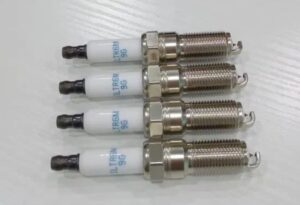
Your car is a complex machine, but it’s remarkably good at communicating when it needs attention. When it comes to how to tell if spark plugs are bad, the signs are often quite clear if you know what to listen and feel for.
The Dreaded Engine Misfire or Rough Idle
This is probably the most common and noticeable symptom of bad spark plugs. A misfire feels like a brief stumble, hesitation, or shudder from the engine, especially when you’re accelerating or idling. It can feel like your engine is briefly losing power or vibrating more than usual. When a spark plug isn’t firing correctly, the fuel-air mixture in that cylinder isn’t igniting, causing the engine to “skip a beat.” A rough idle, where the engine vibrates unevenly at a stop, is a classic sign that one or more spark plugs might be struggling.
Sluggish Acceleration and Engine Hesitation
Have you ever put your foot down on the gas pedal, expecting a smooth surge of power, only to be met with a hesitant response or a noticeable lack of zip? This sluggish acceleration is a strong indicator of bad spark plugs. If the plugs aren’t providing a consistent, powerful spark, the combustion process is incomplete, leading to less power output. Your engine feels like it’s fighting itself, struggling to build speed, and you might experience noticeable “dead spots” in power delivery.
Poor Fuel Economy
Nobody likes filling up the tank more often than they need to. If you notice yourself making more frequent stops at the gas station without any change in your driving habits, failing spark plugs could be the culprit. When spark plugs are bad, they don’t efficiently burn all the fuel in the combustion chamber. This means fuel is essentially wasted, leading to a significant drop in your miles per gallon (MPG). It’s like throwing money out the window with every incomplete combustion cycle.
Difficult Starting and Engine Cranking
Turning the key and hearing your engine crank sluggishly, or having to try multiple times before it finally catches, is a sure sign something is wrong. While a weak battery is often blamed, bad spark plugs can also make starting your car a chore. A strong spark is crucial for igniting the cold fuel-air mixture when you first start the engine. If the plugs are worn out or fouled, they might not be able to create that initial strong spark, leading to extended cranking times or even a no-start situation.
The Illumination of Your Check Engine Light
Ah, the dreaded check engine light! While it can signify a myriad of issues, a flashing or steady check engine light often illuminates when the engine control unit (ECU) detects a misfire. The ECU monitors the engine’s performance very closely, and if it senses that one or more cylinders aren’t firing correctly due to failing spark plugs, it will trigger this warning light. If your check engine light comes on, especially if it’s flashing, it’s wise to get it checked out promptly, as ignoring a flashing light can sometimes indicate a more severe issue like catalytic converter damage.
Beyond the Symptoms: Visual Inspection of Spark Plugs
One of the best ways to definitively know how to tell if spark plugs are bad is to actually pull them out and look at them. This visual inspection can reveal a lot about the health of your spark plugs and even provide clues about other engine issues.
Safety First: Before You Start
Before you attempt to remove a spark plug, ensure your engine is cool to the touch. Working on a hot engine can lead to burns and potentially damage components. Disconnect the negative terminal of your car’s battery to prevent accidental electrical issues. You’ll need a spark plug socket, an extension, and a ratchet. Take care to note which wire goes to which plug if you’re doing more than one.
What to Look For: Reading Your Plugs
Once you’ve carefully removed a spark plug, take a good look at its tip. The condition of the electrode and insulator can tell a story. Here’s a quick guide:
- Normal/Healthy Appearance: The insulator tip will be light tan or grayish-white with light electrode wear. This indicates the spark plug is working correctly and the engine is running efficiently.
- Fouled (Black/Sooty): If the tip is covered in dry, black soot, it suggests a rich fuel mixture (too much fuel, not enough air) or a weak spark. This is a common sign of a bad spark plug that isn’t burning fuel completely.
- Oil-Fouled: A wet, oily residue on the spark plug tip usually indicates oil is entering the combustion chamber. This could be due to worn piston rings, valve seals, or cylinder walls, and not necessarily a fault of the spark plug itself, though it will definitely make the spark plug perform poorly.
- Glazed/Melted (Overheating): If the insulator tip looks glazed or has a melted, blistered appearance, the spark plug has been operating at too high a temperature. This can be caused by an incorrect heat range plug, an engine running too lean (too much air, not enough fuel), or pre-ignition.
- Worn-Out Electrode: The center and ground electrodes will appear significantly eroded or rounded, and the gap will be noticeably wider than specified. This is typical wear and tear from a high-mileage spark plug and means it’s definitely time for a replacement.
Here’s a simple summary table to help you interpret what you see:
| Spark Plug Appearance | What It Tells You (Possible Issues) |
|---|---|
| Light Tan/Grayish-White | Normal operation, healthy engine |
| Dry, Black Soot | Rich fuel mixture, weak spark, worn plug, air filter issues |
| Wet, Oily Residue | Oil leak into combustion chamber (e.g., worn piston rings, valve seals) |
| Melted/Blistered Tip | Overheating, incorrect heat range, engine running lean, pre-ignition |
| Heavily Eroded Electrodes | Normal wear & tear, high mileage, time for replacement |
When to Suspect Bad Spark Plugs: Mileage and Maintenance
Knowing how to tell if spark plugs are bad isn’t just about reacting to symptoms; it’s also about proactive maintenance. Spark plugs have a lifespan, and understanding yours can prevent problems before they start.
Manufacturer Recommendations
Most car manufacturers provide recommended service intervals for spark plug replacement in your owner’s manual. These intervals can vary significantly, from as low as 30,000 miles for older vehicles with copper plugs to over 100,000 miles for newer cars equipped with iridium or platinum plugs. Sticking to these recommendations is your best bet for avoiding issues and maintaining optimal engine performance.
Impact of Driving Habits
Even if you follow the manual, your driving habits can influence how quickly spark plugs wear out. Frequent short trips, stop-and-go city driving, or aggressive driving can put more stress on your plugs and potentially shorten their lifespan. Conversely, consistent highway driving might see them last a bit longer. If you have particularly harsh driving conditions, consider checking or replacing them a little sooner than the manufacturer’s suggested interval.
Don’t Ignore It: The Risks of Driving with Bad Spark Plugs
So, you’ve learned how to tell if spark plugs are bad and you suspect yours might be struggling. It might be tempting to put off the repair, especially if the symptoms seem minor. However, ignoring bad spark plugs can lead to more significant and costly problems.
Damage to Other Engine Components
A persistent misfire from a bad spark plug can send unburnt fuel into your exhaust system. This unburnt fuel can overheat and damage your catalytic converter, a very expensive emission control component. Additionally, prolonged misfires can put extra stress on other engine parts, potentially leading to premature wear and tear or more extensive engine damage over time.
Increased Emissions
Bad spark plugs mean incomplete combustion, which in turn means your engine is producing more harmful exhaust emissions. Not only is this bad for the environment, but it can also cause your vehicle to fail emissions tests, which are required in many regions. Replacing your spark plugs ensures your engine runs cleaner and more efficiently.
Safety Concerns
While often starting as a minor annoyance, severe spark plug issues can lead to safety concerns. Engine hesitation during merging onto a highway or a complete loss of power in traffic can put you and others at risk. Reliable engine performance is crucial for safe driving, and properly functioning spark plugs are a fundamental part of that reliability.
In conclusion, knowing how to tell if spark plugs are bad is a valuable skill for any car owner. By paying attention to your car’s symptoms—like a rough idle, sluggish acceleration, or poor fuel economy—and understanding what to look for during a visual inspection, you can diagnose and address issues before they escalate. Don’t let these tiny components cause big headaches. A little proactive attention to your spark plugs can keep your engine humming smoothly, save you money on fuel, and prevent more serious repairs down the line. If you’re ever in doubt, consult with a trusted mechanic; they can quickly confirm your suspicions and get you back on the road with confidence.
Frequently Asked Questions
What are the common symptoms if spark plugs are bad?
If spark plugs are bad, you’ll likely notice several tell-tale signs such as your engine misfiring, rough idling, and poor acceleration. You might also experience a noticeable drop in fuel efficiency and difficulty starting your car, especially in cold weather.
How do bad spark plugs affect engine performance?
Bad spark plugs significantly hinder engine performance by failing to ignite the air-fuel mixture effectively, leading to incomplete combustion. This results in reduced horsepower, noticeable hesitation or stumbling during acceleration, and an overall sluggish feel when driving.
Can a visual inspection tell me if my spark plugs are bad?
Yes, a visual inspection can often reveal if your spark plugs are bad or going bad. Look for signs of excessive wear on the electrode, heavy carbon buildup, oil fouling, or a widened gap. These indicators suggest the plug is no longer functioning optimally and needs replacement.
What does a misfiring engine indicate about spark plugs?
A misfiring engine is one of the clearest indications that one or more spark plugs are bad. A misfire occurs when a cylinder fails to ignite its air-fuel mixture, often because the spark plug isn’t producing a strong enough spark or no spark at all. This can cause the engine to shake or run unevenly.
Is it safe to drive with bad spark plugs?
While you might be able to drive a short distance with bad spark plugs, it’s generally not recommended for safety or vehicle health. Driving with bad plugs can lead to further damage to your catalytic converter, increase harmful emissions, and could potentially leave you stranded due to complete engine failure.
How often should I check my spark plugs to prevent them from going bad?
You should follow your vehicle manufacturer’s recommended maintenance schedule for spark plug inspection and replacement, which typically ranges from every 30,000 to 100,000 miles depending on the type of plug. Regular checks can help identify wear early and prevent them from going completely bad, ensuring optimal engine performance and fuel economy.