Iridium spark plugs boast an exceptional lifespan, typically lasting 60,000 to 100,000 miles or even beyond, making them a superior and cost-effective choice in the long run. This remarkable durability stems from iridium’s extreme hardness and high melting point, though factors like engine type and driving habits can influence their exact longevity.
Hey there, fellow car enthusiast! Or maybe you’re just someone who wants to keep their ride running smoothly without constantly worrying about what’s under the hood. Either way, you’ve probably heard whispers about iridium spark plugs. They’re often touted as the crème de la crème of spark plug technology, promising unparalleled performance and, more importantly for many of us, incredible longevity. But how long do these wonder plugs truly last?
It’s a fantastic question, and one that often leads to a bit of head-scratching. We all know regular maintenance is key to a happy car, and spark plugs are tiny but mighty heroes in that equation. They create the spark that ignites the air-fuel mixture in your engine, a process that happens thousands of times a minute. When they wear out, your car lets you know, usually with a grumpy grumble or a sudden thirst for fuel. So, understanding the lifespan of high-performance components like iridium spark plugs isn’t just about saving money; it’s about peace of mind and keeping your engine purring like a kitten.
Let’s cut through the marketing hype and get down to the nitty-gritty. While iridium spark plugs are indeed champions of endurance, their exact lifespan isn’t a one-size-fits-all number. It’s a blend of advanced engineering, your driving habits, and a dash of good old-fashioned car care. So, buckle up, because we’re about to explore exactly what makes these plugs special and how long you can truly expect them to serve your vehicle.
Key Takeaways
- Expect extended lifespan: Iridium plugs last 60,000 to 100,000 miles.
- Consult your manual: Specific replacement intervals vary by vehicle.
- Driving habits matter: Aggressive driving shortens plug life.
- Engine health is key: Prevent issues like misfires for longevity.
- Replace proactively: Don’t wait for performance degradation or issues.
- Consider plug type: Newer cars often require iridium for optimal performance.
📑 Table of Contents
- The Magic Behind Iridium Spark Plugs: What Makes Them Special?
- So, How Long Do Iridium Spark Plugs *Actually* Last? The General Lifespan
- Key Factors That Shorten or Extend Your Iridium Plugs’ Life
- Signs It’s Time to Replace Your Iridium Spark Plugs
- Myths vs. Reality: Debunking Common Iridium Plug Misconceptions
- Estimated Spark Plug Lifespan Comparison
- Conclusion
The Magic Behind Iridium Spark Plugs: What Makes Them Special?
Before we dive into how long they last, it’s worth understanding *why* iridium spark plugs are so durable and effective. It all comes down to the material science and design.
The Material Advantage: Why Iridium?
The secret sauce of iridium spark plugs is, unsurprisingly, iridium itself. Iridium is a precious metal, incredibly hard, and boasts an exceptionally high melting point—around 4,471 degrees Fahrenheit (2,466 degrees Celsius). To put that into perspective, it’s about six times stronger and eight times harder than platinum. This incredible durability allows manufacturers to create a super-fine central electrode, sometimes as small as 0.4mm. A smaller electrode means a more concentrated spark, which in turn requires less voltage to jump the gap.
Performance Benefits: Better Ignition, Fuel Efficiency
This fine-wire design isn’t just about longevity; it significantly enhances performance. With a more focused and consistent spark, your engine experiences more efficient combustion. This translates into several tangible benefits for you:
- Improved Fuel Efficiency: A better burn means more power from less fuel.
- Smoother Idling and Acceleration: Consistent sparks prevent misfires, leading to a smoother engine response.
- Reduced Emissions: More complete combustion minimizes harmful byproducts.
- Easier Cold Starts: The strong spark helps ignite fuel even in chilly conditions.
So, when you invest in iridium spark plugs, you’re not just buying durability; you’re buying a performance upgrade that enhances your driving experience.
So, How Long Do Iridium Spark Plugs *Actually* Last? The General Lifespan
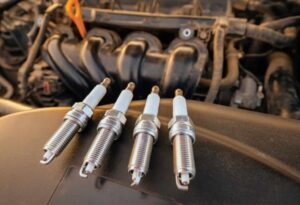
Alright, let’s get to the million-dollar question: the lifespan. The short answer? A very, very long time. The longer, more nuanced answer involves a few factors.
Manufacturer Recommendations vs. Real-World Experience
Most manufacturers recommend replacing iridium spark plugs every 100,000 to 120,000 miles. Some vehicles might even stretch that recommendation to 150,000 miles! This is significantly longer than traditional copper plugs (which typically last 20,000-40,000 miles) or even platinum plugs (60,000-80,000 miles). In the real world, these numbers generally hold true, assuming your engine is in good shape and you maintain your vehicle properly. I’ve personally seen vehicles come in for service at 100,000 miles with their original iridium spark plugs still performing admirably, albeit a bit worn.
Factors Influencing Longevity
While the 100,000+ mile benchmark is a great starting point, several things can influence whether your iridium spark plugs hit that mark or fall short:
- Driving Habits: Aggressive driving, frequent short trips, or heavy towing can accelerate wear.
- Engine Condition: A healthy engine promotes plug longevity. Issues like oil leaks or improper fuel mixtures can cause premature fouling.
- Fuel Quality: Consistent use of low-quality or adulterated fuel can leave deposits on the plugs.
- Proper Installation: Incorrectly torqued or gapped plugs can fail early.
Key Factors That Shorten or Extend Your Iridium Plugs’ Life
Let’s dig a bit deeper into those factors. Understanding them can help you maximize the life of your iridium spark plugs and avoid unexpected issues.
Driving Habits: Aggressive vs. Gentle
Think about your daily commute. Do you spend a lot of time in stop-and-go city traffic, constantly accelerating and braking? Or do you mostly cruise on the highway? Engines that experience frequent high RPMs, hard acceleration, or prolonged idling tend to put more stress on spark plugs. This leads to higher temperatures and more erosion of the electrode material. On the other hand, smooth highway driving often results in a longer life for your iridium spark plugs.
Engine Health: The Unsung Hero
Your spark plugs are part of a complex system, and their health is often a mirror of your engine’s overall condition. Issues like:
- Rich or Lean Fuel Mixtures: Can lead to carbon fouling (too rich) or overheating (too lean).
- Oil Leaks: Oil seeping into the combustion chamber can coat the plugs, causing misfires and reducing their lifespan.
- Coolant Leaks: Similar to oil, coolant can foul the plugs if it enters the combustion area.
- Excessive Carbon Buildup: Over time, deposits from combustion can accumulate on the electrodes, hindering spark production.
Keeping up with regular oil changes, using quality fuel, and addressing any “check engine” lights promptly are crucial for both your engine and your iridium spark plugs.
Fuel Quality Matters
Not all gasoline is created equal. While modern fuels are generally good, consistently using lower-quality fuel with fewer detergents can lead to deposits on your spark plug electrodes. These deposits interfere with the spark, forcing the plug to work harder and potentially shortening its lifespan.
Proper Installation and Gapping
This is often overlooked but critically important. While many iridium spark plugs come pre-gapped for specific applications, it’s always a good idea to double-check. An incorrect gap can lead to misfires or excessive wear. Furthermore, improper torque during installation can damage the plug or the cylinder head threads, leading to an ineffective seal and potential engine issues. Always use a torque wrench to ensure proper installation.
Signs It’s Time to Replace Your Iridium Spark Plugs
Even with their incredible durability, iridium spark plugs will eventually need replacing. Your car usually gives you clues, you just need to know what to listen for.
Performance Indicators
Pay attention to how your car feels:
- Rough Idling: If your engine feels shaky or vibrates more than usual when sitting still, it could be a sign of a misfire from a failing plug.
- Engine Misfires: A noticeable stumble or hesitation during acceleration. Sometimes you might even feel a jerk as the engine struggles.
- Sluggish Acceleration: Your car might feel less responsive and take longer to get up to speed.
- Decreased Fuel Economy: If you’re suddenly visiting the gas station more often, worn-out iridium spark plugs could be the culprit, as inefficient combustion wastes fuel.
- Difficulty Starting: Especially noticeable in colder weather, a weak spark can make starting your engine a chore.
Visual Inspection
When you (or your mechanic) eventually pull out an old iridium spark plug, here’s what to look for:
- Worn Electrodes: The fine tip of the central electrode might appear rounded or pitted. The ground electrode might also show signs of erosion.
- Carbon Fouling: Black, sooty deposits indicate a rich fuel mixture or oil burning.
- Oil Fouling: Shiny, black, oily deposits clearly point to oil getting into the combustion chamber.
- Blistering or Melted Appearance: This is a sign of extreme heat, often due to pre-ignition or an overly lean mixture, and can indicate more serious engine problems.
Trusting Your Gut
Sometimes, it’s just a general feeling that something isn’t quite right. If your car isn’t performing as crisply as it used to, even without obvious symptoms, it might be worth having your iridium spark plugs checked, especially if you’re approaching the recommended mileage.
Myths vs. Reality: Debunking Common Iridium Plug Misconceptions
With their long life, iridium spark plugs can sometimes generate a few myths. Let’s clear those up.
“They Last Forever”: Why That’s Not True
While exceptionally durable, no spark plug lasts forever. The process of sparking, even with iridium’s incredible hardness, causes microscopic erosion over time. Eventually, the electrode wears down, the gap widens, and the spark becomes weaker. While they last a very, very long time, they aren’t immortal.
“All Iridium Plugs Are the Same”: Brand and Quality Differences
Just like anything else, there can be variations in quality and design among different brands of iridium spark plugs. Original Equipment (OE) plugs are designed specifically for your engine and are often an excellent choice. Aftermarket plugs from reputable brands (like NGK, Denso, Bosch) are also generally very good. However, be wary of no-name or unusually cheap options, as their construction or iridium content might not be up to par, affecting both performance and lifespan.
“You Don’t Need to Check Them”: Periodic Inspection is Still Wise
Because they last so long, it’s easy to fall into the trap of “set it and forget it.” However, periodic checks—perhaps during a major service interval—can be beneficial. It allows you or your mechanic to catch potential issues early, both with the plugs themselves and with the engine conditions that might be affecting them. An early diagnosis can prevent minor issues from becoming major, costly repairs.
Estimated Spark Plug Lifespan Comparison
To help put the longevity of iridium spark plugs into perspective, here’s a general comparison of different spark plug types:
- Standard Copper Plugs: Typically 20,000 – 40,000 miles
- Platinum Plugs: Approximately 60,000 – 80,000 miles
- Double Platinum Plugs: Usually 80,000 – 100,000 miles
- Iridium Spark Plugs: Generally 100,000 – 120,000+ miles
As you can see, iridium spark plugs stand head and shoulders above the rest when it comes to durability.
Conclusion
So, how long do iridium spark plugs last exactly? The answer truly boils down to this: they are engineered for exceptional longevity, often exceeding 100,000 miles, making them a fantastic investment for your vehicle. They deliver superior performance, fuel efficiency, and a remarkably long service life compared to other types of spark plugs.
However, that impressive lifespan isn’t entirely set in stone. Your driving habits, the overall health of your engine, and even the quality of fuel you use all play a role in how many miles you’ll get out of these remarkable components. The key takeaway here is to respect their engineering, pay attention to your car’s signals, and stick to your manufacturer’s recommended maintenance schedule.
Choosing iridium spark plugs is a smart move for any driver looking for reliability and performance. They might cost a little more upfront, but their extended life and contribution to a smoother, more efficient engine usually make them well worth it in the long run. Keep your engine healthy, listen to what it tells you, and your iridium plugs will keep sparking for miles and miles to come, giving you that much-appreciated peace of mind on the road.
Frequently Asked Questions
How long do iridium spark plugs typically last in a vehicle?
Iridium spark plugs are renowned for their exceptional durability and longevity, often lasting 100,000 miles or even more under optimal driving conditions. This extended lifespan is a significant advantage, often exceeding the life of traditional copper or even platinum plugs.
What makes iridium spark plugs last so much longer than other types?
Iridium is an extremely hard, dense, and corrosion-resistant precious metal with a very high melting point, allowing manufacturers to use a finer wire center electrode. This ultra-fine tip design resists wear and erosion far better than other materials, contributing directly to their remarkable longevity and consistent spark performance.
Can poor engine conditions reduce how long iridium spark plugs last?
Yes, while durable, factors such as excessive oil consumption, persistent engine misfires, running consistently too rich or too lean, or using incorrect fuel can significantly shorten the lifespan of iridium spark plugs. These conditions can cause premature fouling, electrode damage, or rapid wear.
How will I know when it’s time to replace my iridium spark plugs?
Even with their long lifespan, signs of wear can eventually appear, including a noticeable decrease in fuel efficiency, engine misfires or rough idling, sluggish acceleration, or difficulty starting. It’s also wise to consult your vehicle’s service manual for the recommended replacement intervals for iridium spark plugs.
Are iridium spark plugs truly worth the higher initial investment for their extended life?
Many vehicle owners and mechanics consider iridium spark plugs a worthwhile investment due to their superior durability, extended service intervals, and consistent performance. While they cost more upfront, their ability to last 100,000 miles or more means fewer replacements over the vehicle’s lifetime, potentially saving on labor costs and inconvenience.
Should I replace all iridium spark plugs at the same time, even if some look okay?
It is generally recommended to replace all iridium spark plugs simultaneously, as they typically experience wear at a similar rate across all cylinders. Replacing them as a complete set ensures consistent engine performance, optimal fuel economy, and prevents potential issues that could arise from mismatched plug wear or age.