Diesel engines famously do not have spark plugs for ignition, unlike their gasoline counterparts. Instead, they rely on intense compression to ignite fuel, a process known as compression ignition. While they don’t spark, many diesels utilize glow plugs to preheat the combustion chamber, aiding in cold starts, which are distinct from spark plugs and do not provide an ignition spark.
Have you ever found yourself in a conversation about car engines, perhaps at a backyard BBQ or a local auto shop, and someone mentions “spark plugs”? It’s a common term, almost synonymous with engine maintenance. We all know engines need spark plugs, right? They’re essential for getting your car to start and run smoothly.
But then, imagine the topic shifts to diesel engines. Your friend, confidently explaining their latest DIY car repair, might pause when you ask, “So, how often do you change the spark plugs are in a diesel engine?” A blank stare, a moment of confusion, or perhaps even a chuckle might follow. This is because there’s a fundamental difference between gasoline and diesel engines that many people don’t fully understand, and it directly relates to those little ignition components.
It’s a common misconception, and you’re certainly not alone if you’ve wondered about it. Today, we’re going to clear up this confusion once and for all. We’ll dive deep into the fascinating world of diesel engines, explore how they work, and reveal the surprising truth about how many spark plugs are in a diesel. Get ready to impress your friends with your newfound engine knowledge!
Key Takeaways
- Diesel engines do not use spark plugs for combustion ignition.
- They rely on compression ignition, heating air to ignite fuel.
- Glow plugs assist cold starts, but aren’t for continuous firing.
- Fuel ignites from extreme heat generated by high compression.
- Spark plugs are unique to gasoline engines, for electrical ignition.
- Understand this fundamental difference for proper engine maintenance.
- Diesel ignition is a distinct process, not spark-driven.
📑 Table of Contents
- The Fundamental Difference: Spark vs. Compression
- How Gasoline Engines Ignite Fuel (The Spark Plug’s Role)
- The Diesel Ignition Principle: Compression Ignition
- So, How Many Spark Plugs Are In A Diesel Engine? (The Direct Answer)
- What About Glow Plugs? Understanding Their Role in Diesels
- Practical Implications for Diesel Owners (Maintenance & Troubleshooting)
The Fundamental Difference: Spark vs. Compression
To truly understand why diesel engines operate differently, we need to grasp the core distinction in how they ignite fuel. Think of it like cooking: some recipes need an external flame to start, while others rely on internal heat buildup.
Ignition Methods: Gasoline vs. Diesel
- Gasoline Engines (Spark Ignition): These engines mix fuel and air, then use a component to create a high-energy spark. This spark ignites the mixture, causing a controlled explosion that pushes the piston. It’s like lighting a match to start a campfire.
- Diesel Engines (Compression Ignition): Diesel engines have a completely different approach. They don’t rely on an external spark. Instead, they use extreme compression of air to generate immense heat. When fuel is injected into this superheated air, it ignites spontaneously. Think of it like a hand pump getting hot when you rapidly compress air inside it – that’s the principle!
How Gasoline Engines Ignite Fuel (The Spark Plug’s Role)
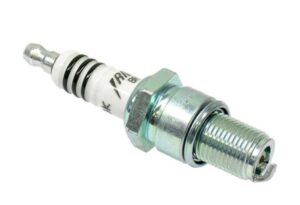
Let’s take a quick detour to understand the star of the show in gasoline engines: the spark plug. This little device is a marvel of engineering, playing a critical role in powering millions of vehicles every day.
The Anatomy of a Spark Plug
A spark plug is essentially an electrical device that fits into the cylinder head of an internal combustion engine. It has an insulated central electrode connected to a high-voltage wire from the ignition coil. A ground electrode is attached to the spark plug’s metal casing, completing the circuit when current flows.
The Sparking Process
When your gasoline engine is running, the ignition system sends a pulse of extremely high voltage (tens of thousands of volts!) to each spark plug at precisely the right moment. This voltage jumps the gap between the central and ground electrodes, creating a tiny, powerful electrical spark. This spark is what ignites the air-fuel mixture in the combustion chamber, driving the piston down and ultimately powering your car. Without a working spark plug for each cylinder, a gasoline engine simply won’t run.
The Diesel Ignition Principle: Compression Ignition
Now, let’s turn our attention back to diesel engines. Their method of ignition is the key to understanding why the question “how many spark plugs are in a diesel” is, in fact, a trick question.
Air Compression is Key
In a diesel engine, the intake stroke draws in only air (not an air-fuel mixture like gasoline engines). This air is then compressed by the piston at an incredibly high ratio – much higher than in a gasoline engine. This extreme compression causes the temperature of the air to skyrocket. We’re talking about temperatures hot enough to ignite fuel without any external help.
Fuel Injection and Auto-Ignition
Once the air is superheated, a precise amount of diesel fuel is injected directly into the combustion chamber. As the finely atomized fuel meets the scorching hot, compressed air, it spontaneously ignites. There’s no spark needed. The heat from compression is sufficient to start the combustion process. This is the fundamental reason why you won’t find traditional spark plugs are in a diesel engine.
So, How Many Spark Plugs Are In A Diesel Engine? (The Direct Answer)
Given everything we’ve just discussed, the answer to the question “how many spark plugs are in a diesel engine?” is quite straightforward and perhaps a bit anticlimactic for those expecting a number.
Zero. None. Not a single one.
That’s right. Traditional spark plugs, the kind found in gasoline engines, are entirely absent from diesel engines. Their very design, which relies on compression ignition, makes them unnecessary. There’s no electrical spark needed to ignite the fuel in a diesel engine because the extreme heat generated by compressing the air does the job.
This is a defining characteristic of diesel technology and a crucial piece of knowledge for anyone involved with vehicles. When someone asks you about changing the spark plugs are in a diesel, you can confidently tell them there aren’t any!
What About Glow Plugs? Understanding Their Role in Diesels
If diesel engines don’t have spark plugs, do they have anything similar? This is where “glow plugs” come into the picture, and they are often confused with spark plugs, leading to the misunderstanding of how many spark plugs are in a diesel. While they look a bit similar and are found in each cylinder, their function is very different.
Glow Plugs: A Starting Aid, Not an Igniter
Glow plugs are heating elements designed to assist in starting a diesel engine, especially in cold weather. When temperatures drop, the air in the cylinders might not get quite hot enough from compression alone to reliably ignite the diesel fuel, particularly when the engine is cold-soaked. This is where glow plugs step in.
How Glow Plugs Work
Before you start a diesel engine in cold conditions, electrical current is sent to the glow plugs. They quickly heat up to very high temperatures, glowing red hot (hence the name “glow plug”). This superheated tip pre-heats the air in the combustion chamber. When the engine cranks, this extra heat, combined with the heat from compression, ensures that the diesel fuel ignites quickly and efficiently, allowing the engine to start without excessive cranking.
Once the engine is running and has warmed up, the glow plugs are no longer needed. They only assist during the initial start-up phase. So, while a diesel engine does have a component in each cylinder that uses electricity and looks somewhat like a spark plug, its purpose is completely different. It’s an important distinction to remember when talking about how many spark plugs are in a diesel.
Practical Implications for Diesel Owners (Maintenance & Troubleshooting)
Understanding the absence of spark plugs and the presence of glow plugs has direct benefits for diesel engine owners. It helps in understanding maintenance schedules and troubleshooting common issues.
Maintenance Differences
- No Spark Plug Replacement: You’ll never have to worry about replacing spark plugs on a diesel engine. This saves you a maintenance item that gasoline vehicle owners regularly face.
- Glow Plug Maintenance: While not igniters, glow plugs do wear out over time. If your diesel vehicle has difficulty starting in cold weather, especially if it cranks but doesn’t catch, or produces excessive white smoke on startup, it might be time to check your glow plugs. Many diesel engines have one glow plug per cylinder, similar to how gasoline engines have one spark plug per cylinder.
- Fuel System Focus: Instead of spark plug issues, diesel owners often focus on the fuel system (injectors, fuel filter, fuel pump) and air intake, as these are critical for proper combustion.
Troubleshooting Tips
If your diesel engine isn’t starting, don’t waste time looking for or testing spark plugs. Here are some areas to check:
- Glow Plug System: Check the glow plug relay, the glow plugs themselves, and the wiring. A faulty glow plug can make cold starts difficult.
- Battery: Diesel engines require a robust battery and cranking power due to the high compression ratios. A weak battery can prevent proper starting.
- Fuel System: Ensure your fuel filter isn’t clogged, you have enough fuel, and there’s no air in the fuel lines. Fuel quality is also paramount.
- Air Intake: A restricted air filter can starve the engine of oxygen, impacting combustion.
Gasoline vs. Diesel Ignition System Components
To further clarify the distinction, here’s a simple comparison of the key components involved in starting and running a typical internal combustion engine:
| Component | Gasoline Engine (Spark Ignition) | Diesel Engine (Compression Ignition) |
|---|---|---|
| Spark Plugs | Present (one per cylinder) | Absent (zero) |
| Glow Plugs | Absent | Present (one per cylinder, for cold starts) |
| Ignition Coil/System | Essential for creating high voltage spark | Not needed for ignition (ignition coil absent) |
| Fuel Delivery | Carburetor or Fuel Injectors (mixes with air before cylinder) | High-pressure Fuel Injectors (injects directly into hot compressed air) |
| Ignition Method | Electrical spark ignites air-fuel mix | High compression heat ignites fuel |
This table clearly highlights why the question about how many spark plugs are in a diesel is based on a misunderstanding of diesel engine mechanics.
So, the next time someone asks you how many spark plugs are in a diesel, you’ll have the definitive answer: none! You can confidently explain the magic of compression ignition and the vital role of glow plugs, showcasing your deep understanding of automotive engineering. It’s a great piece of trivia and crucial knowledge for anyone who owns or works with these powerful and efficient engines. Knowing this distinction not only makes you a savvier car enthusiast but also helps you understand the unique maintenance needs of diesel vehicles, ensuring they run smoothly for years to come.
Frequently Asked Questions
How many spark plugs are in a diesel engine?
This is a common misconception! Traditional diesel engines do not use spark plugs at all for their primary combustion process. They rely on a completely different ignition method to ignite the fuel.
If diesel engines don’t use spark plugs, what do they use for ignition?
Diesel engines utilize compression ignition. Air is compressed to an extremely high degree, which drastically increases its temperature and ignites the finely atomized diesel fuel injected directly into the combustion chamber.
Why don’t diesel engines need spark plugs like gasoline engines?
The fundamental difference lies in their combustion cycles. Gasoline engines require a spark to ignite a pre-mixed air-fuel charge, whereas diesel engines ignite fuel solely through the intense heat generated by extreme air compression.
What are glow plugs and are they the same as spark plugs in a diesel?
Glow plugs are specifically found in diesel engines, but they are not the same as spark plugs. Their purpose is to pre-heat the combustion chamber in cold weather, helping to raise the air temperature sufficiently for reliable compression ignition during startup, not to create a spark for continuous combustion.
Do any modern diesel engines or diesel hybrids use spark plugs?
No, pure diesel engines, even modern ones or those found in hybrid configurations, do not use spark plugs for their primary combustion. If a vehicle labeled “diesel hybrid” somehow incorporated spark plugs, it would be for a separate gasoline engine component within the hybrid system, not the diesel engine itself.
What kind of maintenance is required for a diesel engine’s ignition system, if not spark plugs?
Since diesel engines don’t have spark plugs, their “ignition system” maintenance typically focuses on glow plugs and the fuel injection system. Glow plugs, like any electrical component, can wear out and may need replacement to ensure easy and reliable cold starts.