Replacing spark plugs typically costs between $40 and $150 for parts and labor for most vehicles, though more complex engines or luxury cars can significantly increase the expense. Your final bill will depend on factors like your vehicle’s make/model, engine type, and whether you opt for DIY or professional installation. Don’t neglect this essential maintenance, as timely replacement ensures optimal fuel efficiency and engine performance.
That familiar rumble, the subtle hesitation when you press the accelerator, or perhaps even a flashing “Check Engine” light on your dashboard – these are the subtle whispers (or sometimes shouts!) from your car telling you something isn’t quite right. Often, these symptoms point to a common, yet crucial, component: your spark plugs. As soon as you suspect an issue, a natural question pops into your mind: “Oh no, what’s this going to cost me?”
You’re not alone in that thought. We’ve all been there, wondering about the potential repair bill lurking around the corner. Replacing spark plugs is a routine maintenance item, but the spark plug installation cost can vary wildly. It’s not as simple as a flat fee, and understanding the different factors involved can save you stress and money.
This post is your friendly guide to demystifying the expense. We’ll explore exactly how much does it cost to install spark plugs, breaking down everything from parts to labor, and giving you practical tips to navigate the process with confidence. By the end, you’ll be well-equipped to understand the quotes you receive and make an informed decision about your car’s care.
Key Takeaways
- DIY Saves Significantly: Eliminate labor costs by doing it yourself.
- Labor Drives Cost: Professional installation costs are mostly labor.
- Expect $100-$400 Total: Average professional installation cost range.
- Plug Cost Is Minor: Spark plugs themselves are relatively inexpensive parts.
- Vehicle Type Matters: Complex engines mean higher labor costs.
- Shop Around Locally: Compare quotes for best installation prices.
- Preventive Care Pays: Regular replacement avoids costly engine issues.
📑 Table of Contents
- Understanding Your Spark Plugs: More Than Just a Spark
- The Core of the Cost: Parts vs. Labor
- Factors That Drive Up or Down Your Spark Plug Installation Cost
- A Look at the Numbers: Average Spark Plug Replacement Costs
- DIY vs. Professional Installation: Weighing Your Options
- Smart Strategies to Save on Spark Plug Installation
Understanding Your Spark Plugs: More Than Just a Spark
Before we dive into the numbers, it’s helpful to understand what these small, unassuming components actually do for your car. They are absolutely vital for your engine’s operation.
What Do Spark Plugs Actually Do?
Imagine your engine as a well-orchestrated explosion chamber. For that explosion to happen, you need three things: fuel, air, and a spark. Spark plugs are responsible for delivering that precisely timed electrical spark that ignites the air-fuel mixture in your engine’s combustion chambers. This ignition is what creates the power to move your car. If the spark is weak, inconsistent, or non-existent, your engine simply won’t run efficiently, or won’t run at all.
Signs It’s Time for a Replacement
Your car is pretty good at telling you when its spark plugs are struggling. Pay attention to these common symptoms:
- Engine Misfires or Rough Idling: This is perhaps the most common sign. Your engine might feel like it’s sputtering or shaking, especially when stationary.
- Poor Fuel Economy: If your gas mileage suddenly takes a hit, worn spark plugs could be the culprit, as the engine isn’t burning fuel efficiently.
- Difficulty Starting: A weak spark means your engine has to work harder to turn over, leading to longer cranking times.
- Lack of Acceleration: Your car might feel sluggish, lacking its usual power when you try to speed up.
- Check Engine Light: Modern cars often throw a “Check Engine” light for various reasons, and misfiring spark plugs are a frequent cause. A diagnostic scan can confirm this.
When Should They Be Replaced?
The replacement interval largely depends on your vehicle manufacturer’s recommendations and the type of spark plugs installed.
- Copper Spark Plugs: These are the most basic and typically need replacement every 30,000 miles.
- Platinum Spark Plugs: A step up, these can last around 60,000 miles.
- Iridium Spark Plugs: These are the longest-lasting, often rated for 100,000 miles or more, thanks to their extremely durable material.
Always check your car’s owner’s manual for the precise recommended interval. Ignoring these intervals can lead to degraded performance and potentially more expensive issues down the road.
The Core of the Cost: Parts vs. Labor
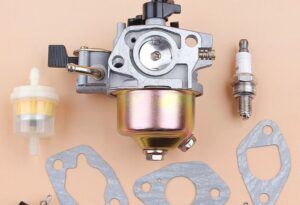
When you ask how much does it cost to install spark plugs, you’re essentially asking about two main components: the cost of the spark plugs themselves (parts) and the cost for someone to put them in (labor).
The Cost of Spark Plugs Themselves
The price of spark plugs varies quite a bit depending on their material and your vehicle’s requirements.
- Copper Plugs: These are the cheapest, typically ranging from $2 to $10 per plug.
- Platinum Plugs: Mid-range, usually $5 to $15 per plug.
- Iridium Plugs: The most expensive, often $10 to $25 per plug. While more costly upfront, their extended lifespan often makes them a wise long-term investment.
You also need to consider how many cylinders your engine has. A 4-cylinder car will need 4 plugs, a 6-cylinder needs 6, and an 8-cylinder needs 8. So, if your V8 needs iridium plugs, your parts bill alone could be $80 to $200.
Labor Charges: Where the Real Variation Happens
This is usually the biggest variable in the total spark plug installation cost. Mechanic labor rates typically range from $75 to $150+ per hour, but the total labor time can differ dramatically based on your car.
- Accessibility: Some engines are designed with easy access to the spark plugs, making it a quick job (often 1-2 hours). Others, especially V6 or V8 engines where the rear plugs might be tucked under an intake manifold, can be a major undertaking, requiring several hours (3-6+ hours) of disassembly and reassembly. Horizontally opposed (boxer) engines, common in Subarus, can also present accessibility challenges.
- Seized Plugs: Older vehicles or those with neglected maintenance might have spark plugs that have seized in the cylinder head. Removing these without damaging the engine can be time-consuming and sometimes requires specialized tools or techniques, adding to labor.
- Coil Packs/Ignition Wires: Often, when spark plugs are replaced, especially on older cars, the mechanic might recommend replacing ignition wires or coil packs at the same time. While not always necessary, if they are old or failing, it’s a good preventative measure that adds to the overall cost.
Factors That Drive Up or Down Your Spark Plug Installation Cost
Many elements contribute to the final bill. Understanding these will help you anticipate the expense.
Vehicle Make and Model
It’s no surprise that luxury cars or vehicles with complex engine designs often have a higher spark plug replacement cost. A BMW or Mercedes might cost more to service than a Honda Civic, not just for parts but also because their engines often require more specialized knowledge or tools for access.
Engine Configuration
As mentioned, the number of cylinders directly impacts the number of spark plugs needed. Beyond that, the engine’s layout is crucial. For instance:
- Inline 4-Cylinder: Generally the easiest and cheapest, as all plugs are usually easily accessible on top of the engine.
- V6 or V8 Engines: Often, plugs on one bank of cylinders are easily accessible, while the other bank (especially the rear bank in transverse-mounted V-engines) might be hidden under the intake manifold, significantly increasing labor time.
- Boxer Engines (e.g., Subaru): These can be tricky because the plugs are located on the sides of the engine, tucked away in the engine bay, making them harder to reach.
Type of Spark Plugs Chosen
This is a direct factor in your parts cost. While going for the cheapest copper plugs might seem appealing initially, remember their shorter lifespan. For many modern vehicles, platinum or iridium plugs are recommended or even required by the manufacturer to ensure optimal performance and longevity.
Geographic Location of the Shop
Just like real estate, labor rates vary by region. A mechanic in a high cost-of-living urban area will likely charge more per hour than one in a rural town. This can significantly influence the overall spark plug installation cost.
Shop Reputation and Expertise
Dealerships often charge the highest labor rates but offer factory-trained technicians and genuine OEM parts. Independent garages usually have more competitive pricing while still providing quality service. Mobile mechanics can sometimes offer convenience and lower overhead, but always verify their credentials and insurance.
A Look at the Numbers: Average Spark Plug Replacement Costs
So, let’s get down to some concrete examples to illustrate how much does it cost to install spark plugs.
Typical Cost Ranges for Common Vehicles
Keep in mind these are estimates and can vary based on the factors discussed above.
- 4-Cylinder Vehicle (e.g., Honda Civic, Toyota Corolla, Hyundai Elantra):
- Parts: $20 – $80 (for 4 plugs)
- Labor: $50 – $150 (relatively easy access, 1-1.5 hours)
- Total Estimated Cost: $70 – $230
- V6 Vehicle (e.g., Toyota Camry V6, Ford F-150 V6, Honda Pilot):
- Parts: $30 – $150 (for 6 plugs)
- Labor: $150 – $400 (can be more complex, 2-4 hours, especially if intake manifold removal is needed)
- Total Estimated Cost: $180 – $550
- V8 Vehicle (e.g., Ford Mustang GT, Chevrolet Silverado, Dodge Challenger):
- Parts: $40 – $200 (for 8 plugs)
- Labor: $200 – $600+ (can be quite involved, 3-6+ hours)
- Total Estimated Cost: $240 – $800+
What to Expect for Parts and Labor
In summary, a general breakdown of the spark plug replacement cost might look like this:
- Parts (Spark Plugs Only): $20 – $200 (depending on number of cylinders and plug type)
- Labor: $50 – $600+ (depending on vehicle complexity and shop rates)
- Overall Average Total: $80 – $800+
For more complicated or luxury vehicles, the total cost could even exceed $800. Always get a detailed quote that separates parts and labor.
DIY vs. Professional Installation: Weighing Your Options
You might be wondering if you can tackle this job yourself to save on the spark plug installation cost. The answer depends on your comfort level and your car.
When DIY Makes Sense
If you have some mechanical aptitude, a good set of tools, and your vehicle has an easily accessible engine (like many older 4-cylinder cars), changing spark plugs can be a straightforward DIY project. There are countless online tutorials and videos that can guide you step-by-step. You’d save significantly on labor costs, paying only for the parts.
Tips for DIY:
- Always use a torque wrench to tighten spark plugs to the manufacturer’s specifications. Overtightening can damage the engine, and undertightening can cause misfires.
- Ensure the engine is cool before starting.
- Use dielectric grease on the spark plug boot to prevent moisture and make future removal easier.
- Replace one plug at a time to avoid mixing up ignition wires or coil packs.
When to Call a Professional
For vehicles with complex engine layouts, tight spaces, or a history of seized spark plugs, professional installation is almost always the safer bet. Pros have specialized tools, experience with different engine types, and the knowledge to handle unexpected complications. The peace of mind and the warranty on their work are often worth the additional cost.
If you’re unsure, or if your vehicle shows signs of difficult access, don’t hesitate to consult a professional. It’s better to pay for labor than to cause significant engine damage trying to save a few dollars.
Hidden Dangers of DIY Mistakes
While saving money is great, common DIY mistakes can be costly:
- Cross-threading: Installing a plug crookedly can strip the threads in the cylinder head, requiring expensive repairs.
- Overtightening: Can crack the spark plug or damage the cylinder head.
- Breaking a Plug: Especially with older, seized plugs, attempting to remove them with too much force can break them off in the cylinder head, leading to a much more involved and costly repair.
- Dropping Debris: Accidentally dropping dirt or tools into the open spark plug holes can lead to internal engine damage.
Smart Strategies to Save on Spark Plug Installation
Even if you opt for professional installation, there are ways to be a smart consumer and potentially reduce your overall spark plug replacement cost.
Shop Around for Quotes
Don’t settle for the first estimate you get. Call a few different reputable shops (dealerships, independent mechanics, specialized repair shops) and compare their quotes. Be specific about your car’s year, make, model, and engine type.
Consider Independent Mechanics
While dealerships offer brand-specific expertise, independent mechanics often have lower overhead and can offer more competitive pricing for the same quality of work. Look for shops with good reviews and certifications.
Bundle Services
If your car is due for other maintenance items (like an oil change, air filter replacement, or tire rotation), ask if the shop offers a discount for bundling services. Sometimes, doing multiple tasks at once can save you a bit on labor.
Supply Your Own Parts (with Caution)
Some mechanics allow you to purchase and bring your own spark plugs, which can save you a little money if you find a good deal online. However, be aware that many shops will not warranty parts you provide, only the labor. Discuss this with your mechanic beforehand.
Regular Maintenance Prevents Costly Problems
The best way to save money on spark plug installation is to stick to your vehicle’s recommended maintenance schedule. Replacing plugs before they become severely worn or seized can prevent more complex and expensive issues down the line.
In conclusion, understanding how much does it cost to install spark plugs involves looking at parts, labor, and the unique characteristics of your vehicle. While prices can range from under $100 for a simple DIY job on an accessible engine to over $800 for a complex professional replacement, being informed empowers you to make the best decision for your car and your wallet. Don’t let a small spark plug issue turn into a big headache – proactive maintenance is always your best bet!
Frequently Asked Questions
What is the average cost to install spark plugs?
The average spark plug installation cost typically ranges from $100 to $300 for both parts and labor. This can vary significantly based on your vehicle’s make and model, as well as the specific type of spark plugs required.
What factors influence the spark plug installation cost?
Several key factors affect the cost, including the number of spark plugs (usually 4, 6, or 8), their type (standard, platinum, iridium), and your vehicle’s engine design. More complex engines, like those with coil-on-plug systems or difficult access, will increase the labor time and thus the overall cost to install spark plugs.
Can I save money by installing spark plugs myself, or should I hire a professional?
While a DIY installation can save you labor costs, it requires specific tools, mechanical knowledge, and the ability to correctly identify and access the plugs. Improper installation can lead to costly engine damage, making professional service a worthwhile investment for most car owners.
How long does it typically take to install spark plugs, and does this affect the price?
Installing spark plugs can take anywhere from 30 minutes to 3 hours, depending on the vehicle’s engine accessibility and complexity. Generally, longer installation times directly translate to higher labor costs, significantly impacting the final spark plug installation cost you’ll pay.
Why does the cost to install spark plugs vary so much between different car models?
The significant cost variation stems primarily from differences in engine design and accessibility. Some engines require extensive disassembly of other components to reach the spark plugs, increasing labor time and complexity compared to more easily accessible configurations in other car models.
What exactly is included in the spark plug installation cost I pay at a mechanic?
Typically, the spark plug installation cost includes the price of the new spark plugs themselves and the labor for their removal and proper replacement. It may also cover a basic inspection of related ignition components, such as coil packs or spark plug wires, to ensure optimal performance.