Unlock optimal engine performance by understanding that spark plug replacement frequency isn’t fixed, but depends heavily on your car’s make, model, and the type of spark plugs installed. While traditional copper plugs may need changing every 30,000 miles, modern platinum or iridium plugs can last significantly longer, often 60,000 to 100,000 miles or more. Always consult your vehicle’s owner’s manual for the most accurate recommendations to ensure peak efficiency and avoid costly engine issues.
Ever found yourself staring at your car’s maintenance schedule, scratching your head, and wondering about those little components called spark plugs? It’s a common dilemma. We all want our cars to run smoothly, be reliable, and not drain our wallets at the gas pump. But sometimes, the details of vehicle maintenance can feel like a secret language, especially when it comes to something as specific as spark plugs.
You’ve likely heard they need changing, but how often do you need to change spark plugs exactly? Is it every other oil change? Once a decade? Does it depend on your car’s age, your driving style, or the phase of the moon? You’re not alone in these questions. Many car owners ponder this crucial maintenance task, and getting it right can make a significant difference to your vehicle’s health and your driving experience.
Well, good news! Today, we’re going to unlock that secret together. We’ll dive deep into the world of spark plugs, understand their vital role, decipher the signals your car sends when they’re worn, and give you clear, actionable advice on how often do you need to change spark plugs to keep your ride purring like a kitten. Let’s get started!
Key Takeaways
- Consult Your Manual: Always prioritize your vehicle’s owner’s manual for exact intervals.
- Know Plug Types: Copper plugs need changing more often than platinum or iridium.
- Watch for Warning Signs: Misfires, rough idle, or poor MPG demand immediate inspection.
- Don’t Delay: Proactive replacement prevents costly engine issues and maintains performance.
- Consider Driving Habits: Frequent short trips or towing can shorten spark plug lifespan.
- Benefits Are Clear: Timely changes restore power, improve fuel economy, and reduce emissions.
📑 Table of Contents
- What Do Spark Plugs Actually Do? (And Why They Matter So Much)
- Understanding Spark Plug Lifespan: It’s Not One-Size-Fits-All
- The Telltale Signs: When Your Spark Plugs Are Crying for Help
- Factors That Influence Spark Plug Longevity
- The Benefits of Timely Spark Plug Replacement
- Practical Tips for Spark Plug Maintenance and Replacement
- Conclusion
What Do Spark Plugs Actually Do? (And Why They Matter So Much)
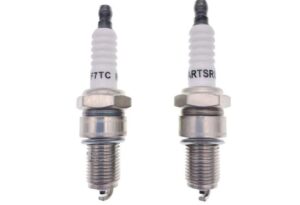
Before we talk about replacement intervals, let’s briefly touch on what these small but mighty parts actually do. Think of your engine as a sophisticated machine that needs a little “kick” to get things going. That kick comes from your spark plugs.
The Heartbeat of Your Engine
In a nutshell, spark plugs are responsible for igniting the air-fuel mixture in your engine’s combustion chambers. They create a tiny, controlled spark, much like a miniature lightning bolt, which causes an explosion. This explosion pushes the pistons, turning the crankshaft, and ultimately powering your car down the road. Without a strong, consistent spark, your engine simply wouldn’t run, or at least, it wouldn’t run well. They are, quite literally, the heartbeat of your engine’s combustion cycle.
Understanding Spark Plug Lifespan: It’s Not One-Size-Fits-All
The answer to “how often do you need to change spark plugs” isn’t a single number that applies to every car. It largely depends on the type of spark plug your vehicle uses. Modern spark plugs are designed to last a long time, but their materials play a huge role in their longevity.
Different Materials, Different Mileage
There are generally three main types of spark plugs:
- Copper Spark Plugs: These are the traditional choice and often the least expensive. They have a copper core electrode, which is an excellent conductor of electricity. However, copper is a softer metal, so it wears down faster.
- Platinum Spark Plugs: Platinum is more durable than copper. These plugs usually have a platinum disc welded to the center electrode, offering better wear resistance and a longer lifespan.
- Iridium Spark Plugs: Iridium is one of the hardest metals, making iridium spark plugs the most durable and longest-lasting option. They typically feature a fine-wire iridium tip on the center electrode.
Here’s a general guide to how often do you need to change spark plugs based on their material:
| Spark Plug Type | Typical Change Interval (Miles) | Notes |
|---|---|---|
| Copper | 30,000 – 50,000 | Good conductivity, but wears faster. Often found in older vehicles. |
| Platinum | 60,000 – 80,000 | Improved durability over copper, a common OEM choice. |
| Double Platinum | 80,000 – 100,000 | Platinum on both electrodes for even longer life, often in coil-on-plug systems. |
| Iridium | 100,000+ | Highest durability and longest lifespan, common in modern high-performance engines. |
Always check your car’s owner’s manual! The manufacturer’s recommendation is the definitive answer for how often do you need to change spark plugs in your specific vehicle.
The Telltale Signs: When Your Spark Plugs Are Crying for Help
Your car is pretty good at communicating when something isn’t right. Worn-out spark plugs send clear signals that they’re ready for retirement. Learning to recognize these signs can help you prevent bigger problems down the road and answer the question of how often do you need to change spark plugs for your vehicle’s current condition.
Listen to Your Car
- Engine Misfires or Rough Idling: Does your engine feel like it’s stumbling or shaking, especially when you’re stopped at a light? This “rough idle” or feeling of hesitation (a misfire) is a classic sign of a spark plug struggling to ignite the fuel.
- Reduced Fuel Economy: If you find yourself filling up at the gas station more often than usual, worn spark plugs could be the culprit. An inefficient spark means your engine has to work harder, burning more fuel to achieve the same power.
- Slow Acceleration or Lack of Power: When you press the gas pedal, does your car feel sluggish? If your vehicle isn’t accelerating with its usual pep, especially uphill or when passing, it might be due to weak sparks not delivering optimal combustion.
- Difficulty Starting: While many things can cause hard starting, weak spark plugs might not be able to generate the strong, consistent spark needed to get your engine roaring to life quickly.
- Check Engine Light: The dreaded “Check Engine” light can illuminate for many reasons. If it comes on and you’re experiencing any of the above symptoms, it’s a good idea to have your spark plugs checked. A diagnostic scanner can often pinpoint a misfire to a specific cylinder, indicating a problem with that plug.
Ignoring these signs doesn’t just make your drive less pleasant; it can also lead to more serious and expensive engine damage over time. Understanding how often do you need to change spark plugs based on these symptoms is vital.
Factors That Influence Spark Plug Longevity
Even with high-quality iridium plugs, certain factors can shorten their lifespan. It’s not just about mileage; it’s also about how your car is driven and maintained.
Beyond the Mileage Marker
- Driving Habits: Frequent stop-and-go city driving puts more stress on spark plugs than steady highway cruising. Short trips also don’t allow the engine to reach optimal operating temperature, which can lead to carbon buildup on the plugs.
- Engine Condition: Issues like oil leaks or a rich/lean air-fuel mixture can cause spark plugs to foul or wear prematurely. For instance, too much oil getting into the combustion chamber can coat the plug, preventing it from sparking effectively.
- Fuel Quality: Using lower-quality fuel or fuel with additives that aren’t ideal for your engine can also impact spark plug health over time.
- Aggressive Driving: Constantly pushing your engine to high RPMs or heavy acceleration can increase the demand on spark plugs, leading to faster wear.
Considering these factors helps you refine your understanding of how often do you need to change spark plugs in your particular situation, even if your mileage is low.
The Benefits of Timely Spark Plug Replacement
Changing your spark plugs when they’re due isn’t just about fixing a problem; it’s about preventative maintenance that offers significant advantages for your vehicle and your wallet.
Reap the Rewards
- Improved Fuel Efficiency: New, clean spark plugs create a more efficient combustion, meaning your engine uses less fuel to produce the same power. This translates directly to savings at the gas pump!
- Smoother Engine Performance: Say goodbye to rough idling, hesitation, and sluggish acceleration. Fresh spark plugs restore your engine’s original smoothness and responsiveness.
- Reduced Emissions: An engine that burns fuel more completely produces fewer harmful emissions, which is better for the environment and can help your car pass emissions tests.
- Easier Starting: A strong, consistent spark ensures your engine starts quickly and reliably, especially in colder weather.
- Extended Engine Life: By ensuring efficient combustion, you reduce strain on other engine components and prevent potential damage that can arise from prolonged misfires. It’s a small investment that protects a much larger one.
So, how often do you need to change spark plugs? Often enough to enjoy these benefits!
Practical Tips for Spark Plug Maintenance and Replacement
Now that you know the signs and the benefits, let’s talk about the practical side of maintaining and replacing your spark plugs.
Your Spark Plug Action Plan
- Consult Your Owner’s Manual: We can’t stress this enough. Your car’s manufacturer knows best. It will tell you the specific type of spark plug and the recommended interval for replacement. This is the definitive guide for how often do you need to change spark plugs for your car.
- Inspect Regularly: Even if your plugs aren’t due for replacement, a quick visual inspection during other maintenance (like an oil change) can reveal issues like fouling or excessive wear. This might prompt an earlier change.
- DIY vs. Professional: Replacing spark plugs can be a DIY job for some, especially in simpler engines. However, modern engines can have plugs in hard-to-reach places, requiring specialized tools or knowledge to avoid damage. If you’re unsure, or if your engine has coil-on-plug ignition, it’s often best to trust a professional. They’ll ensure the correct plugs are installed and torqued properly.
- Choose the Right Plugs: Always replace spark plugs with the type recommended by your vehicle manufacturer. Using the wrong type can lead to poor performance or even engine damage. Don’t cheap out on this critical component!
Understanding how often do you need to change spark plugs is just the first step; taking action based on that knowledge is what truly keeps your car healthy.
Conclusion
So, what’s the secret to how often do you need to change spark plugs? It’s not really a secret at all! It’s a combination of knowing your car’s manufacturer recommendations, understanding the different spark plug types, paying attention to the signals your vehicle gives you, and considering your driving habits. While modern spark plugs are designed for impressive longevity, they are still wear-and-tear items critical to your engine’s performance.
By staying on top of your spark plug replacement schedule, you’re not just performing routine maintenance; you’re investing in better fuel economy, smoother performance, and the overall longevity of your beloved vehicle. Don’t let those little igniters be forgotten! Give them the attention they deserve, and your car will thank you with many more miles of happy, efficient driving.
Frequently Asked Questions
How often should I change my spark plugs under normal conditions?
Generally, most manufacturers recommend changing spark plugs every 30,000 to 100,000 miles, depending on the vehicle and the type of plug installed. Always consult your car’s owner’s manual for the most accurate maintenance schedule specific to your model.
What factors influence how often you need to change spark plugs?
Several factors can affect spark plug lifespan, including your vehicle’s make and model, engine type, and the quality of the spark plugs themselves (e.g., copper, platinum, iridium). Your driving habits, such as frequent short trips or aggressive driving, can also accelerate wear and necessitate earlier replacement.
What are the common signs that indicate it’s time to change spark plugs?
You might notice symptoms like a rough engine idle, misfires, difficulty starting your car, or reduced fuel economy when your spark plugs are worn out. A noticeable decrease in acceleration power is another strong indicator that replacement may be overdue.
Do different types of spark plugs have different replacement intervals?
Yes, absolutely. Traditional copper spark plugs typically require replacement every 20,000-40,000 miles, while platinum spark plugs can last 60,000-80,000 miles. Iridium spark plugs, known for their durability, often have the longest lifespan, sometimes exceeding 100,000 miles before needing to be changed.
What are the risks of not changing spark plugs when recommended?
Delaying spark plug replacement can lead to various engine problems, including decreased fuel efficiency, engine misfires, and even damage to other ignition components. Over time, severely worn spark plugs can cause catalytic converter failure, which is a very costly repair.
Can my driving style affect how often I need to change spark plugs?
Yes, your driving style plays a significant role in spark plug wear. Aggressive driving, frequent short trips, or prolonged idling can put more stress on the plugs, causing them to degrade faster. Conversely, consistent highway driving might allow them to last closer to the upper end of their recommended lifespan.