Optimizing your spark plug gap is essential for maximizing engine performance, fuel efficiency, and overall reliability. This precise adjustment, easily achieved with a gapping tool and adherence to manufacturer specifications, prevents misfires and ensures peak combustion, giving your vehicle a noticeable boost in power and smoothness.
Have you ever noticed your car just doesn’t feel quite right? Maybe it shudders a bit at idle, seems thirstier for gas than usual, or just lacks its old pep. It’s frustrating when your trusted ride isn’t performing its best, and sometimes, the solution lies in a surprisingly small but mighty component: your spark plugs. Specifically, the tiny space between their electrodes, known as the spark plug gap.
Most of us know spark plugs are vital for starting our engines. They create the spark that ignites the fuel-air mixture, making everything go. But what many don’t realize is that the precise distance of this gap is crucial for optimal ignition. It’s not a “set it and forget it” kind of deal, and a slightly off spark plug gap can lead to a host of performance issues that sneak up on you over time.
Don’t worry, adjusting your spark plug gap isn’t a job reserved for professional mechanics. With the right tools and a little patience, it’s a DIY task you can tackle yourself. Learning how to properly adjust your spark plug gap can significantly improve your engine’s performance, fuel economy, and overall health. Let’s dive in and get your engine sparking perfectly!
Key Takeaways
- Always check manual: Verify your vehicle’s specific spark plug gap setting first.
- Use correct tools: A feeler gauge and gap tool are essential for accuracy.
- Widen gap carefully: Gently pry the ground electrode with your gapping tool.
- Narrow gap gently: Tap the ground electrode on a firm, non-abrasive surface.
- Achieve optimal performance: Correct gap ensures a strong spark, improving efficiency and power.
- Adjust new plugs: Always verify and adjust gap on new spark plugs before installation.
- Incorrect gap harms: Misfires, reduced power, and poor fuel economy result from wrong gap.
📑 Table of Contents
Understanding the Importance of Your Spark Plug Gap
Imagine trying to light a campfire with a spark that’s too weak or too wild. It just won’t work well, right? The same principle applies to your engine’s combustion. The spark plug gap is that tiny, precise space, and it dictates the quality of the spark that ignites the fuel-air mixture in your engine’s cylinders.
What is the Spark Plug Gap?
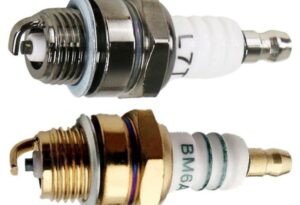
In simple terms, the spark plug gap is the distance between the center electrode and the ground electrode of your spark plug. The center electrode sends out the electrical charge, and the ground electrode receives it, completing a circuit and creating a spark. This spark happens thousands of times a minute while your engine is running.
Why Does the Gap Matter for Your Engine?
Think of it like this: that tiny spark is responsible for creating a powerful explosion that drives your engine’s pistons. For this explosion to be efficient and complete, the spark needs to be just right. Here’s why the spark plug gap is so important:
- Optimal Combustion: A correctly gapped spark plug produces a strong, consistent spark. This ensures the fuel-air mixture ignites completely, leading to efficient combustion.
- Preventing Misfires: If the gap is too wide, the electrical current might struggle to jump across. This can lead to a “misfire,” where the fuel mixture doesn’t ignite. Your engine will then run roughly.
- Avoiding Pre-Ignition: If the gap is too narrow, the spark might be too weak or occur at the wrong time. This can cause the fuel to ignite prematurely, known as pre-ignition, which can damage engine components over time.
- Fuel Efficiency: A well-adjusted spark plug gap means your engine is burning fuel more efficiently. This directly translates to better gas mileage and more money in your pocket.
- Engine Power and Smoothness: With proper ignition, your engine can deliver its intended power and run much smoother, especially at idle.
Over time, normal engine operation causes the electrodes to wear down. This wear gradually widens the spark plug gap, which is why periodic inspection and adjustment (or replacement) are so important for maintaining peak performance.
Signs Your Spark Plug Gap Might Be Off
Your car often tells you when something isn’t right, even if it’s just in subtle ways. Paying attention to these clues can save you headaches and costly repairs down the road. If your spark plug gap is incorrect, your engine will definitely let you know.
Common Symptoms to Watch For
Have you ever felt your car just wasn’t running as smoothly as it used to? Here are some of the telltale signs that an incorrect spark plug gap might be the culprit:
- Rough Idle: Your engine might shake or vibrate more than usual when you’re stopped at a light. It feels uneven, like it’s struggling to maintain a steady rhythm.
- Engine Misfires: This is a more pronounced symptom. You might feel a distinct jerk or hesitation from the engine, especially during acceleration. It feels like the engine “skips a beat.” Sometimes, your “Check Engine” light might even come on.
- Decreased Fuel Economy: If your engine isn’t burning fuel efficiently, it will consume more gas to do the same amount of work. You’ll notice more frequent trips to the gas station.
- Lack of Acceleration/Power: Your car might feel sluggish or slow to respond when you press the accelerator. It just doesn’t have the same oomph it once did.
- Difficulty Starting: If the spark is too weak or inconsistent, your engine might crank longer before it finally catches, or it might struggle to start at all.
- Poor Emissions: An incomplete burn can also lead to higher emissions, which could be an issue during vehicle inspections.
If you’re experiencing any of these issues, checking and adjusting your spark plug gap is a great place to start your troubleshooting. It’s a relatively easy fix that can yield significant improvements.
Gathering Your Tools: What You’ll Need
Before you dive into adjusting your spark plug gap, it’s super important to have all the right tools on hand. There’s nothing worse than getting halfway through a job and realizing you’re missing something crucial! Think of it like cooking: you wouldn’t start a recipe without all the ingredients.
Essential Spark Plug Gap Tools
Here’s a checklist of what you’ll need to successfully measure and adjust your spark plug gap:
- Spark Plug Gap Gauge: This is the star of the show! There are two main types:
- Coin-Style Gauge: A simple, round disc with various thicknesses around its edge. It’s good for quick checks.
- Wire-Style Gauge: This gauge has multiple wires of precise diameters. It’s often preferred by mechanics because it gives a more accurate measurement and is less likely to damage the center electrode. Many also have a small tab for gently bending the ground electrode.
Make sure your chosen gauge measures in both inches and millimeters.
- Spark Plug Socket Wrench: Spark plug sockets are special; they often have a rubber insert inside to protect the ceramic insulator of the spark plug and hold it securely. You’ll need the correct size for your spark plugs (common sizes are 5/8″, 13/16″, or 14mm).
- Ratchet and Extension: To attach to your spark plug socket. An extension is usually needed to reach down into the spark plug wells.
- Torque Wrench: Absolutely essential for reinstalling spark plugs. Overtightening can strip threads or damage the spark plug, while undertightening can cause poor contact or allow heat to escape incorrectly.
- New Spark Plugs (Optional but Recommended): If your current spark plugs are old or worn, it’s often better to just replace them. You can then adjust the gap on the new ones before installation.
- Dielectric Grease: (Optional but highly recommended) Apply a small amount to the inside of the spark plug boot (the part that connects to the spark plug). It helps prevent moisture intrusion, corrosion, and makes future removal easier.
- Anti-Seize Compound: (Optional but highly recommended) If your vehicle has aluminum cylinder heads, apply a tiny amount to the spark plug threads. This prevents the spark plugs from seizing in the head due to dissimilar metals and heat. *Always check your spark plug manufacturer’s instructions, as some pre-coated plugs do not require anti-seize.*
- Gloves and Shop Rags: For cleanliness and protection.
Having these tools ready will make the process smooth and hassle-free. It’s a small investment for better engine performance and peace of mind!
The Step-by-Step Guide to Adjusting Your Spark Plug Gap
Now that you know why the spark plug gap is so important and you have your tools ready, it’s time to get hands-on. Remember, patience and precision are your best friends here. Let’s walk through the process together.
Safety First!
Before you touch anything under the hood, always prioritize safety:
- Engine Off and Cool: Make sure your engine is completely turned off and has had plenty of time to cool down. Working on a hot engine can cause burns.
- Disconnect Battery (Optional but Recommended): For some jobs, especially if you’re working with electrical components, disconnecting the negative terminal of your battery can prevent accidental sparks or damage. For spark plug replacement/gapping, it’s less critical unless you’re unsure or prefer extra caution.
Removing the Old Spark Plugs (if replacing, or for inspection)
If you’re replacing your spark plugs, you’ll need to remove the old ones first. If you’re just checking and adjusting the gap on existing plugs, you’ll still need to remove them from the engine.
- Locate Spark Plugs: They are usually found on top of the engine, often under ignition coils or spark plug wires.
- Remove Wires/Coils: Carefully disconnect the spark plug wires or remove the ignition coils. If you have wires, label them to ensure they go back in the correct order. Coils usually have a small electrical connector and a bolt holding them in.
- Clean Around Plugs: Before removing the plugs, use compressed air or a brush to clear any dirt or debris from around the spark plug wells. This prevents crud from falling into the combustion chamber.
- Unscrew Spark Plugs: Using your spark plug socket and ratchet, carefully loosen and remove each spark plug. Turn counter-clockwise. Be gentle; avoid applying excessive force, especially when breaking them loose.
Finding the Right Gap Specification
This is arguably the most critical step. Your vehicle manufacturer specifies the ideal spark plug gap for your engine. This isn’t a guess; it’s a precise measurement tailored to your engine’s design. Where to find it:
- Owner’s Manual: Your vehicle’s owner’s manual is the best source.
- Under-Hood Sticker: Some vehicles have a sticker under the hood (often on the radiator shroud or near the engine bay) that lists basic tuning specs, including the spark plug gap.
- Service Manual or Online Databases: For more detailed information, a vehicle-specific service manual or reputable online automotive databases can provide the exact specification.
Always use the manufacturer’s recommended gap. Do not guess or use a generic setting.
Measuring the Current Gap
Take your new (or removed) spark plug and your gap gauge:
- For Wire-Style Gauge: Select the wire that matches your specified gap. Gently slide it between the center and ground electrodes. It should fit snugly but without forcing it. If it slides through too easily, the gap is too wide. If it doesn’t fit at all, the gap is too narrow.
- For Coin-Style Gauge: Slide the edge of the gauge into the spark plug gap. The point where the gauge touches both electrodes as it passes through indicates the current gap measurement. Again, it should feel like a slight drag.
Note down the measurement, even if it’s new, as sometimes plugs come pre-gapped but might still need minor adjustment or could have been damaged in shipping.
Making the Adjustment
This requires a delicate touch. You’re only bending the ground electrode (the hooked piece that curves over the center electrode).
- To Widen the Gap: Use the small notch or hook on your gap gauge (or a small, flat tool) to gently pry up the ground electrode. Work slowly and in small increments. Re-measure frequently.
- To Narrow the Gap: Gently tap the ground electrode against a clean, hard surface (like your workbench). Use very light taps. Avoid hitting the center electrode. Re-measure frequently.
Never try to bend the center electrode. It’s fragile and can easily break, ruining the spark plug. Be patient and aim for precision.
Installing Spark Plugs Correctly
Once your spark plug gap is perfectly set, it’s time to put them back in.
- Apply Anti-Seize/Dielectric Grease (if using): A tiny dab of anti-seize on the threads (if recommended) and dielectric grease inside the spark plug boot/coil connector.
- Hand-Tighten First: Thread the spark plug into the cylinder head by hand. This helps prevent cross-threading. It should screw in smoothly without resistance.
- Torque to Specification: Use your torque wrench to tighten the spark plugs to the manufacturer’s specified torque. This is critical. Overtightening can strip threads or crack the plug’s ceramic insulator, while undertightening can cause engine problems.
- Reconnect Wires/Coils: Reattach the spark plug wires or ignition coils, ensuring they click into place and are in the correct order.
Common Pitfalls and Troubleshooting Tips
Even with careful steps, things can sometimes go awry. Knowing what to watch out for can save you a lot of frustration and potential damage. Adjusting your spark plug gap is straightforward, but it’s easy to make small mistakes if you’re not paying attention.
Over-Gapping or Under-Gapping
One of the most common mistakes is not getting the spark plug gap precisely right. Remember, even a few thousandths of an inch can make a difference.
- Too Wide: If the gap is too wide, the spark may struggle to jump across, leading to misfires, rough idling, and reduced power. The ignition coil also has to work harder, potentially shortening its lifespan.
- Too Narrow: A gap that’s too small can create a weaker spark, resulting in incomplete combustion, poor fuel economy, and increased emissions. It might also lead to carbon buildup on the electrodes.
Tip: Always double-check your gap measurement multiple times after adjusting. Use the ‘feel’ method with the gauge: it should slide in with a slight drag, not too loose and not too tight.
Damaging the Electrode
The electrodes, especially the fragile center electrode, can be damaged if you’re not careful. This is a common pitfall:
- Bending the Center Electrode: Never pry against the center electrode to adjust the gap. It’s often made of brittle ceramic or fine wire and can easily break. Always adjust by bending only the ground electrode.
- Applying Too Much Force: When widening or narrowing the gap, use gentle, controlled movements. Aggressive bending can weaken the metal of the ground electrode, causing it to break off later inside your engine (which would be very bad!).
Tip: Use a wire-style gap gauge or a dedicated spark plug gapping tool, as they often have a small lever specifically designed to safely bend the ground electrode.
Incorrect Torque
This is a big one that many DIYers overlook. Spark plugs need to be tightened to a very specific torque setting. Your owner’s manual will have this spec.
- Too Loose: An undertightened spark plug won’t make good contact with the cylinder head, leading to poor heat transfer. This can cause the plug to overheat and eventually fail. It can also vibrate loose, creating a compression leak or even being ejected from the cylinder head (rare, but possible!).
- Too Tight: Overtightening can strip the threads in the cylinder head (a very expensive repair!), crack the spark plug’s ceramic insulator, or deform the metal shell, affecting the spark plug gap you just meticulously set.
Tip: Always use a torque wrench! If you don’t have one, it’s a worthwhile investment for any serious DIY mechanic. When installing, thread the plug in by hand until it’s snug, then use the torque wrench to apply the final, precise torque.
When to Seek Professional Help
While adjusting the spark plug gap is a manageable DIY task, there are times when it’s best to call in the experts:
- If You’re Unsure: If you feel uncomfortable at any point or are not confident in your ability to perform the task correctly, don’t hesitate to consult a mechanic. It’s always better to be safe than sorry.
- Persistent Issues: If you’ve gapped new spark plugs correctly and are still experiencing misfires or poor performance, there might be a deeper underlying issue with your ignition system, fuel system, or engine.
- Complex Engines: Some modern engines have very intricate designs, making access to spark plugs difficult or requiring specialized tools beyond the basics.
Understanding these common issues will help you approach the task with confidence and avoid potential setbacks, leading to a perfectly running engine!
The Benefits of a Perfectly Gapped Spark Plug
After all that meticulous work, you might be wondering, “Was it really worth it?” The answer is a resounding yes! The benefits of taking the time to correctly adjust your spark plug gap are tangible and will make a noticeable difference in how your car feels and performs.
Improved Fuel Efficiency
When your spark plugs fire optimally, your engine achieves a more complete burn of the fuel-air mixture. This means less wasted fuel and more energy extracted from every drop of gas. You’ll likely notice fewer trips to the pump and more miles per gallon, saving you money in the long run.
Smoother Engine Operation
An engine with a properly gapped spark plug will run more smoothly and consistently. That rough idle you might have been experiencing? Gone. The hesitant acceleration? A thing of the past. Your engine will purr, providing a much more pleasant driving experience.
Increased Engine Power and Responsiveness
With a strong, consistent spark ensuring optimal combustion, your engine can deliver its full intended power. You’ll feel a more immediate response when you hit the accelerator, making for a more engaging and capable drive. This means better acceleration and more confidence when you need to merge or pass.
Extended Spark Plug Life
While wear is inevitable, a correctly gapped spark plug works less “hard” to create a spark. This reduces stress on the electrodes and the ignition coils, potentially extending the lifespan of both the spark plugs and other ignition components. It’s a small adjustment that can prevent premature wear and save on future replacement costs.
Here’s a general guide to typical spark plug gap ranges, but remember to always consult your vehicle’s specific owner’s manual for the exact measurement.
| Vehicle Type (General) | Typical Spark Plug Gap Range (Inches) | Typical Spark Plug Gap Range (Millimeters) |
|---|---|---|
| Older Vehicles (Carbureted/Early EFI) | 0.030 – 0.040 | 0.76 – 1.02 |
| Modern EFI Vehicles (Standard) | 0.040 – 0.050 | 1.02 – 1.27 |
| Performance/Turbocharged Vehicles | 0.025 – 0.035 (Often smaller for high boost) | 0.64 – 0.89 |
| Important: Always consult your vehicle’s owner’s manual or service guide for the precise spark plug gap specification. These ranges are for general reference only. | ||
Taking the time to ensure your spark plug gap is spot-on is a simple maintenance task that pays dividends in engine health, performance, and your driving satisfaction. It’s one of those small adjustments that truly makes a big difference.
So there you have it! Adjusting your spark plug gap might seem like a small detail, but as you’ve learned, it has a huge impact on your engine’s overall health and performance. From smoothing out a rough idle to putting more power under your foot and saving you money at the gas pump, a correctly gapped spark plug is essential for any well-running vehicle.
Don’t be intimidated by this task. With the right tools, a bit of patience, and a careful hand, you can confidently check and adjust your spark plug gap yourself. It’s a rewarding experience to know you’ve contributed to your car’s optimal performance, and it empowers you to understand your vehicle better. So go ahead, give your spark plugs the attention they deserve, and enjoy the improved drive!
Frequently Asked Questions
Why is it important to adjust the spark plug gap?
Adjusting the spark plug gap ensures optimal engine performance and fuel efficiency. A correctly gapped spark plug creates the ideal spark for complete combustion, leading to smoother idling and improved power output.
How do I find the correct spark plug gap specification for my vehicle?
The correct spark plug gap is usually specified in your vehicle’s owner’s manual or on an under-hood emission sticker. You can also consult a repair manual or the spark plug manufacturer’s website for your specific engine and plug type.
What tools are required to adjust a spark plug gap?
To accurately adjust the spark plug gap, you will primarily need a spark plug gapping tool or a set of feeler gauges. Some gapping tools include a small hook to widen the gap and a flat edge to narrow it, ensuring precise adjustments.
What is the proper technique for adjusting the spark plug gap?
To adjust the spark plug gap, carefully insert the correct size feeler gauge between the center and ground electrodes. If the gap is too small, gently bend the ground electrode outwards using the gapping tool’s hook; if it’s too large, carefully tap the ground electrode on a hard surface to close the gap slightly.
What are the consequences of an incorrect spark plug gap?
An incorrect spark plug gap can lead to several engine problems, including misfires, reduced fuel economy, and a loss of engine power. If the gap is too wide, the spark may be too weak or non-existent; if too narrow, the spark might be too small or fouled easily.
Should I adjust the spark plug gap on new spark plugs?
Yes, it’s always a good practice to check and adjust the spark plug gap on new spark plugs, even if they are pre-gapped. Shipping and handling can sometimes alter the gap, and verifying it ensures they meet your engine’s precise specifications right out of the box.