Changing spark plugs and wires is an accessible DIY project that will dramatically improve your vehicle’s performance and fuel efficiency. This article guides you through every step, from identifying worn components to correctly gapping new plugs and ensuring a safe, proper installation. Empower yourself to tackle this essential maintenance and enjoy a smoother, more responsive engine.
Ever felt that slight shudder in your car? Maybe a hesitation when you press the gas, or a nagging feeling that your fuel efficiency just isn’t what it used to be? These subtle cues are often your vehicle’s way of telling you it needs a little TLC, and more often than not, the culprits are your spark plugs and wires. While the idea of delving under the hood can feel intimidating, changing these vital components is a surprisingly straightforward DIY project that can save you a significant amount of money and empower you with a deeper understanding of your car.
Think of your car’s engine as its heart. The spark plugs are like tiny igniters, creating the crucial spark that ignites the air-fuel mixture, powering your vehicle forward. And the spark plug wires? They’re the critical conduits, delivering the high voltage from your ignition coils to those very spark plugs. When these components start to wear out – and they inevitably do – your engine’s performance suffers, leading to a host of frustrating issues. But don’t fret! With a little guidance and the right tools, you’ll be able to tackle this maintenance task with confidence, restoring your car’s smooth purr and efficient performance.
This comprehensive guide will walk you through everything you need to know about changing spark plugs and wires, from understanding why it’s important to a step-by-step breakdown of the process. We’ll share practical tips, address common challenges, and help you master this essential car repair easily. Get ready to roll up your sleeves and give your car the refresh it deserves!
Key Takeaways
- Prioritize Safety: Always disconnect the battery before starting work.
- Gather Tools First: Have all necessary tools and new parts ready.
- One-By-One Method: Replace wires and plugs individually to prevent mix-ups.
- Gap Plugs Accurately: Verify and adjust spark plug gap for optimal performance.
- Lubricate Properly: Apply anti-seize and dielectric grease for future ease.
- Torque Correctly: Tighten new spark plugs to manufacturer specifications.
- Inspect Old Parts: Examine old plugs for clues about engine health.
📑 Table of Contents
Why Changing Spark Plugs and Wires Matters (and When to Do It)
Your spark plugs and wires are not just arbitrary parts; they are fundamental to your engine’s operation. Over time, spark plugs wear down, their electrodes corroding and widening the gap, which makes it harder for them to generate a strong, consistent spark. Similarly, spark plug wires can degrade, crack, or become brittle, leading to electrical resistance and “leakage” of voltage. Keeping these components in top condition ensures optimal engine performance and fuel economy.
Signs Your Spark Plugs Need Attention
- Rough Idle: If your engine feels shaky or vibrates excessively when idling, worn spark plugs might be struggling to ignite fuel consistently.
- Engine Misfires: A noticeable stumble or jolt from the engine, especially during acceleration, indicates a misfire. This often triggers the check engine light.
- Poor Acceleration: Your car might feel sluggish or lack its usual “pep” when you accelerate.
- Decreased Fuel Economy: If you’re filling up more often than usual, inefficient combustion due to bad spark plugs can be the culprit.
- Check Engine Light: A flashing or solid check engine light can sometimes point to ignition system issues, including failing spark plugs or wires.
Manufacturer Recommendations
Most car manufacturers provide specific service intervals for spark plugs. These can vary widely:
- Copper Spark Plugs: Typically need replacement every 30,000 miles.
- Platinum and Iridium Spark Plugs: These longer-lasting plugs can go anywhere from 60,000 to 100,000 miles, sometimes even more.
It’s always best to check your vehicle’s owner’s manual for precise recommendations. When you replace your spark plugs, it’s often a good idea to inspect and potentially replace your spark plug wires at the same time, especially if they look worn.
The Role of Spark Plug Wires
Spark plug wires are high-tension cables that transmit thousands of volts from the ignition coil (or distributor in older vehicles) to the spark plugs. They are insulated to prevent voltage from escaping. Over time, the insulation can crack, fray, or become brittle due to heat and age. This can lead to “spark leak,” where the electricity jumps to ground instead of reaching the spark plug, causing misfires and poor performance. If your wires look cracked, are stiff, or show signs of arcing (burnt spots), it’s definitely time for a new set of spark plug wires.
Gathering Your Tools and Supplies
Before you dive in, having all your tools and parts ready makes the job much smoother. It’s like preparing for a cooking adventure – you wouldn’t want to realize halfway through that you’re missing a key ingredient!
Essential Tools You’ll Need
- Ratchet: A 3/8-inch drive ratchet is common.
- Spark Plug Socket: Usually 5/8-inch or 13/16-inch, with a rubber insert to protect the plug and hold it firmly. Make sure it’s deep enough!
- Extension Bar: Various lengths to reach recessed plugs.
- Torque Wrench: Crucial for tightening new plugs to the manufacturer’s specifications, preventing overtightening (which can damage the cylinder head) or undertightening (which can cause leaks).
- Spark Plug Gap Gauge: A wire-type gauge is best for checking the gap, especially for conventional spark plugs (platinum and iridium plugs often come pre-gapped, but it’s good to check without forcing the gap).
- Dielectric Grease: Applied inside spark plug boots to prevent voltage leaks and make future removal easier.
- Anti-Seize Compound: Applied to the threads of new spark plugs (especially in aluminum heads) to prevent them from seizing in the cylinder head.
- Wire Brush or Compressed Air: To clean around the spark plug wells before removal.
- Gloves and Safety Glasses: Always protect your hands and eyes.
- Flashlight: To illuminate dark engine compartments.
- Pliers (optional): For stubborn wire boots.
Choosing the Right Spark Plugs and Wires
This is where precision matters. Using the wrong spark plugs and wires can cause performance issues or even damage your engine.
- Vehicle-Specific Parts: Always buy spark plugs and spark plug wires that are specifically designed for your car’s make, model, and engine. Your owner’s manual or a reputable auto parts store’s catalog will provide this information.
- Spark Plug Material:
- Copper: Good conductivity, but wear fastest.
- Platinum/Double Platinum: Longer lasting, good for engines with coil-on-plug systems or wasted spark.
- Iridium/Double Iridium: Longest lasting, often factory-installed in modern engines, excellent performance.
Stick with the type recommended by your manufacturer.
- Spark Plug Wires: Purchase a complete set of spark plug wires. They come in specific lengths and configurations for your engine’s firing order.
Tip: When buying your new spark plugs and wires, ask for OEM (Original Equipment Manufacturer) quality or equivalent. Sometimes, aftermarket brands can vary in quality.
Safety First: Preparing Your Vehicle
Safety is paramount when working on any vehicle. Taking a few moments to properly prepare your car can prevent injuries and make the job much safer and easier.
Basic Safety Precautions
- Engine Off and Cool: Never work on a hot engine. Hot metal can cause severe burns, and heat can make it harder to handle tools. Let your engine cool down completely for at least an hour, or until it’s cool to the touch.
- Disconnect Battery: To prevent accidental sparks or electrical shock, disconnect the negative terminal of your car’s battery. Use a wrench to loosen the clamp and pull the cable away from the terminal.
- Wear Protective Gear: Always wear gloves to protect your hands from grease and sharp edges, and safety glasses to shield your eyes from debris.
- Work in a Well-Ventilated Area: Ensure you have plenty of fresh air, especially if you’re using any cleaning sprays.
Locating Your Spark Plugs and Wires
Your spark plugs are usually located on top of the engine (for V-configuration engines) or on the side of the engine block (for inline engines). They are typically covered by the spark plug wires or individual coil packs (in newer vehicles). The wires will run from the distributor (older cars) or coil pack(s) directly to each spark plug.
- Inline Engines (e.g., 4-cylinder): Spark plugs and wires are often visible in a row on one side of the cylinder head.
- V-Configuration Engines (e.g., V6, V8): Spark plugs and wires will be on both sides of the engine, typically tucked under intake manifolds or valve covers.
Tip: If your engine has a plastic cover, you’ll need to remove it first to access the spark plugs and wires. Often, these covers are held on by a few bolts or simply pop off.
The Step-by-Step Spark Plug and Wire Replacement Process
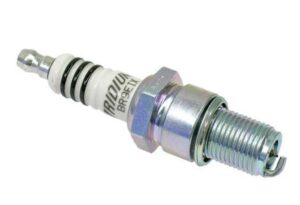
Now for the main event! The key here is to work on one spark plug and wire at a time. This prevents you from mixing up the firing order, which can cause significant engine problems. Think of it as a methodical, careful dance.
Removing Old Spark Plug Wires
This is where the “one at a time” rule is critical.
- Start with Cylinder #1: Identify the first cylinder’s spark plug wire.
- Disconnect the Wire: Grasp the boot (the rubber or plastic cap) of the spark plug wire, not the wire itself, and twist gently while pulling upwards. If it’s stubborn, a pair of spark plug wire removal pliers can help.
- Trace and Disconnect from Coil/Distributor: Follow that specific wire back to where it connects to the ignition coil or distributor cap and disconnect it there, again by pulling the boot.
Practical Tip: Take a photo of the wire routing before you start. This is your blueprint for putting the new wires back in the correct order and path.
Extracting the Old Spark Plugs
Once the wire is off, you can access the spark plug itself.
- Clean the Area: Before removing the plug, use a wire brush or compressed air to clean any dirt or debris around the spark plug well. You don’t want grime falling into the combustion chamber.
- Insert Spark Plug Socket: Place your spark plug socket with the extension onto the spark plug. Push down firmly to ensure it’s seated correctly.
- Unscrew the Plug: Attach your ratchet and turn counter-clockwise to loosen the spark plug. If it’s very tight, apply steady, firm pressure. You might hear a “creaking” sound, which is normal.
- Remove the Plug: Once loose, you should be able to unscrew it by hand or with the socket. The rubber insert in the socket will hold the plug, allowing you to lift it out of the well.
Inspect Old Plugs: Take a moment to look at the old spark plug. Its condition can tell you a lot about your engine’s health (e.g., carbon buildup, oil fouling, blistering). There are many guides online for “reading” spark plugs.
Preparing and Installing New Spark Plugs
This is where you install the new heart of your engine.
- Check the Gap (if necessary): While many new spark plugs come pre-gapped, it’s good practice to double-check with your gap gauge. Refer to your owner’s manual for the correct gap specification. For platinum and iridium plugs, be very gentle; if the gap needs adjustment, use the gapping tool on the ground electrode only, never pry against the center electrode.
- Apply Anti-Seize: Put a tiny dab of anti-seize compound on the threads of the new spark plug. A little goes a long way – you don’t want it dripping onto the electrode.
- Hand-Thread the New Plug: Carefully lower the new spark plug into the well. Start threading it by hand to avoid cross-threading. If it doesn’t turn easily, stop, back it out, and try again. Cross-threading can severely damage your cylinder head.
- Torque the Plug: Once hand-tight, use your torque wrench to tighten the spark plug to the manufacturer’s recommended specification. This is crucial for proper sealing and preventing damage.
Connecting New Spark Plug Wires
Now, connect the arteries!
- Apply Dielectric Grease: Put a small amount of dielectric grease inside the boots of the new spark plug wire. This helps seal out moisture and makes future removal easier.
- Attach to Spark Plug: Push the new spark plug wire boot firmly onto the new spark plug until you feel and hear a positive click or snap. Ensure it’s fully seated.
- Connect to Coil/Distributor: Route the new spark plug wire along the same path as the old one and connect it to its corresponding terminal on the ignition coil or distributor. Again, ensure a firm connection.
Repeat for Remaining Cylinders: Continue this “one at a time” process for all the remaining spark plugs and wires.
Troubleshooting Common Issues and Post-Installation Tips
Even with careful planning, things can sometimes go awry. Knowing what to look for can save you a lot of headache.
What to Do If Things Go Wrong
- Cross-Threading: If a spark plug feels like it’s binding or getting unusually tight when you’re hand-threading it, STOP immediately. Remove the plug and inspect the threads on both the plug and the cylinder head. Forcing it will strip the threads, leading to a costly repair.
- Broken Plug: In rare cases, an old spark plug can break while being removed. If this happens, you might need special tools or professional help to extract the broken piece without damaging the engine.
- Engine Misfires After Replacement: If your engine runs rough or misfires after changing the spark plugs and wires, double-check:
- All Connections: Ensure all spark plug wires are fully seated on both ends.
- Firing Order: Verify that the spark plug wires are connected to the correct cylinder and coil/distributor terminals. Refer to your owner’s manual or a repair diagram for your specific vehicle.
- Gap: Re-check the gap on the new spark plugs.
Checking Your Work and Test Drive
- Double-Check Everything: Before starting the engine, take one last look around. Are all spark plug wires connected? Is the battery reconnected? Are all tools cleared from the engine bay?
- Start the Engine: Turn the key. Listen for any unusual noises. The engine should start smoothly and idle evenly.
- Monitor Dash Lights: Make sure the check engine light is off. If it was on before due to spark plugs and wires, it should now be off (though some vehicles require a few drive cycles for it to reset).
- Test Drive: Take your car for a short test drive. Pay attention to acceleration, idling, and overall engine smoothness. You should notice an immediate improvement!
Tip: Keep your old spark plugs and wires for a few days. If you experience any issues, you can compare them to the new ones or even temporarily reinstall an old component to diagnose a problem.
Conclusion: You Did It!
Congratulations! You’ve successfully learned how to change your spark plugs and wires. You’ve not only saved yourself money by doing it yourself but also gained invaluable experience and confidence in maintaining your vehicle. That initial shudder or sluggish feeling should now be a distant memory, replaced by the smooth, responsive performance of a well-tuned engine.
Taking care of these vital components ensures better fuel economy, a more reliable engine, and a smoother driving experience. This project might seem daunting at first, but by following these steps, you’ve proven that car maintenance isn’t just for mechanics. So next time your car gives you a hint, you’ll know exactly how to listen and respond. Happy driving!
Frequently Asked Questions
How often should I change my spark plugs and wires?
This typically depends on your vehicle’s manufacturer recommendations, usually found in your owner’s manual. Conventional spark plugs generally last 30,000-50,000 miles, while platinum or iridium plugs can last 60,000-100,000 miles or more. Wires are often inspected at the same time and replaced if showing signs of wear or damage, or if they reach around 50,000 miles.
What are the common signs that I need to change my spark plugs and wires?
Look out for symptoms like a rough idle, engine misfires, reduced fuel economy, slow acceleration, or your “Check Engine” light illuminating. These are strong indicators that your old spark plugs and wires might be failing and hindering your engine’s performance, leading to power loss and increased emissions.
Is changing spark plugs and wires a difficult DIY task for a beginner?
For many vehicles, changing spark plugs and wires is a manageable DIY task, especially for those with basic mechanical skills and the right tools. However, some engines have spark plugs that are harder to access, requiring more specialized tools or experience. Always consult a service manual specific to your car before starting to understand the exact procedure.
What tools will I need to successfully change my spark plugs and wires?
Essential tools include a spark plug socket (specifically for your plug size), a ratchet, various extensions, and often a torque wrench for proper tightening. You might also need a spark plug gapping tool, a wire puller, and dielectric grease for reassembly, along with basic hand tools like pliers.
Do I need to gap new spark plugs, and why is it important?
Yes, gapping new spark plugs to your vehicle’s specifications is crucial for optimal engine performance, efficient combustion, and good fuel economy. While many plugs come “pre-gapped,” it’s always best to double-check and adjust them with a gapping tool to ensure the correct spark length for your engine’s requirements.
Is there a specific order I should follow when changing spark plug wires?
Absolutely! It’s vital to change spark plug wires one at a time to avoid mixing up the firing order, which can cause severe engine misfires or even damage. Labeling or taking a picture of the current setup before you start can be a huge help to ensure correct reinstallation and avoid engine problems.