Safely and quickly installing spark plugs is a straightforward DIY task when you follow essential steps. Always begin by ensuring the engine is cool and the battery is disconnected, then proceed with the correct tools and torque specifications. This attention to detail guarantees a smooth installation, preventing damage and restoring optimal engine performance.
How to Easy Steps How to Install Spark Plugs Safely Quickly
Why This Matters / Understanding the Problem
Ever had your car feel a little sluggish? Maybe it’s chugging a bit, or the gas mileage isn’t what it used to be. It’s frustrating, right? I’ve been there. Often, the culprit is something surprisingly simple: your spark plugs.
These small but mighty parts are crucial. They create the spark that ignites the fuel-air mixture in your engine. When they’re worn out, your engine struggles. It can lead to poor performance, increased emissions, and even costly damage if left unchecked.
The good news? Replacing them isn’t as daunting as it sounds. Learning the easy steps how to install spark plugs safely quickly can save you a trip to the mechanic and put that money back in your pocket. Trust me, it’s a super satisfying DIY project!
What You Need
When I first thought about tackling spark plugs, I pictured needing a whole garage full of specialized equipment. Turns out, it’s pretty minimal. Here’s a quick list of what you’ll want to have on hand:
- New Spark Plugs: Make sure they are the correct type for your vehicle. Check your car’s manual or an auto parts store.
- Spark Plug Socket: Usually 5/8″ or 13/16″. Get one with a rubber insert to grip the plug.
- Ratchet and Extension: To reach those plugs hidden deep in the engine bay.
- Torque Wrench: Absolutely essential for tightening to the correct specification. Don’t skip this!
- Dielectric Grease: For the inside of the spark plug boots. This helps prevent moisture and makes removal easier next time.
- Anti-Seize Compound: For the threads of the new spark plugs, especially if they aren’t pre-coated.
- Spark Plug Gapper: Only if your new plugs aren’t pre-gapped, or if your car’s manual specifies a different gap.
- Wire Brush or Compressed Air: To clean around the old plugs before removal.
- Gloves and Safety Glasses: Your hands and eyes will thank you.
- Old Blanket or Fender Covers: To protect your car’s paint.
Step-by-Step Guide to Easy Steps How to Install Spark Plugs Safely Quickly
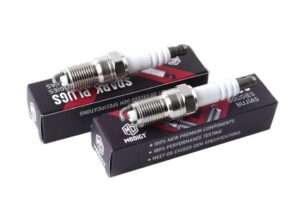
Alright, let’s get into the nitty-gritty. Follow these steps carefully, and you’ll be done in no time. This is how I approach the task, ensuring everything goes smoothly.
Step 1: Safety First & Prepare Your Workspace
Before you even think about touching anything, safety is key. First, make sure your engine is cool. Trying to work on a hot engine is uncomfortable and dangerous. Then, disconnect your car’s negative battery terminal. This prevents accidental sparks.
Next, take a moment to clean around the spark plug wells. Use compressed air or a brush. You don’t want any dirt or debris falling into the engine cylinders once the old plugs are out. That’s a mess nobody wants!
Step 2: Remove Spark Plug Wires or Coil Packs
This is where you need to be organized. If your car has traditional spark plug wires, remove them one at a time. Pull only on the boot, not the wire itself. Mark each wire and its corresponding cylinder with tape or a numbering system. This prevents mixing them up later, which can cause real headaches.
Many modern cars have coil-on-plug systems. These are small ignition coils directly on top of each spark plug. Carefully disconnect their electrical connectors and then unbolt and remove the coil packs. Again, work one plug at a time to avoid confusion.
Step 3: Extract the Old Spark Plugs
Now for the main event! With your spark plug socket and extension, carefully place it over the old spark plug. Turn your ratchet counter-clockwise to loosen it. If it feels stuck, apply steady, firm pressure. You might hear a slight crunching sound as the threads break loose – that’s often normal.
Slowly unscrew the plug all the way. The rubber insert in your spark plug socket will help hold it as you lift it out. Be gentle; you don’t want to drop anything into the cylinder.
Step 4: Inspect the Old Plugs
Don’t just toss the old plugs! Take a quick look at them. Their appearance can tell you a lot about your engine’s health. For instance, a very dark, sooty plug might indicate a rich fuel mixture. A white, blistered plug could point to an engine running too hot. This is a great diagnostic trick I learned early on.
Step 5: Prepare the New Spark Plugs
First, check the gap. Some new spark plugs come pre-gapped, but it’s always good to verify with a spark plug gapper, comparing it to your car’s specifications. Adjust if necessary, but be gentle with the electrode.
Next, apply a small amount of anti-seize compound to the threads of the new plug. This prevents them from seizing in the cylinder head later. Just a thin coat is enough. For the rubber boot of your coil pack or spark plug wire, apply a dab of dielectric grease inside. This helps create a good seal and makes future removal easier.
Step 6: Install the New Spark Plugs
This is a crucial step for ensuring your easy steps how to install spark plugs safely quickly pay off. First, start the new plug by hand. Thread it into the cylinder head carefully, rotating clockwise. You should be able to turn it several rotations without resistance. If it binds, stop immediately! You might be cross-threading it, which can damage the cylinder head. Back it out and try again.
Once it’s hand-tight, grab your torque wrench. Set it to your car’s specified torque (check your manual!). Tighten the spark plug until the torque wrench clicks. Over-tightening can damage the plug or the cylinder head, so trust the click!
Step 7: Reconnect Wires or Coil Packs
Work backwards now. Reinstall the coil packs, ensuring they seat properly and are bolted down. Reconnect their electrical connectors firmly. If you have wires, push the spark plug boots securely onto the new plugs until you feel them click. Double-check all connections to ensure they are snug and in the correct order.
Step 8: Test Your Work
Reconnect the negative battery terminal. Start your car. Listen for a smooth idle. Take it for a short test drive to ensure everything feels right. Your engine should run smoother, and you might even notice improved throttle response and better fuel economy. Success!
Pro Tips & Common Mistakes to Avoid
I’ve been there, made a few blunders, and learned some lessons the hard way. Here are some insights to help you avoid common pitfalls when learning the easy steps how to install spark plugs safely quickly:
Pro Tip: Work One Cylinder at a Time. This is my golden rule. Remove one wire/coil pack, remove the old plug, inspect it, prepare the new plug, install the new plug, and then reconnect. Then move to the next. This drastically reduces the chance of mixing up wires or leaving a plug out.
Warning: Cross-threading is a Real Threat. Starting the plug by hand is non-negotiable. If you feel any significant resistance right away, you’re probably cross-threading. Stop, back it out, and try again. Forcing it will ruin your day (and potentially your engine).
Common Mistake: Over-tightening. More torque isn’t better here. Spark plugs are delicate, and the cylinder head threads are even more so. A torque wrench is your best friend for a reason. Seriously, use it.
Pro Tip: Keep the Work Area Clean. Before removing the old plugs, blast the area with compressed air. Any grit or debris that falls into an open cylinder can cause serious engine damage. An ounce of prevention…
Warning: Don’t Drop New Plugs. The ceramic insulator on a spark plug is fragile. Dropping a new plug, even a short distance, can create tiny, invisible cracks. These can lead to misfires. Handle them gently.
FAQs About Easy Steps How to Install Spark Plugs Safely Quickly
Here are some common questions I hear from friends tackling this task for the first time:
Q1: How often should I change spark plugs?
A: It really depends on your car and the type of spark plugs. Standard copper plugs might need changing every 30,000 miles. Iridium or platinum plugs can last 60,000 to 100,000 miles, sometimes even longer. Always check your car’s owner’s manual for the specific recommendation.
Q2: Do I really need a torque wrench for this job?
A: Yes, absolutely! I can’t stress this enough. Spark plugs need to be tightened to a specific torque. Too loose, and they can vibrate out or cause misfires. Too tight, and you risk damaging the threads in the cylinder head or breaking the spark plug itself. It’s worth the small investment.
Q3: What’s the difference between anti-seize and dielectric grease?
A: They do different jobs! Anti-seize goes on the metal threads of the spark plug to prevent it from seizing in the cylinder head due to heat and corrosion. Dielectric grease goes inside the rubber boot of the spark plug wire or coil pack connector. It helps seal out moisture and ensures good electrical contact, making future removal easier.
Q4: Can I really do this myself if I’m not a mechanic?
A: Definitely! Changing spark plugs is one of the more accessible car maintenance tasks for a DIYer. With the right tools, a bit of patience, and these easy steps how to install spark plugs safely quickly, you absolutely can. Many car owners start their DIY journey right here.
Q5: What if my car doesn’t start after I change the plugs?
A: Don’t panic! First, double-check that all spark plug wires or coil pack connectors are securely attached and in the correct order. Ensure the battery terminals are connected. If it still doesn’t start, retrace your steps carefully. Sometimes it’s a simple overlooked connection.
Q6: How do I know which spark plugs to buy?
A: Always consult your car’s owner’s manual for the recommended spark plug type and heat range. Auto parts store websites also have helpful tools where you can input your car’s make, model, and year to find the correct parts. Using the wrong type can lead to poor performance or engine damage.
Q7: Should I gap my new spark plugs?
A: Many modern spark plugs, especially iridium or platinum types, come pre-gapped from the factory. It’s often best not to adjust them unless your car’s manufacturer specifies a different gap than what’s on the plug. If you do need to gap them, use a proper gapping tool and be very gentle not to damage the delicate electrode.
Final Thoughts
See? That wasn’t so bad, was it? Replacing your spark plugs is a fantastic way to understand your car better and save some money. It gives you a real sense of accomplishment knowing you’ve improved your vehicle’s performance yourself.
Armed with these easy steps how to install spark plugs safely quickly, you’re well on your way to a smoother-running engine. Don’t be afraid to get your hands a little dirty. Your car (and your wallet) will thank you for it!