Your engine will clearly signal when spark plugs are failing, so pay attention to the warning signs. Key indicators like a noticeable engine misfire, sluggish acceleration, decreased fuel efficiency, or a rough idle are critical clues that it’s time for a professional check and likely replacement to restore optimal performance.
How to Identify the Issues How to Know When Spark Plugs Are Bad
Why This Matters / Understanding the Problem
Hey there, fellow car enthusiast! Or maybe you’re just someone who wants their car to run smoothly, right? We’ve all been there – that moment when your trusty vehicle starts feeling… off. Maybe it’s a little sluggish, or it shudders when you’re stopped at a light. These little quirks can be frustrating, and often, the culprit is something quite common: your spark plugs.
Think of spark plugs as tiny but mighty heroes in your engine. They deliver the spark that ignites the air-fuel mixture, making your car go “vroom.” When they’re working perfectly, your engine hums along, delivering power efficiently. But when they start to wear out or get fouled, that’s when you begin to identify the issues how to know when spark plugs are bad.
Ignoring these signs isn’t just annoying; it can lead to bigger, more expensive problems down the road. Plus, nobody wants poor gas mileage or a car that leaves them stranded. That’s why understanding these symptoms is so important. It empowers you to tackle the problem head-on, saving you headaches and money.
What You Need
Before we dive into the nitty-gritty of how to spot these issues, let’s quickly chat about what you might need. For most of these diagnostic steps, you won’t need much more than your senses and perhaps a simple tool. However, for a full, hands-on inspection, you’ll want a few more things:
- Your Ears: Listen to your engine.
- Your Feet/Hands: Feel how your car drives.
- Your Eyes: Watch for dashboard lights and observe performance.
- OBD-II Scanner (Optional but highly recommended): This little gadget plugs into your car’s diagnostic port and can read “Check Engine” light codes.
- Spark Plug Socket Wrench (for physical inspection): Specific size, usually 5/8″ or 13/16″.
- Ratchet and Extension (for physical inspection): To reach the plugs.
- Flashlight (for physical inspection): To see into the engine bay.
- Spark Plug Gap Gauge (for physical inspection): To check the electrode gap.
Don’t worry, you don’t need all these tools just to notice the symptoms. Most of the early detection comes from simply being aware of your car’s behavior.
Step-by-Step Guide to Identify the Issues How to Know When Spark Plugs Are Bad
Let’s get down to business. I’m going to walk you through the most common signs. It’s like your car is trying to tell you something, and we’re here to translate its language. This is how you really start to know when spark plugs are bad.
Step 1: Listen to Your Engine (Rough Idle, Misfires)
One of the first things I notice when spark plugs start to fail is a change in the engine’s sound and feel, especially when it’s idling.
- Rough Idle: Does your car feel like it’s shaking or vibrating more than usual when you’re stopped at a red light? It might feel like a little tremor, or even a noticeable shudder. This “rough idle” is a classic sign that one or more cylinders aren’t firing correctly, often due to a faulty spark plug.
- Misfires: Sometimes, you might hear or feel a distinct “miss” or “stutter” from the engine, almost like a brief hiccup. This is a misfire. It means the air-fuel mixture in a cylinder isn’t igniting properly. It’s a very strong indicator that you need to identify the issues how to know when spark plugs are bad.
I remember driving a car once that felt like it had a persistent case of the shivers. Every stoplight was an exercise in patience. Turned out, it was tired spark plugs.
Step 2: Pay Attention to Performance (Sluggishness, Poor Acceleration)
Your car should respond crisply when you press the gas pedal. If it doesn’t, that’s another big clue.
- Sluggish Acceleration: Does your car feel less powerful than usual? When you try to speed up, does it hesitate or feel heavy? Bad spark plugs can’t deliver the consistent, strong spark needed for optimal combustion, leading to a noticeable drop in acceleration.
- Loss of Power: Climbing hills might become a struggle, or you might find yourself pressing the accelerator much harder to maintain speed on the highway. This lack of responsiveness points directly to a compromised engine, and faulty spark plugs are a frequent cause.
It’s like trying to run a marathon with one shoe untied – you can do it, but it’s not going to be smooth or fast. Keep an eye out for this if you’re trying to identify the issues how to know when spark plugs are bad.
Step 3: Check Your Fuel Economy
Nobody likes paying more at the pump, especially when they don’t have to. Poor fuel economy is a tell-tale sign of an inefficient engine.
- If your spark plugs aren’t igniting the fuel completely, your engine will demand more fuel to produce the same power. You’ll find yourself visiting the gas station more often than usual, without any changes in your driving habits.
This is one of those subtle changes that often sneaks up on you. Keep a mental note of your usual mileage. A sudden, unexplained drop is a good reason to investigate your spark plugs.
Step 4: Look for the Check Engine Light
The “Check Engine” light is the ultimate warning signal from your car. Don’t ignore it!
- When your car’s computer detects a misfire or other ignition problems, it will usually illuminate this light. This is your car screaming for attention.
- If the light is flashing, that’s an even more serious warning, indicating a severe misfire that could damage your catalytic converter. Pull over safely and address it quickly.
This is where an OBD-II scanner really shines. It can read the specific error code, which often points directly to a misfire in a particular cylinder, making it much easier to identify the issues how to know when spark plugs are bad.
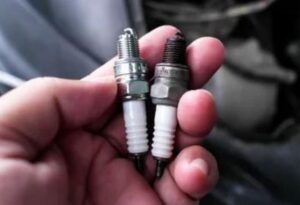
Step 5: Physically Inspect the Spark Plugs (Advanced Step)
If you’re comfortable getting your hands a little dirty, a visual inspection of the spark plugs themselves can give you the clearest picture. This is a hands-on way to identify the issues how to know when spark plugs are bad.
- Safety First: Make sure your engine is cool, and disconnect your car’s battery before you start.
- Locate and Remove: Your spark plugs are typically found on top or the side of the engine, connected by thick wires or coil packs. Carefully remove the wires/coil packs, then use your spark plug socket to gently unscrew each plug.
- What to Look For:
- Worn Electrode: The very tip of the plug (the electrode) should be relatively sharp. If it looks rounded or excessively eroded, it’s worn out.
- Carbon Fouling: A dry, sooty black coating indicates a rich air-fuel mixture or weak spark.
- Oil Fouling: A wet, oily black coating suggests oil is getting into the combustion chamber, possibly from worn piston rings or valve seals.
- Ash Deposits: Light brown or white powdery deposits can indicate poor fuel quality or oil additives.
- Melted or Blistered Electrodes: This is a sign of severe overheating, often from incorrect heat range plugs or engine issues.
Examining the tip of each plug tells a story about what’s happening inside that cylinder. It’s like peeking into the engine’s health diary!
Pro Tips & Common Mistakes to Avoid
Over the years, I’ve learned a few things that can save you a lot of grief when you’re trying to identify bad spark plugs.
Pro Tip: Don’t Ignore Early Warnings!
Those subtle changes – a slight hesitation, a tiny bit more vibration – are your car’s way of whispering before it starts shouting. Addressing them early can prevent more significant problems and keep your engine running efficiently.
Pro Tip: Get an OBD-II Scanner!
Seriously, they’re not just for mechanics anymore. You can buy a basic one for under $30, and it can save you hours of guesswork when the “Check Engine” light comes on. It’ll give you a code that often tells you exactly which cylinder is misfiring.
Common Mistake: Assuming It’s *Always* the Spark Plugs.
While spark plugs are a common culprit for the symptoms we discussed, sometimes other issues can mimic them. Fuel injectors, ignition coils, or even vacuum leaks can cause similar problems. Always consider other possibilities, especially if new spark plugs don’t solve the issue.
Common Mistake: Overtightening or Undertightening.
If you do decide to replace them, be very careful with torque. Overtightening can strip threads in the cylinder head (a very expensive repair!), and undertightening can cause them to loosen, leading to poor performance or even damage.
FAQs About Identify the Issues How to Know When Spark Plugs Are Bad
Q1: How often should I check my spark plugs?
A: Most manufacturers recommend replacing spark plugs every 30,000 to 100,000 miles, depending on the type (copper, platinum, iridium). For a visual check, I’d say every 30,000 miles is a good benchmark, especially if you suspect issues. You can definitely feel if you need to identify the issues how to know when spark plugs are bad well before replacement is due.
Q2: Can I drive with bad spark plugs?
A: You technically *can*, but it’s not a good idea. Driving with bad spark plugs can lead to decreased fuel economy, reduced engine power, and potentially more severe damage to other engine components, like your catalytic converter, if misfires are prolonged and severe. It’s best to address them quickly once you identify bad spark plug issues.
Q3: Will bad spark plugs cause my car to stall?
A: Yes, absolutely. If the misfires are severe enough, or if multiple spark plugs are failing, your engine might struggle to maintain an idle and could stall, especially when coming to a stop.
Q4: Do all bad spark plugs look the same?
A: Not at all! As we discussed in the physical inspection section, the appearance of a bad spark plug can tell you a lot about the *reason* it’s bad. Some might be carbon-fouled, others oily, and some just simply worn out. That’s why inspecting them is so helpful when you want to know when spark plugs are bad.
Q5: Can I replace spark plugs myself?
A: For many vehicles, yes, it’s a very manageable DIY task. If you have basic tools, a torque wrench, and are comfortable following instructions (like those in your car’s service manual or an online guide), it can save you money. However, if plugs are hard to reach or seized, or if you’re not confident, a professional is always a good choice.
Q6: What’s the difference between a misfire and a rough idle?
A: A rough idle is a general term for when your engine isn’t running smoothly at low RPMs. A misfire is a specific event where a cylinder fails to ignite its air-fuel mixture. Misfires often *cause* a rough idle, but a rough idle can also be caused by other issues. When you identify the issues how to know when spark plugs are bad, misfires are usually the clearest sign.
Q7: Does the type of car affect how to know when spark plugs are bad?
A: The symptoms are generally similar across most gasoline internal combustion engines. However, specific vehicle designs might make certain symptoms more pronounced or make it harder to physically access the plugs. For instance, a V6 or V8 engine might have plugs hidden under an intake manifold, making inspection more complex than in a 4-cylinder.
Final Thoughts
So, there you have it! Now you’re equipped with the knowledge to identify the issues how to know when spark plugs are bad. It’s all about paying attention to your car and trusting your instincts. Those little quirks your car develops aren’t just quirks; they’re messages.
Don’t let your car’s performance issues linger. By recognizing these signs early, you can take action, whether it’s replacing the spark plugs yourself or taking it to a trusted mechanic. A healthy engine means a happy car and a smoother, more reliable ride for you. Happy driving!