Replacing spark plugs yourself is a surprisingly simple and rewarding DIY project that can significantly save you time and money on car maintenance. This guide empowers you to confidently tackle a common repair, detailing how to identify worn plugs, gather basic tools, and follow straightforward steps to improve your engine’s performance and fuel efficiency. Master this essential skill and keep your vehicle running smoothly without dealership costs.
How to Save Time and Money How to Replace a Spark Plug Yourself
Why This Matters / Understanding the Problem
Ever feel like your car just isn’t quite itself? Maybe it’s a bit sluggish, struggles to start, or that dreaded “check engine” light pops up. Often, the culprit is something surprisingly simple: old, worn-out spark plugs.
These small but mighty components are crucial for igniting the fuel-air mixture in your engine. When they go bad, your car’s performance takes a hit. You might notice a rough idle, poor acceleration, or even a drop in your gas mileage.
Taking your car to a mechanic for this can cost a pretty penny, and let’s be honest, who has time for that? Learning to Save Time and Money How to Replace a Spark Plug Yourself is a fantastic skill. I remember my first time doing it – it felt daunting, but the satisfaction (and savings!) were totally worth it. It’s a job you can absolutely tackle, even if you’re new to DIY car maintenance.
What You Need
Before we dive in, let’s gather our gear. Having the right tools makes all the difference when you Save Time and Money How to Replace a Spark Plug Yourself.
- New Spark Plugs: Make sure they are the correct type and heat range for your specific vehicle. Check your car’s manual or an auto parts store’s guide.
- Spark Plug Socket: This is a special deep socket, usually 5/8″ or 13/16″, with a rubber insert to grip the plug.
- Ratchet: To turn the socket.
- Extension Bar: For reaching those recessed spark plugs.
- Torque Wrench: Strongly recommended! This ensures you tighten the new plugs to the correct specification, preventing damage.
- Spark Plug Gap Gauge: Only if your new plugs aren’t pre-gapped for your vehicle. Most modern plugs are pre-gapped.
- Anti-Seize Compound: A small dab on the spark plug threads prevents them from seizing in the cylinder head.
- Dielectric Grease: Applied inside the spark plug boot or coil pack connector to prevent corrosion and ensure a good electrical connection.
- Gloves: To keep your hands clean and protected.
- Clean Rags or Shop Towels: For cleanup.
Step-by-Step Guide to Save Time and Money How to Replace a Spark Plug Yourself
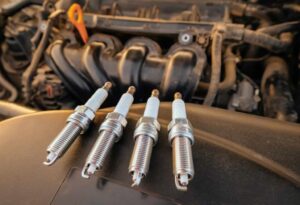
Ready? Always remember to work on a cool engine to avoid burns and make it easier to remove the old plugs. Let’s get started on how to Save Time and Money How to Replace a Spark Plug Yourself!
Step 1: Gather Your Tools and New Plugs
First things first, make sure everything is at hand. Double-check that your new spark plugs are indeed the right ones for your car’s make and model. This small check saves a huge headache later.
Give your new plugs a quick visual inspection for any damage. It’s rare, but sometimes a plug can get chipped during shipping.
Step 2: Locate and Access the Spark Plugs
Pop your hood. On most modern cars, the spark plugs are hidden under ignition coil packs, which are usually on top of the engine. You might need to remove a plastic engine cover first. This usually just involves unscrewing a few bolts or lifting it off.
Each coil pack or spark plug wire leads directly to a spark plug. Identify them all.
Step 3: Remove One Spark Plug Wire/Coil At a Time
This is crucial: work on one spark plug at a time. This prevents mixing up the firing order, which can cause serious engine issues.
If you have ignition coils, gently disconnect the electrical connector by squeezing the tab and pulling. Then, unbolt the coil pack (usually one or two small bolts). Carefully pull the coil pack straight up and off the spark plug.
If you have spark plug wires, twist the boot gently and pull firmly to remove it from the spark plug.
Step 4: Extract the Old Spark Plug
With the coil or wire removed, you’ll see the spark plug down in its well. Insert your spark plug socket with the extension bar and ratchet.
Turn the ratchet counter-clockwise to loosen the spark plug. It might be a bit stiff at first. Once loose, continue unscrewing it until it’s free. The rubber insert in your spark plug socket will help you lift the old plug out of the well.
Step 5: Inspect the Old Spark Plug
Take a good look at the plug you just removed. Its condition can tell you a lot about your engine’s health.
A healthy plug will have a light tan or grayish-brown color. Black, sooty plugs could indicate a rich fuel mixture. Oily plugs suggest oil is getting into the combustion chamber. White, blistered plugs might mean your engine is running too hot. This quick inspection helps you learn more about your car.
Step 6: Prepare the New Spark Plug
If your new plugs are not pre-gapped, use your gap gauge to set the gap according to your car’s specifications (found in your owner’s manual).
Apply a thin coat of anti-seize compound to the threads of the new spark plug. This prevents it from seizing in the cylinder head, making future removal much easier. Just a little bit is enough.
Also, apply a small amount of dielectric grease inside the boot of the ignition coil or spark plug wire. This helps create a good seal and prevents moisture and corrosion.
Step 7: Install the New Spark Plug
Carefully lower the new spark plug into its well. Start threading it in by hand first. This is super important to avoid cross-threading, which can cause costly damage to the cylinder head.
Once it’s finger-tight, use your torque wrench with the spark plug socket. Tighten the plug to the manufacturer’s specified torque settings (again, check your manual or a reliable online resource for your specific car). This prevents overtightening, which can strip threads, or undertightening, which can lead to leaks and misfires.
Step 8: Reconnect Coil/Wire and Repeat
Once the new spark plug is properly torqued, push the ignition coil or spark plug wire back onto the plug. Make sure it clicks into place and is seated firmly. Reconnect the electrical connector for the coil pack and tighten any bolts.
Now, repeat Steps 3 through 8 for each remaining spark plug, always working on one at a time until all are replaced.
Step 9: Final Checks and Test Drive
Before closing the hood, double-check that all coil packs are bolted down, all electrical connectors are secure, and all spark plug wires are firmly attached. Ensure no tools or rags are left in the engine bay.
Start your engine. Listen for a smooth idle. It might run a little rough for a few seconds as the engine adjusts. Take your car for a short test drive. You should immediately feel a noticeable improvement in performance and responsiveness! You’ve successfully learned to Save Time and Money How to Replace a Spark Plug Yourself!
Pro Tips & Common Mistakes to Avoid
I’ve learned a few things the hard way over the years. Here are some insights to help you avoid common pitfalls when you Save Time and Money How to Replace a Spark Plug Yourself.
Pro Tip: Work on a Cold Engine! Seriously, I cannot stress this enough. Attempting to remove spark plugs from a hot engine can cause the threads in the cylinder head to strip. Plus, you’ll avoid burning yourself! Patience is key.
Common Mistake: Cross-Threading. This happens when you don’t start the plug straight and force it in. Always thread by hand first. If it resists, back it out and try again, ensuring it’s perfectly straight. Cross-threading means expensive repairs.
Pro Tip: Torque Matters! Hand-tightening isn’t enough. Too loose, and combustion gases can leak. Too tight, and you risk cracking the spark plug or stripping the cylinder head threads. A torque wrench is your best friend here.
Common Mistake: Mixing Up Wires/Coils. Don’t remove all wires/coils at once. It’s easy to forget which one goes where. Sticking to one-at-a-time prevents this headache entirely.
Pro Tip: Use Anti-Seize and Dielectric Grease. These aren’t just “nice-to-haves.” Anti-seize makes future spark plug changes a breeze. Dielectric grease protects electrical connections from moisture and ensures proper current flow.
Common Mistake: Using the Wrong Spark Plug. Always, always, always verify the correct part number for your vehicle. Different engines need different plugs. The wrong plug can lead to poor performance or even engine damage.
FAQs About Save Time and Money How to Replace a Spark Plug Yourself
Here are some common questions I hear about this DIY project.
Q1: How often should I replace my spark plugs?
A: It really depends on your car and the type of spark plugs. Generally, conventional copper plugs last about 30,000 miles, while iridium or platinum plugs can go 60,000 to 100,000+ miles. Your car’s owner’s manual will have the definitive answer for your specific vehicle. It’s smart to check it.
Q2: Do I absolutely need a torque wrench for this job?
A: While some experienced mechanics might do it by feel, I highly recommend using a torque wrench. It takes the guesswork out and significantly reduces the risk of costly damage like stripping threads or cracking a spark plug. It’s a small investment that offers big peace of mind when you Save Time and Money How to Replace a Spark Plug Yourself.
Q3: What happens if I don’t replace old spark plugs?
A: Ignoring old spark plugs can lead to a host of problems. You’ll likely experience decreased fuel economy, engine misfires, rough idling, and poor acceleration. In severe cases, prolonged misfires can even damage expensive components like your catalytic converter.
Q4: Can I just replace one faulty spark plug?
A: While technically possible, it’s generally best practice to replace all spark plugs at the same time. They tend to wear evenly, and if one is bad, the others are likely not far behind. Replacing them all ensures consistent performance across your engine and helps you truly Save Time and Money How to Replace a Spark Plug Yourself in the long run.
Q5: Is this a difficult DIY task for a beginner?
A: Not at all! Replacing spark plugs is one of the more straightforward car maintenance tasks. If you can follow instructions, gather the right tools, and take your time, you can absolutely do it. It’s a perfect entry point for building confidence in car maintenance.
Q6: My check engine light came on after replacing the plugs. What should I do?
A: Don’t panic! First, recheck all your connections. Make sure all ignition coil electrical connectors are fully seated and all coils are bolted down properly. Sometimes a loose connection can trigger the light. If everything looks good and the light persists, it might be worth scanning for codes to pinpoint the exact issue, but usually, it’s a simple fix.
Final Thoughts
You did it! You’ve learned how to Save Time and Money How to Replace a Spark Plug Yourself. Give yourself a pat on the back. It’s incredibly empowering to tackle car maintenance yourself, and this particular job offers huge financial and practical rewards.
Don’t be afraid to get your hands a little dirty. With a bit of patience and the right tools, you’ve not only saved a significant amount on labor costs but also gained a valuable skill. Enjoy the smoother rides and improved fuel efficiency knowing you achieved this all on your own. Keep up the great work!