The spark plug gap is the precise distance between the spark plug’s center and ground electrodes, essential for creating the perfect spark to ignite your engine’s air-fuel mixture. A correctly gapped spark plug is paramount for optimal engine performance, fuel efficiency, and minimal emissions, ensuring powerful and consistent combustion. Conversely, an improperly set gap can lead to misfires, reduced power, and decreased fuel economy.
What is the gap in a spark plug and why it matters
You know, when we talk about our car’s engine, there are so many little things that play a huge role. One of those unsung heroes is the spark plug, and more specifically, something called the “gap in a spark plug.” Simply put, the gap is the tiny space between the central electrode and the ground electrode of the spark plug. It’s where the magic happens – where the electrical current jumps to create the spark that ignites the fuel-air mixture in your engine. Getting this tiny measurement just right is absolutely critical for your car to run smoothly and efficiently.
What exactly is the gap in a spark plug, and why is it so crucial for my engine’s performance?
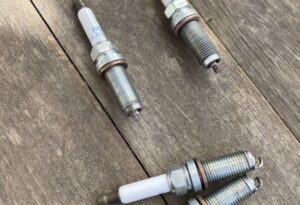
Alright, let’s break down the gap in a spark plug because it’s truly fascinating how something so small can have such a massive impact. Imagine your spark plug has two little arms: one in the center (the central electrode) and another curved arm reaching over it (the ground electrode). The spark plug gap is the precise distance between the tip of that central electrode and the closest point on the ground electrode. When your ignition system sends a high-voltage current to the spark plug, it has to jump across this gap to reach the ground. This jump creates a powerful electrical arc – that’s your spark!
Now, why is this gap so incredibly crucial for your engine’s performance? Well, it all comes down to creating the perfect spark for combustion:
- The Perfect Spark for Combustion: The right spark plug gap ensures the spark is strong and consistent enough to ignite the fuel-air mixture completely. Think of it like trying to start a campfire. You need a good, hot flame, not just a weak flicker.
- Smooth Engine Performance: When the gap is spot-on, your engine runs smoothly. You’ll notice better acceleration, a more stable idle, and just an overall better feel behind the wheel. It’s like your engine is breathing easier.
- Optimal Fuel Efficiency: A strong, consistent spark means a more complete burn of the fuel in each cylinder. This translates directly into better fuel efficiency, saving you money at the pump. Who doesn’t love that?
- Preventing Troubles: If the gap is incorrect, it can lead to a whole host of problems. You might experience engine misfires, where a cylinder doesn’t fire correctly, causing your car to feel sluggish or vibrate. Hard starting, especially in cold weather, or rough idling are also common signs. I once had a small engine on my lawnmower that just wouldn’t start, and it turned out the gap was way off!
- Protecting Your Ignition System: The entire ignition system works together. If the gap is too wide, your ignition coil has to work extra hard to jump that distance, potentially shortening its lifespan. If it’s too narrow, the spark might be too weak, leading to inefficient combustion and carbon buildup over time.
What happens if the gap in a spark plug is wrong? If it’s too wide, the electrical charge might not be strong enough to jump the gap reliably, leading to misfires and a weaker spark. Your engine might struggle to start, especially when cold, and you could feel a noticeable loss of power. I remember my old truck suddenly feeling really sluggish; after a bit of troubleshooting, we found the gaps on some of the plugs had worn significantly wider than they should be.
On the flip side, if the gap is too narrow, the spark will be smaller and weaker, not providing enough energy to ignite the fuel mixture effectively. This can cause poor combustion, reduced power, and a build-up of carbon deposits on the spark plug itself. This is why always checking the specific manufacturer recommendations for your vehicle is key. You’d be surprised how much difference a tiny fraction of a millimeter makes!
Checking and adjusting the spark plug gap is usually part of a routine spark plug replacement. You can use a special tool, often called a spark plug gapper or feeler gauge, to measure the distance. Always, and I mean always, check your car’s owner’s manual or a reputable service manual for the exact specification. My first time doing it, I guessed and ended up with a slightly rough idle – a quick check of the manual and a minor adjustment made all the difference!
So, the gap in a spark plug isn’t just some random space; it’s a precisely engineered measurement vital for your engine’s health and performance. Keeping it correctly set ensures your engine purrs, your fuel economy stays healthy, and you avoid those annoying and costly misfires. It’s a small detail with huge implications for the smooth running of your ride.