Discovering oil on your spark plugs is a significant indicator of an internal engine problem, often signaling that oil is burning in the combustion chamber or leaking into the spark plug well. The most common internal culprits include worn piston rings or valve seals, allowing oil to bypass into the cylinder. External issues, like a faulty valve cover gasket, can also be responsible for filling the plug well with oil.
Why Is There Oil In My Spark Plugs? Common Causes Revealed
Finding oil in your spark plugs can feel like a punch to the gut. I remember the first time I popped open my hood and saw that messy surprise around my spark plugs. My heart definitely skipped a beat! It looked like a major disaster, making me think my engine was toast. But speaking from experience, while it’s a clear sign something needs your attention, discovering oil in your spark plugs isn’t always as catastrophic as it first appears. It’s actually a surprisingly common issue that often points to a few specific culprits. Let’s dig into what might be going on under your hood.
What causes oil in my spark plugs, and what should I do about it?
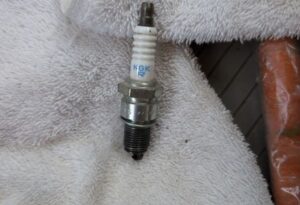
When you find oil in your spark plugs, it essentially means oil is getting to places it shouldn’t be. This usually happens in one of two ways: either oil is leaking *onto* the spark plug from the outside of the engine, or it’s being burned *inside* the engine cylinder and coating the spark plug tip. Understanding the difference is key to knowing how serious the problem is and what steps to take.
1. Leaking Valve Cover Gasket or Spark Plug Tube Seals (Most Common Culprit)
This is by far the most frequent reason you’ll find oil around your spark plugs, and thankfully, it’s usually the least severe to fix. Your engine’s valve cover gasket seals the top of the engine to prevent oil leaks. Many engines also have specific seals, called spark plug tube seals, which sit inside the valve cover and go around each spark plug hole. Over time, these rubber seals can harden, crack, or shrink due due to constant heat cycles. When they fail, oil from inside the engine’s valve train leaks down into the spark plug wells, covering your spark plugs in oil.
- How to tell: You’ll typically see oil pooled around the ceramic part of the spark plug, or on the threads, but usually not on the very tip (the electrode). You might also notice oil residue on the outside of the valve cover itself. Your engine might run a bit rough, misfire, or even produce a burning oil smell as oil drips onto hot exhaust components.
- Personal Tip: I’ve dealt with this a few times! Replacing the valve cover gasket and spark plug tube seals isn’t too bad if you’re a bit handy with a wrench. It involves removing the valve cover, cleaning the surfaces, and installing new gaskets and seals. It’s a common DIY job that can save you a good chunk of change. Just make sure to use a torque wrench for proper tightening.
2. Worn Piston Rings or Valve Stem Seals (More Serious)
If the oil is actually on the electrode tip of your spark plug, it suggests the oil is getting into the combustion chamber and burning along with the fuel. This points to internal engine wear, specifically worn piston rings or worn valve stem seals.
- Piston Rings: These seals prevent combustion gases from escaping past the piston and keep oil from entering the combustion chamber from the crankcase. If they’re worn or damaged, oil can seep past them and burn.
- Valve Stem Seals: These small seals prevent oil from flowing down the valve stem into the combustion chamber. When they harden and fail, oil drips past them every time the valves open.
- How to tell: With worn piston rings or valve stem seals, you’ll see oil on the electrode and tip of the spark plug. You’ll also likely experience noticeable engine oil consumption (you’ll need to add oil between changes), blue smoke from the exhaust, especially on startup or during acceleration, and potentially a lack of engine power.
- Personal Insight: This is where things get more involved. While fixing leaking gaskets can be a DIY, addressing worn piston rings or valve stem seals usually requires significant engine work, like tearing down the engine. This is typically a job for a qualified mechanic. When I faced similar symptoms on an older car, I knew it was time for a professional diagnosis to avoid further engine damage.
What to do next:
- Don’t Panic: Take a deep breath. Oil in your spark plugs needs attention, but it doesn’t always mean the worst.
- Identify the Source: Carefully inspect the spark plugs. Is the oil on the threads/ceramic (valve cover gasket/tube seals) or on the tip (internal engine issue)? Look for visible leaks around the valve cover.
- Clean and Test: Clean or replace the affected spark plugs. Then, drive the car and check them again after a few hundred miles to confirm the source and severity.
- Address the Issue:
- For valve cover gasket/tube seals, consider a DIY repair if you’re comfortable, or take it to a trusted mechanic.
- For internal engine issues, get a professional diagnosis. They can perform tests like a compression test or leak-down test to pinpoint the problem.
Finding oil in your spark plugs can be concerning, but it’s a fixable problem in most cases. By carefully observing where the oil is and understanding the common causes, you can take the right steps to get your engine running smoothly and reliably again. Don’t let a little oil scare you; empower yourself with the knowledge to tackle it head-on!