Yes, a severely faulty spark plug, or more commonly, multiple failing spark plugs, can absolutely prevent your car from starting. While a single bad plug usually causes misfires or rough idling, a complete no-start scenario often indicates a broader ignition system failure or other critical components are also compromised, preventing the essential spark needed for combustion. Timely diagnosis and replacement are crucial to restore your engine’s ability to fire up.
Ever woken up, hopped into your car, turned the key, and… nothing? Or maybe it just cranks and cranks without ever truly firing up? It’s a frustrating situation, to say the least. And when your car decides to play hard to get, one common culprit that often flies under the radar is a simple component: the spark plug. So, can a bad spark plug really prevent your car from starting?
Absolutely, yes! A single bad spark plug can indeed be the villain behind your car’s refusal to start. Think of it this way: your engine needs three things to run – fuel, air, and a spark. If that all-important spark is missing, then the party simply doesn’t start. It’s like trying to light a campfire without a match; you’ve got the wood and air, but no ignition. When even one spark plug isn’t doing its job, your engine can throw a major fit.
Can a Bad Spark Plug Really Stop My Car From Starting Entirely?
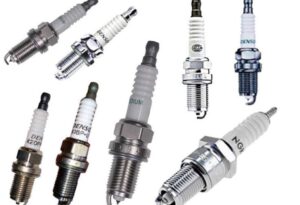
Yes, it absolutely can. A bad spark plug is a surprisingly common reason your car might not start. Let me explain why, drawing a bit from my own garage adventures.
Spark plugs are tiny but mighty heroes. Their job is to create a small electrical spark, timed perfectly, to ignite the mixture of fuel and air inside your engine’s cylinders. This ignition is what creates the power to move your car. So, what happens when one goes rogue or becomes a bad spark plug?
- No Spark at All: This is the most direct cause. If a spark plug is completely dead – perhaps due to an internal fault or extreme wear – it won’t produce any spark. Without that spark, the fuel-air mixture in that cylinder won’t ignite. If enough cylinders are affected, or if the single faulty one throws off the engine’s balance too much, your car simply won’t start.
- Weak or Intermittent Spark: Sometimes, a spark plug isn’t totally dead, but it’s putting out a very weak or inconsistent spark. This can lead to misfires, where the fuel-air mixture either doesn’t ignite at all or ignites poorly. My buddy once had a car that would crank endlessly on a cold morning. We eventually found a bad spark plug that was barely sparking. The engine was trying, but couldn’t get enough consistent power to catch.
- Fouled Plug: This is another big one. Spark plugs can get “fouled” with carbon deposits, oil, or even excess fuel. Imagine trying to light a match when the striking surface is covered in gunk. These deposits insulate the electrode, preventing a strong spark from forming. I’ve seen plugs pulled out looking black and crusty; definitely a bad spark plug that couldn’t fire properly.
- Damaged Plug: A spark plug can also be physically damaged. The ceramic insulator might crack, or the electrode could get bent or worn down too much. This damage can disrupt the spark path or prevent a spark entirely.
So, if your engine is cranking but not catching, and you’ve already checked the battery and fuel level, a bad spark plug should definitely be on your suspicion list. When one or more cylinders aren’t firing because of a faulty plug, the engine can’t build up the momentum needed to start and run on its own. It’s like trying to push-start a car with a flat tire – you’re missing a critical component for forward motion.
From my experience, the symptoms of a failing or bad spark plug that’s leading to a no-start can include your engine cranking strongly but never fully turning over, a rough or shaky engine if it does briefly catch, or even a strong smell of unburnt fuel if gas is getting into the cylinders but not igniting. Don’t keep cranking excessively if this happens; you could flood the engine or drain your battery even further.
My advice? If your car won’t start and you suspect a bad spark plug, consider having it diagnosed by a professional. If you’re comfortable with basic car maintenance, you might even be able to carefully pull one plug and visually inspect it. Look for excessive wear, cracks, or heavy deposits. Replacing a worn-out spark plug can often be a simple fix that brings your car roaring back to life. It’s amazing how such a small part can make such a huge difference!
In short, don’t underestimate the power of a tiny spark. A bad spark plug is a very real reason your car might refuse to start. Keeping up with your car’s maintenance schedule, including spark plug replacements, can save you a lot of headaches and cold morning frustrations. So, the next time your car plays hard to get, remember this little tip – that small plug could be the big problem!