Yes, replacing spark plugs yourself is a surprisingly easy and accessible DIY task! This common maintenance item is perfect for beginners, allowing you to save money and gain valuable confidence under the hood. With just a few basic tools and a straightforward approach, you can easily perform this essential service and keep your engine running optimally.
Can You Replace Spark Plugs Yourself Yes Easily DIY
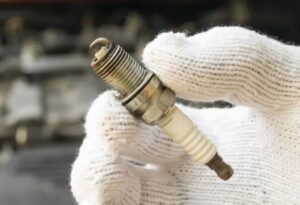
Ever wondered if you can really tackle car maintenance like changing your spark plugs without a mechanic? Well, let me tell you, the answer is a resounding YES! It might seem daunting at first, especially if you’re not super handy, but replacing spark plugs yourself is one of the most satisfying and cost-effective DIY car repairs you can do. Think of it as giving your car a fresh breath of air, and you’re the one making it happen!
Can I really replace spark plugs myself, even if I’m not a pro mechanic?
Absolutely, you can! I’ve been there myself, staring at an engine bay, wondering if I’d break something. But replacing spark plugs yourself is a very achievable task for most car owners. It’s more about following clear steps and having the right tools than needing a degree in automotive engineering. Seriously, if I can do it, you probably can too!
Why bother doing it yourself? For starters, you’ll save a good chunk of money. Mechanics charge for parts and labor, and spark plug replacement labor can add up quickly. Plus, there’s a real sense of accomplishment knowing you’ve improved your car’s performance and fuel economy with your own hands. It helps you understand your vehicle better, too.
So, what do you need to replace spark plugs yourself? Here’s a basic toolkit:
- New Spark Plugs: Crucially, make sure they are the correct type for your car’s make and model. Check your owner’s manual!
- Spark Plug Socket: These are specialized sockets (usually 5/8″ or 13/16″) with a rubber insert to grip the plug.
- Ratchet and Extensions: To reach those plugs hidden deep in the engine.
- Torque Wrench: This is non-negotiable! Over-tightening can strip threads, and under-tightening can cause serious problems.
- Spark Plug Gap Tool: While many modern plugs are pre-gapped, always double-check the gap against your car’s specifications.
- Dielectric Grease: A small dab on the inside of the spark plug boot helps prevent moisture and makes future removal easier.
- Anti-Seize Compound: A thin coat on the plug threads (if recommended by the plug manufacturer) helps prevent them from seizing in the engine block.
- Safety Gear: Gloves and safety glasses are always a good idea.
Is it hard? Honestly, some cars are easier than others. A 4-cylinder engine with easily accessible plugs is often a breeze. A V6 or V8 where some plugs are tucked under intake manifolds can be more challenging, but still very doable. The key is patience. My first time doing this on my old sedan, I watched three different YouTube videos and took a lot of breaks.
Here’s the basic rundown of how to replace spark plugs yourself:
- Safety First: Make sure your engine is completely cool. Disconnect the negative battery terminal for extra safety.
- Locate Plugs: They are typically under ignition coils or spark plug wires.
- Work One-by-One: This is my golden rule! Remove one ignition coil/wire, then remove the old spark plug. This prevents mixing up wires or coils, which can cause frustrating misfires.
- Inspect the Old Plug: Take a peek at its condition. It can tell you a lot about how your engine is running.
- Prepare the New Plug: Check the gap, apply a tiny amount of anti-seize (if needed), and a bit of dielectric grease inside the boot.
- Install the New Plug: Hand-thread it in gently to avoid cross-threading. Once finger-tight, use your torque wrench to tighten it to your car’s specified foot-pounds. Don’t guess on this!
- Reconnect: Put the ignition coil/wire back on securely.
- Repeat: Do this for all remaining spark plugs.
A personal tip: Before you even touch a wrench, take a few pictures of the engine bay, especially how the wires or coils are routed. It’s a lifesaver if you forget how things go back together. I learned this the hard way once!
What if things go wrong? The biggest risks when you replace spark plugs yourself are cross-threading (forcing the new plug in crooked) or over-tightening. This is where the torque wrench truly shines. If a plug feels stuck when removing, don’t force it – try letting the engine warm up a little, then try again. Sometimes, a little heat helps free them up. But generally, by being careful and methodical, you can avoid these common pitfalls.
So, there you have it. The answer to “can you replace spark plugs yourself?” is a resounding yes! With the right tools, a little research, and a dose of patience, you can absolutely tackle replacing spark plugs yourself and successfully perform this essential maintenance task. Not only will you save money, but you’ll also gain confidence and a deeper connection with your car. Give it a try – you might surprise yourself!