Yes, a torque wrench is highly recommended for installing spark plugs. Overtightening can cause stripped threads or damage the spark plug and cylinder head, while undertightening leads to poor heat transfer, misfires, or the plug backing out. Using the manufacturer’s specified torque ensures optimal sealing, proper heat dissipation, and prevents expensive engine damage, making it a small investment for significant peace of mind.
Do You Need a Torque Wrench for Spark Plugs Find Out Now
Hey there, fellow car enthusiast! Ever find yourself staring at a fresh set of spark plugs, ready to get your hands dirty, and wonder, “Do I really need a torque wrench for spark plugs?” It’s a fantastic question, and one I hear all the time. Let’s cut to the chase: yes, you absolutely should use a torque wrench for spark plugs. It might feel like an extra step, but trust me, it’s one of those small investments that saves you a huge headache down the road.
I know what you’re thinking – “Can’t I just go by feel?” While some seasoned mechanics might be able to get away with it, for most of us, especially DIYers, using a torque wrench is crucial for proper installation. It’s all about precision and making sure your engine purrs happily without any costly surprises.
Do You Really Need a Torque Wrench for Spark Plugs?
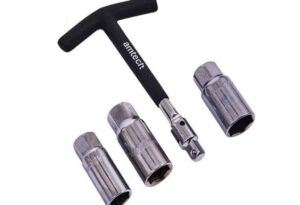
Alright, let’s dig into the nitty-gritty. The short answer, as I mentioned, is a resounding yes. Here’s why making sure you use a torque wrench for spark plugs is such a smart move, drawing from my own experiences and what I’ve learned over the years.
The Risks of “Just Feeling It”:
- Over-tightening is a Real Problem: This is the big one. I once heard a story (and almost experienced it myself!) about someone who over-tightened a spark plug. The results can be catastrophic: stripped threads in the cylinder head (which is incredibly expensive to fix, sometimes requiring head removal!), cracked spark plug insulators, or even a broken spark plug inside the head. Believe me, you do not want to deal with a broken plug. It turns a simple job into a nightmare.
- Under-tightening Has Issues Too: On the flip side, if you don’t tighten your spark plugs enough, you’re inviting a whole host of problems. Loose spark plugs can lead to misfires, engine hesitation, and reduced fuel efficiency. Worse, they can overheat, causing pre-ignition or detonation, which severely damages your engine. They can even vibrate loose and eject from the cylinder head – a very startling and dangerous event!
Why Precision Matters So Much for Spark Plugs:
- Optimal Heat Transfer: Spark plugs need to operate within a specific temperature range. Proper torque ensures the plug is seated firmly against the cylinder head, allowing heat to transfer away effectively. If it’s too loose, it runs hotter; too tight, and the plug can deform, affecting its performance and lifespan.
- Consistency Across All Cylinders: Using a torque wrench for spark plugs guarantees that every single plug is tightened to the manufacturer’s exact specification. This consistency is vital for smooth engine operation and even performance across all cylinders. Modern engines, especially with their complex electronics, are very sensitive to these details.
- Protecting Delicate Materials: Many modern engines feature aluminum cylinder heads, which are much softer and more prone to thread damage than older cast iron heads. This makes using the correct torque setting with a reliable torque wrench for spark plugs not just recommended, but absolutely essential to avoid costly damage.
My Personal Take & Practical Tips:
I remember when I first started doing my own car maintenance. I thought I had a “good feel” for bolts. Then, I read up on the horror stories of stripped threads. That’s when I bought my first cheap click-style torque wrench. It wasn’t fancy, but it gave me incredible peace of mind. Now, I wouldn’t dream of installing spark plugs without it. It’s a small tool that provides immense value.
- Always Check Your Car’s Manual: The most crucial step is to find the exact torque specifications for your specific vehicle and spark plugs. This information is usually in your owner’s manual or a service manual. Don’t guess!
- Start by Hand: Always thread new spark plugs in by hand until they’re finger-tight. This helps ensure they’re not cross-threaded, which is another costly mistake.
- Clean Threads are Happy Threads: Make sure the spark plug threads and the cylinder head threads are clean. A small bit of anti-seize *can* be used, but sparingly. If you do use it, reduce the specified torque by about 10-20% as anti-seize acts as a lubricant and can lead to over-tightening at the specified dry torque. Some spark plug manufacturers even advise against it.
- Choose Your Wrench Wisely: For spark plugs, a simple beam-style or a click-type torque wrench works perfectly. You don’t need a super expensive digital one unless you want the extra precision.
- “Quarter Turn Past Snug” – Be Careful! You might hear about the “quarter turn past snug” method. This is really only for new spark plugs with a crush washer, and it’s still less precise than a torque wrench. It’s also easy to misjudge what “snug” truly means. For most plugs, especially those without a crush washer, or if you’re reusing plugs, a torque wrench is the only way to go.
So, do you need a torque wrench for spark plugs? Absolutely. It’s about protecting your engine, ensuring peak performance, and giving yourself peace of mind. For a relatively small investment, you get to avoid potentially massive repair bills and keep your ride running smoothly. Don’t skip this essential step!