Yes, spark plugs generally come pre-gapped from the manufacturer, set to a common specification. However, this factory setting may not be perfectly precise for your specific engine application. Therefore, it is absolutely crucial to always verify and adjust the gap to your vehicle’s exact requirements before installation, ensuring optimal engine performance and longevity.
Does Spark Plugs Come Pre Gapped What You Must Know
Hey there, fellow car enthusiasts and DIYers! Ever wondered, “does spark plugs come pre gapped” when you pull them fresh out of the box? It’s a super common question, and honestly, it’s one I used to gloss over when I first started changing my own spark plugs. The quick answer is: often, yes, many new spark plugs do come pre-gapped by the manufacturer to a general specification. But here’s the crucial part – and I can’t stress this enough – you absolutely, positively, must always double-check and verify the gap for your specific engine. Skipping this step can lead to a world of minor performance headaches, and trust me, I’ve been there!
Think of it like this: a new pair of shoes might be “pre-tied,” but you’ll always adjust them to fit your foot perfectly, right? Spark plugs are no different. That little gap between the electrodes is critical for optimal engine performance, and what’s “pre-gapped” might not be what your car truly needs.
Does Spark Plugs Come Pre Gapped, and Why Does It Matter So Much?
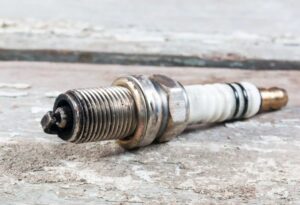
When I first started tinkering with my old sedan, I figured if the box said “fits XYZ models,” then the new spark plugs must be ready to go. I mean, does spark plugs come pre gapped? It felt like a fair assumption! But through a bit of trial and error (and a few puzzling engine stumbles), I quickly learned that this seemingly minor detail is incredibly important.
Here’s the deal: While many reputable spark plug manufacturers factory-gap their plugs, there are a few key reasons why you can’t just trust that initial setting:
- Every Engine Has a Unique Spec: Your car’s engine has a very specific gap requirement. What’s perfect for a sporty coupe might be totally wrong for a heavy-duty truck. Even slight variations can impact how your engine runs. This specification is usually found in your vehicle’s owner’s manual or a reliable service guide.
- Shipping and Handling Mishaps: Spark plugs, despite their robust appearance, can be delicate. During shipping, storage, or even just being tossed around in your toolbox, the ground electrode can easily get bent or bumped. This slight impact can subtly change the gap, throwing off that crucial measurement.
- Mass Production vs. Precision: Factory gapping is efficient, but it’s not always precise enough for every single engine type. Taking that extra minute to check and adjust ensures your engine gets the exact spark it needs for peak performance and fuel efficiency.
So, what happens if the gap is off? I’ve seen it firsthand! If the spark plug gap is too wide, the spark might struggle to jump the gap, leading to misfires, engine hesitation, poor acceleration, and even reduced fuel economy. I once had a nagging, intermittent misfire that drove me crazy until I re-checked the gaps and found one was slightly off. On the flip side, if the gap is too narrow, the spark can be weak or less focused, leading to less efficient combustion, reduced power, and potentially increased emissions. Neither scenario is ideal for your engine’s health or your wallet.
Here’s my tried-and-true method for checking and adjusting spark plug gap:
- Find Your Spec: Always, and I mean always, start by looking up the correct spark plug gap for your specific year, make, and model in your owner’s manual or a trusted repair manual. Don’t guess!
- Get the Right Tool: You’ll need a spark plug gapping tool. I prefer the wire-type feeler gauges, but the coin-style works too. They’re inexpensive and vital for this task.
- The Gentle Touch: Carefully slide the correct thickness gauge into the gap between the center and ground electrodes. It should slide in with a slight drag – not too loose, not too tight.
- Adjusting (if needed):
- If the gap is too small, gently use the gapping tool’s prying feature (or a small, flat-blade screwdriver) to ever so slightly bend the ground electrode outwards.
- If the gap is too wide, gently tap the ground electrode on a clean, hard surface until it closes slightly.
A word of caution for modern plugs: Many newer vehicles use iridium or platinum spark plugs. These have very fine, brittle center electrodes. When gapping these, never touch the center electrode; only adjust the ground electrode. Be incredibly gentle!
- Re-check: Once you’ve made an adjustment, re-check the gap until it matches your engine’s specification perfectly.
I always make it a point to check every single plug before it goes into the engine. It adds just a minute or two to the job, but it provides incredible peace of mind and ensures my engine performs exactly as it should. It’s a small step that makes a huge difference!
So, while you might hear “does spark plugs come pre gapped” answered with a casual “yes,” remember that “yes, but always check” is the real, expert advice. Taking the time to properly gap your spark plugs ensures your engine gets the precise spark it needs for optimal performance, fuel economy, and a smoother ride. It’s a simple act of care that pays off big time in the long run!