Spark plugs degrade primarily from normal wear, excessive carbon buildup, oil or fuel fouling, and overheating, directly causing engine misfires and poor performance. Regular inspections and addressing underlying issues, like improper air-fuel ratios or oil leaks, are vital for effective repair. Don’t let these common culprits diminish your engine’s efficiency and longevity.
Hey everyone! Ever wondered why your car suddenly feels a bit sluggish, or why that ‘check engine’ light decided to make a surprise appearance? More often than not, the culprit lurking under the hood could be your spark plugs. They’re tiny but mighty, and when they start to fail, they can really throw a wrench in your engine’s smooth operation. Understanding what causes spark plugs to go bad isn’t just for mechanics; it’s super helpful for every car owner. Think of them as the igniters of your engine’s heart – if they don’t fire right, your car won’t hum happily.
It’s a common worry, and one I’ve personally navigated. I remember one time my old sedan started bucking like a horse, and it turned out to be tired spark plugs. So, let’s dig into the nitty-gritty of why these crucial parts sometimes quit on us and what we can do to keep them, and our cars, running smoothly.
So, what exactly causes spark plugs to go bad, and what can we do about it?
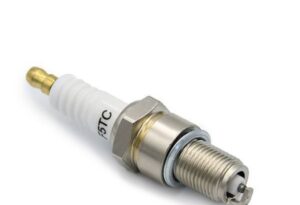
You know, it’s not usually one big dramatic event that makes spark plugs go bad. More often, it’s a combination of factors that slowly degrade their performance. Let’s break down the common culprits and chat about what can be done.
First off, there’s just plain old wear and tear. My friend, a seasoned mechanic, always says, “Everything has a lifespan!” Spark plugs are constantly firing under intense heat and pressure. Over time and mileage, their electrodes literally wear away, widening the gap they’re supposed to maintain. This is a primary reason why spark plugs go bad over time, making it harder for the spark to jump and leading to misfires. The fix here is straightforward: replace them according to your car’s service schedule, usually every 30,000 to 100,000 miles, depending on the plug type. I usually mark it on my calendar!
Another big one is carbon buildup. Imagine your car’s engine as a fireplace; sometimes soot just accumulates. This carbon comes from incomplete combustion or oil getting past worn piston rings or valve seals. When too much carbon coats the spark plug, it acts as an insulator, preventing the spark from jumping effectively and making the spark plug go bad. The engine might idle rough, accelerate poorly, or even misfire. I once had a car that felt really sluggish on acceleration, and we found the plugs were caked in carbon. Addressing the root cause – like fixing oil leaks or cleaning fuel injectors – is key here, along with new spark plugs.
Then there’s oil fouling. This happens when engine oil leaks into the combustion chamber and coats the plug. The oil then burns and creates a non-conductive layer, preventing proper ignition. This issue often points to worn valve seals, piston rings, or PCV system problems. When I helped my cousin diagnose his smoking exhaust, we found his spark plugs were soaked in oil – a clear sign of internal engine issues. Replacing the plugs without fixing the oil leak means they’ll just foul up again, leading to spark plugs going bad repeatedly. Addressing the source of the leak is paramount.
Overheating is another nasty cause. This occurs when the spark plug tip gets too hot, often due to incorrect heat range plugs for your engine, advanced ignition timing, or a lean fuel mixture. When they overheat, spark plugs can go bad very rapidly, even melting electrodes or damaging the engine. You might see a white, blistered insulator. My mechanic warned me about using the wrong heat range plugs after I considered a performance upgrade – it’s crucial to stick to manufacturer specifications to avoid this. Make sure your engine’s cooling system is working well, and use the recommended spark plug type.
Sometimes, the issue is simpler: an incorrect plug gap. The gap between the center and ground electrode needs to be just right for an optimal spark. If it’s too wide, the spark struggles to jump; if too narrow, the spark might be too weak. An incorrect gap makes it hard for the spark to ignite, which effectively causes the spark plug to go bad in terms of performance. While modern plugs often come pre-gapped, always double-check with a gapping tool, especially for older cars. I learned this the hard way on a classic car restoration – getting the gap spot-on made a huge difference.
Finally, improper installation can quickly lead to spark plugs going bad. Overtightening can strip threads or crack the insulator, while undertightening can cause poor heat transfer and blow-outs. Always use a torque wrench to ensure they’re tightened to the manufacturer’s specified value. It’s a small step, but it prevents big headaches down the road. I always tell friends, “Don’t guess with a wrench, torque it right!”
Understanding what causes spark plugs to go bad really empowers you as a car owner. Keeping an eye on these small but mighty components can save you a lot of headache and money down the road. Remember, a little preventative care and listening to your car’s subtle hints goes a long way in keeping your ride running smoothly and reliably!