Visually inspecting your spark plugs is crucial for diagnosing engine health, as their appearance reveals distinct problems. A fouled plug isn’t just dirty; different types of fouling, from oily and carbon-covered to ash-laden or fuel-soaked, directly indicate specific issues like rich fuel mixtures, oil leaks, or excessive deposits. Recognizing these visual cues allows for early intervention and effective repair, preventing further engine damage.
What Does a Fouled Spark Plug Look Like? A Visual Guide
Ever wondered what a healthy spark plug should look like versus a troubled one? Understanding what a fouled spark plug looks like is like having a secret window into your engine’s health. A normal, happy spark plug usually has a light tan or grayish-brown color on its insulator tip and electrodes. It’s clean, dry, and just plain inviting. But when things go wrong, these little guys start telling tales with their appearance. Let’s dive into what to look for, so you can diagnose issues like a pro.
What Does a Fouled Spark Plug Look Like?
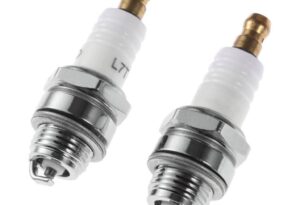
If you’re asking “what does a fouled spark plug look like,” you’re on the right path to understanding your vehicle better. Think of your spark plugs as tiny, silent messengers. When they’re not looking good, they’re visually screaming about an underlying problem in your engine. Here’s a friendly guide to the most common types of fouled spark plug appearances, based on what I’ve learned from countless hours in the garage and insights from experienced mechanics:
- Carbon Fouling (Dry Soot): Imagine a dry, velvety black coating covering the insulator tip and electrodes. That’s carbon fouling. It feels like soot. This typically means your engine is running too “rich” – getting too much fuel or not enough air. It could also point to a weak spark from a failing ignition coil or a worn spark plug wire. I remember my old commuter car once felt sluggish and guzzled fuel. Pulling the plugs revealed this exact look. Turns out, a clogged air filter was starving the engine of air. A quick, cheap fix made a world of difference!
- Oil Fouling: This is pretty unmistakable. If your plug looks wet, shiny, and covered in black, greasy oil – even on the threads – you’ve got oil fouling. This is a serious indicator of internal engine wear. Oil is getting past worn piston rings, valve guides, or valve seals and burning in the combustion chamber. If you spot a fouled spark plug like this, especially one that’s dripping, it’s a strong signal for a professional mechanic visit. It usually means a more significant repair is needed, potentially even an engine rebuild.
- Ash Deposits: Ever seen a plug with crusty, flaky deposits that are light brown, tan, or even white? That’s ash. These deposits typically come from additives in your fuel or lubricating oil. Sometimes, excessive oil consumption can cause this if the oil contains certain ash-forming additives. While usually not immediately engine-damaging, too much ash can lead to misfires. My tip? Check your oil specification and consider a quality fuel system cleaner. If it keeps coming back, you might have an internal issue worth investigating.
- Overheated/Pre-ignition Damage: This is a critical one to spot. The insulator tip might look blistered, super white, or glazed, almost like it’s been melted. The electrodes themselves can appear eroded, melted, or even sandblasted. If your fouled spark plug looks like this, the plug is getting way too hot. Common causes include using the wrong spark plug heat range (one that’s too hot for your engine), incorrect ignition timing, a lean air-fuel mixture (not enough fuel), or even general engine overheating. My stern advice here: if you see this, stop driving! An overheated plug can quickly lead to severe engine damage, like melting a piston. This isn’t a DIY fix; it demands immediate professional diagnosis.
- Fuel Fouling (Wet Soot): Similar in color to carbon fouling, but the black coating will be wet and often has a distinct, strong smell of gasoline. This type of fouled spark plug indicates that the engine cylinder failed to ignite the fuel mixture, leaving unburnt fuel on the plug. It often points to a constantly misfiring cylinder, a leaky fuel injector, or issues preventing the engine from starting properly, like weak compression or a timing problem. I once helped a friend whose car struggled to start in winter; every plug we pulled was wet with fuel. After checking, we found a weak coil pack that wasn’t consistently delivering a strong spark.
In essence, a fouled spark plug is rarely the problem itself, but rather a crucial messenger indicating a deeper issue. When you pull out a plug and it doesn’t have that healthy, light tan color, your engine is trying to tell you something important. Always try to inspect all your spark plugs; they often paint a much clearer diagnostic picture together.