Spark plugs generally require replacement every 30,000 to 100,000 miles, depending on your vehicle and plug type, to maintain peak performance. Don’t just wait for the mileage; watch for crucial warning signs like engine misfires, sluggish acceleration, decreased fuel economy, or rough idling. Timely replacement is key to ensuring your engine runs smoothly, efficiently, and reliably.
Hey there, fellow car enthusiasts! Or maybe you’re just someone who wants their car to run smoothly without a hitch. Either way, you’re in the right place. We’ve all heard about spark plugs, but figuring out when do spark plugs need to be replaced can feel a bit like a mystery. Well, it doesn’t have to be!
Think of spark plugs as tiny but mighty heroes in your engine. They’re crucial for starting your car and keeping it running efficiently. Ignoring them can lead to a sluggish ride and bigger repair bills down the road. Let’s dig into how to tell when it’s time for new ones, keeping your car performing at its best.
When do spark plugs need to be replaced, and how can I tell?
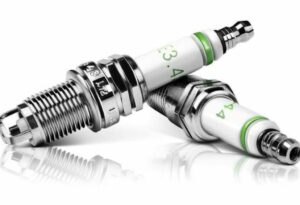
Understanding when do spark plugs need to be replaced is key to maintaining your car’s health. It’s not just about a mileage number; your car often gives you subtle hints. Generally, most manufacturers recommend checking or replacing spark plugs every 30,000 to 100,000 miles. This wide range depends heavily on your car’s make, model, and the type of spark plug it uses—copper, platinum, or iridium.
My first car, an older sedan, taught me this lesson the hard way. I started noticing a few things that made me wonder when do spark plugs need to be replaced. Here’s what to look out for:
- Rough Idling or Misfires: Have you ever felt your car shaking a bit more than usual when stopped at a red light? That’s often a sign of a misfire. Worn spark plugs might not ignite the air-fuel mixture properly, causing your engine to stumble. I remember my car feeling like it had a little cough, especially after a cold start.
- Reduced Fuel Economy: If you find yourself at the gas station more often, even if your driving habits haven’t changed, failing spark plugs could be the culprit. An inefficient spark means your engine has to work harder, burning more fuel. It’s like trying to light a campfire with a damp match; you use more matches to get the job done.
- Slow Acceleration or Loss of Power: Does your car feel sluggish when you press the gas pedal? Or maybe it struggles going uphill? This loss of responsiveness is a common symptom. A strong, consistent spark is vital for optimal power, and old plugs just can’t deliver that punch.
- Engine Struggling to Start: While many things can cause a hard start, weak or fouled spark plugs are definitely on the list. If your engine cranks but takes a while to fire up, or needs a few tries, it’s a strong indicator. It feels a bit like your car is reluctant to wake up in the morning!
- Check Engine Light: Of course, the infamous check engine light can point to many issues, but sometimes it’s directly related to spark plugs. Often, a code like P0301 (cylinder 1 misfire) will pop up, specifically indicating an issue with a spark plug or related component in that cylinder. When this light came on in my car, it was definitely time to address when do spark plugs need to be replaced.
When I finally pulled the old spark plugs from my car, I could clearly see the wear. The electrode tips were rounded and corroded, instead of being sharp and clean. This visual inspection can give you a lot of clues. For those comfortable with a wrench, replacing spark plugs yourself can be a rewarding task. Just make sure you use the right type of plug for your vehicle and gap them correctly if needed. If you’re unsure, or if your engine bay looks too intimidating, it’s always best to consult a trusted mechanic. They can diagnose the issue accurately and handle the replacement, ensuring everything is done correctly.
So, don’t wait until your car is truly struggling. By paying attention to these common signs and following manufacturer guidelines, you’ll know exactly when do spark plugs need to be replaced. This proactive approach ensures your engine stays healthy, runs smoothly, and keeps you driving confidently.