The truth revealed is that new spark plugs generally do not increase an engine’s horsepower beyond its factory design. While replacing old, worn plugs will restore any lost power and ensure optimal engine efficiency, performance-oriented plugs primarily aim to maintain consistent, powerful sparks for complete combustion, not add raw power. Therefore, think of them as crucial for peak performance *maintenance*, not a significant horsepower upgrade.
Hey there, fellow car enthusiasts! Have you ever wondered if swapping out your spark plugs could give your ride a noticeable boost in horsepower? It’s a common question, and honestly, it’s one I get asked a lot. We see all sorts of claims out there, so let’s clear up the confusion together.
The short answer is this: no, spark plugs don’t directly “add” horsepower to your engine in a significant way. Think of them more like vital components that *maintain* your engine’s original power and efficiency. If your car feels sluggish, new plugs can certainly make it feel like it gained power, but that’s usually just restoring what was lost.
Do Spark Plugs Really Increase Horsepower, or Is There More to the Story?
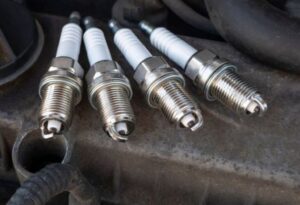
That’s an excellent question, and it really gets to the heart of what spark plugs do. From my experience, and talking to countless mechanics and enthusiasts, the idea that spark plugs “increase horsepower” is mostly a misunderstanding. Here’s the real scoop:
Spark plugs are crucial. Their job is to create the spark that ignites the air-fuel mixture in your engine’s cylinders. This ignition is what generates the power that moves your car. For your engine to run at its best, this spark needs to be precise, strong, and consistent, happening at just the right moment.
Now, here’s where the “increase horsepower” myth comes in. Over time, spark plugs wear out. Their electrodes erode, carbon builds up, and the gap can widen. When this happens, they produce a weaker, less consistent spark. This leads to incomplete combustion, misfires, and a noticeable drop in your engine’s performance. Your car might feel sluggish, less responsive, and even use more fuel. When you replace these old, worn-out spark plugs with fresh, properly gapped ones, you restore your engine’s ability to combust fuel efficiently. This brings your engine back to its original factory horsepower and torque. It feels like an increase because you’ve regained lost performance, but you haven’t actually added any new power above what the engine was designed for.
What about those fancy “performance” spark plugs, you ask? Brands often advertise plugs with multi-ground electrodes, finer tips (like iridium or platinum), or different heat ranges. While these can offer benefits, they rarely translate to measurable horsepower gains in a stock engine. For example:
- Iridium and Platinum Plugs: These are fantastic for longevity and providing a very consistent, strong spark over a longer period. This consistency can contribute to slightly better fuel efficiency and smoother running because combustion is more complete. However, they don’t add raw power. They simply maintain optimal conditions for longer than traditional copper plugs.
- Multi-Ground Electrodes: The idea here is to offer more pathways for the spark. In reality, the spark will typically take the easiest path. For a stock engine, the difference in horsepower is negligible. Their main benefit might be extended life or a marginal increase in ignition reliability under extreme conditions.
In highly modified or custom-tuned engines, specific spark plugs with different heat ranges or designs *might* be chosen to handle extreme conditions or optimize a very specific combustion event. But even then, they are usually complementing other significant modifications (like turbochargers or engine tuning) that *do* increase horsepower, rather than being the source of the power themselves. For 99% of daily drivers, sticking to OEM-recommended or quality aftermarket plugs is the best bet for reliability and maintaining your engine’s designed performance.
Speaking from personal experience, I once had a car that was just not pulling like it used to. I thought, “Maybe I need to get some performance spark plugs to boost horsepower!” I swapped them out with a good quality set that met the manufacturer’s specs. The car felt like new again, really responsive and smooth. It felt faster, but I knew deep down I hadn’t added power; I’d just brought it back to its prime. It was a great feeling, but an actual horsepower increase would have required much more extensive modifications.
Here’s a practical tip: when you do replace your spark plugs, always make sure they are properly gapped according to your car’s specifications. Even new plugs can sometimes be slightly off, and a correct gap is essential for that perfect spark. I always double-check this myself. Another thing I’ve learned is that combining new spark plugs with other routine maintenance, like a fresh air filter and clean fuel injectors, really makes the most noticeable difference in how your car runs. It’s all about the system working together!
So, while spark plugs won’t magically give your car a horsepower surge, they are absolutely fundamental to keeping your engine running at its peak efficiency and power. Investing in good quality spark plugs and replacing them as part of your regular maintenance schedule is one of the smartest things you can do for your car’s longevity and consistent performance. It ensures you always get the full horsepower your engine was designed to deliver.