You generally do not need to gap iridium spark plugs, and it is strongly discouraged. These plugs come precisely pre-gapped from the factory for your specific engine application, and their delicate iridium tips are extremely susceptible to damage from gapping tools. Attempting to adjust the gap can easily bend or break the fine-wire tip, leading to misfires or plug failure, so it’s best to install them as-is.
Hey there, fellow car enthusiast! Ever stared at a shiny new iridium spark plug and wondered, “Do I need to gap this?” It’s a super common question, and honestly, it can be a bit confusing. So, let me cut straight to the chase: for most modern vehicles and pretty much all iridium spark plugs, the answer is a resounding no, you do not need to gap iridium spark plugs.
I know, it goes against what many of us learned about traditional spark plugs. But iridium plugs are a different breed. They’re designed with precision and often pre-gapped at the factory. Trying to adjust them can actually do more harm than good. Let’s dive into the truth.
Do you need to gap iridium spark plugs or is it best to leave them alone?
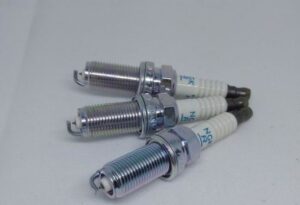
Generally, you should not gap iridium spark plugs. Here’s why this seemingly simple task is actually risky and unnecessary for these advanced plugs:
Iridium spark plugs are engineering marvels. They feature an incredibly fine wire electrode, often less than 1mm thick, made from a very hard but brittle material. This thin electrode allows for a more focused, efficient spark, but it also makes the plug extremely susceptible to damage if you try to gap iridium plugs manually. Even a slight bend or force can cause the delicate electrode to break or the insulator to crack, leading to misfires or complete failure.
Manufacturers pre-gap these plugs with incredible precision. They arrive from the factory set to the exact specifications your engine needs. Modern engines are highly sensitive to spark plug gap. An incorrect gap, even a tiny bit off, can throw off your engine’s combustion efficiency, increase emissions, and even reduce performance. Trust me, the engineers know what they’re doing!
What if I’m worried the gap is wrong?
It’s a fair concern. While rare, a plug could get jostled during shipping or be incorrectly packaged. If you feel you absolutely must check the gap, do so with extreme caution. Use a wire-style feeler gauge, not the coin-style gappers that can easily damage the fine electrode. Gently slide the wire gauge in to verify the gap against your vehicle manufacturer’s specifications.
Here’s the critical part: If the gap is off, or if you feel any resistance trying to check it, do not attempt to adjust it. Seriously. Trying to bend the iridium electrode, even slightly, is a recipe for disaster. I remember once, early in my wrenching days, I tried to gently pry open a gap on an iridium plug. *Snap!* The tip broke right off. Had to toss it and buy a new one. It was a tough, expensive lesson learned about gapping iridium spark plugs.
Instead, if you find a plug with an incorrect gap, your best bet is to return it for an exchange. It’s far safer and ensures your engine gets a plug that performs as intended. The risk involved in trying to gap iridium spark plugs manually far outweighs any perceived benefit.
My personal tips for installing iridium plugs:
- Always double-check your vehicle’s owner’s manual for the correct spark plug part number and any specific installation instructions.
- Handle iridium plugs with extreme care. Hold them by the metal shell, not the tip or the insulator.
- Thread them into the cylinder head by hand first, to avoid cross-threading.
- Use a torque wrench to tighten them to the manufacturer’s specified torque. Overtightening can also damage the plug or the cylinder head.
So, there you have it. When it comes to gapping iridium spark plugs, the best advice is almost always to leave them alone. Trust the engineers, trust the manufacturing process. Install them gently, torque them correctly, and enjoy the smooth performance. Your engine (and your wallet) will thank you for saving yourself the potential headache and expense of a damaged plug. Happy driving!