Changing spark plugs can significantly improve gas mileage, but primarily when your existing plugs are genuinely worn, fouled, or failing. While routine replacement as part of maintenance is crucial for engine health, you’ll see the most noticeable fuel economy gains when faulty plugs are replaced, as they restore efficient combustion and prevent fuel waste.
The Real Answer Does Changing Spark Plugs Improve Gas Mileage
Hey everyone! We’ve all wondered if a simple spark plug change can magically boost our car’s gas mileage, right? It’s a question I’ve heard countless times, and honestly, I used to wonder too. So, let’s get straight to it: does changing spark plugs improve gas mileage? The short answer is yes, it absolutely can, but it’s not always a dramatic leap, and it mostly depends on the current state of your old plugs.
Think of it like this: if your car’s spark plugs are tired and worn out, giving them a fresh set is like giving your engine a new lease on life. This can definitely lead to noticeable improvements in how efficiently your car uses fuel. But if your plugs are already in tip-top shape, you might not see a huge change. Let’s dive deeper into when and why this maintenance step makes a real difference for your fuel economy.
So, Exactly How Does Changing Spark Plugs Improve Gas Mileage, and When Should I Consider It?
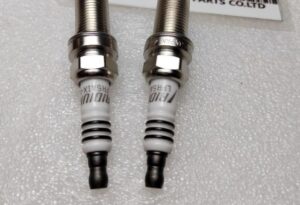
Okay, let’s dig into the nitty-gritty. Your spark plugs are tiny but mighty heroes in your engine. Their job is to create a small spark that ignites the air-fuel mixture in each cylinder. This ignition is what powers your car. When everything works perfectly, you get a strong, consistent combustion. This means all the fuel gets burned efficiently, giving you good power and the best possible gas mileage.
Now, what happens when spark plugs get old and tired? Over time, the tips of the plugs wear down, they can get covered in carbon deposits, or their gap might widen. When this happens, they can’t create that strong, clean spark anymore. Instead, you might get a weak, inconsistent spark, or even misfires where the fuel-air mixture doesn’t ignite at all. Imagine trying to light a campfire with a damp match – it just doesn’t work well!
When your spark plugs aren’t doing their job right, your engine has to work harder. Fuel might not burn completely, leading to wasted gas literally going out your exhaust pipe. This is where does changing spark plugs improve gas mileage truly shines. By replacing those worn-out plugs with fresh ones, you restore a strong, consistent spark. This ensures a complete and efficient burn of the fuel in every cylinder, meaning your engine uses less gas to do the same amount of work. It’s a bit like giving your engine a perfectly tuned guitar; every note (combustion) is clear and strong.
From my own experience, I remember my old SUV started feeling sluggish, and I noticed my trips to the gas station becoming more frequent. The “Check Engine” light even flickered on a couple of times. After finally getting around to changing the spark plugs (they looked ancient!), the difference was clear. The engine ran smoother, felt more responsive, and yes, my fuel economy saw a nice bump. It wasn’t like doubling my mileage, but it was a solid 10-15% improvement, which adds up over time.
So, when should you consider this? Here are some signs and tips:
- Manufacturer’s Schedule: Always check your car’s owner’s manual. Most manufacturers recommend changing plugs every 30,000 to 100,000 miles, depending on the type of plug (copper, platinum, iridium). Don’t ignore this!
- Rough Idling or Hesitation: If your car shudders or feels rough when it’s just sitting still, or hesitates when you accelerate, worn plugs could be the culprit.
- Reduced Acceleration or Power: Does your car feel less peppy than it used to? That could be a sign.
- Check Engine Light: As I mentioned, sometimes a misfire from bad plugs can trigger this light.
- Personal Experience Tip: My mechanic friend always tells me to think of spark plugs as part of a bigger picture. While new plugs definitely help, don’t forget other basics like a clean air filter, properly inflated tires, and good driving habits. All these work together to give you the best possible gas mileage. Also, always use the correct spark plugs recommended for your specific car model – don’t just grab the cheapest ones!
In summary, does changing spark plugs improve gas mileage? Yes, absolutely, especially if your current plugs are past their prime. It’s a key part of maintaining your engine’s health and efficiency. While it might not turn your gas-guzzler into a hybrid overnight, it’s a smart investment that can lead to noticeable savings at the pump and a much happier car. Keep up with your car’s maintenance, and both you and your wallet will thank you!