Spark plugs commonly fail as their electrodes wear down over time, which widens the gap and weakens the spark needed for combustion. This wear, along with fouling from carbon, oil, or fuel deposits that impede electrical flow, are primary culprits, while physical damage like cracked insulators can also render them ineffective.
Why Your Engine Misfires How Does A Spark Plug Go Bad
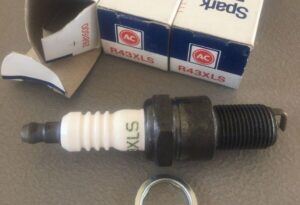
Ever started your car only to feel it sputter and shake? Or maybe it just doesn’t have the pep it used to? Trust me, I’ve been there. Often, the culprit is your spark plugs. These little heroes are crucial for making your engine run smoothly, and when they start to falter, your car lets you know. So, how does a spark plug go bad? They gradually wear down, get dirty, or sometimes get damaged, leading to those frustrating engine misfires.
Understanding what causes a spark plug to go bad isn’t just for mechanics; it helps you catch issues early and keep your ride reliable. Think of it like a detective story where your engine is giving you clues. Let’s dive into the common reasons why these essential components stop doing their job effectively.
So, exactly how does a spark plug go bad and what causes these common issues?
You know, a spark plug doesn’t often fail with a bang. It’s usually a slow decline, or sometimes, a sudden fault that causes your engine to grumble. From my experience, I’ve seen several key ways a spark plug goes bad. Here’s the breakdown:
1. Normal Wear and Tear (The Aging Process):
- Electrode Erosion and Gap Widening: This is the most common reason a spark plug goes bad. Every time a spark jumps between the central and ground electrodes, a tiny bit of material erodes. Over thousands of miles, this gap widens. A wider gap requires more voltage to create a spark, eventually exceeding what your ignition coil can provide. When the spark is weak or inconsistent, your engine misfires. It’s just like your favorite pair of sneakers eventually wearing out from all those walks. I remember my old sedan started feeling sluggish, especially uphill. Turns out, the spark plug gaps were huge!
- Heat and Corrosion: The extreme temperatures inside the combustion chamber, combined with corrosive byproducts of combustion, also contribute to the electrodes breaking down over time.
2. Fouling (Getting Dirty):
Fouling means deposits build up on the electrodes or the insulator tip, preventing a strong spark. This is a very common way a spark plug goes bad, and often tells you something else might be wrong with your engine.
- Carbon Fouling: This looks like dry, black soot on the plug. It often happens with a rich fuel mixture (too much fuel, not enough air), prolonged idling, or a clogged air filter. The carbon acts as an electrical conductor, allowing voltage to leak away instead of creating a spark. I once had a car that was running rich, and the plugs looked like they’d been dipped in charcoal!
- Oil Fouling: If you see wet, oily black deposits, that’s oil fouling. This usually points to engine issues like worn piston rings, valve guides, or valve seals that are allowing oil into the combustion chamber. When oil burns, it leaves a residue that coats the spark plug, blocking the spark.
- Ash Fouling: These are reddish-brown or white deposits, usually from additives in fuel or oil. While some ash is normal, excessive build-up can insulate the electrodes, making the plug misfire.
- Fuel Fouling: If a plug is wet with gasoline, it means the cylinder isn’t firing, possibly due to a faulty injector or too much fuel being delivered. The fuel prevents the spark from forming.
3. Overheating (Too Hot to Handle):
An overheated spark plug often shows a white, blistered, or melted insulator tip, and sometimes even melted electrodes. This is a serious condition that can lead to engine damage. It’s another way a spark plug goes bad, often with clear visual signs.
- Wrong Heat Range: Using a spark plug that’s too “hot” for your engine (meaning it retains too much heat) can cause it to overheat. Always use the manufacturer-recommended heat range. I learned the hard way that matching the plug to the engine’s specific needs is critical.
- Lean Fuel Mixture: Not enough fuel in the air-fuel mixture causes excessively high combustion temperatures.
- Advanced Ignition Timing: If the spark happens too early, it can also lead to overheating.
- Pre-ignition/Detonation: These uncontrolled ignitions inside the cylinder can severely damage spark plugs and other engine components.
4. Physical Damage:
- Cracked Insulator: Dropping a spark plug or overtightening it during installation can crack the ceramic insulator. This allows voltage to escape, preventing a proper spark. It’s a common rookie mistake, trust me!
- Bent Electrode: Again, improper handling or installation can bend the ground electrode, closing the gap too much or even shorting it out.
When any of these issues occur, the spark plug simply can’t do its job of creating a strong, consistent spark. This directly leads to incomplete combustion, causing your engine to misfire, lose power, consume more fuel, and even increase emissions. Keeping an eye on your engine’s performance and checking spark plugs during routine maintenance can save you a lot of headache and money down the road.
So, understanding how a spark plug goes bad is key to good car care. These little components are vital for your engine’s health. Recognizing the signs of their decline helps you address issues before they become major problems. Regular checks and timely replacements, according to your car’s service schedule, are your best bet to keep your engine humming smoothly. Your car (and your wallet!) will thank you for it.