The ideal spark plug replacement interval isn’t a one-size-fits-all number, but critically depends on the type of plug in your engine. While traditional copper plugs may require changing around 30,000-50,000 miles, advanced iridium or platinum plugs offer extended life, often lasting 60,000 to over 100,000 miles. Always consult your vehicle’s owner’s manual for the precise recommendation, as this is the definitive guide for optimal performance and longevity.
How Many Miles Should I Change My Spark Plugs The Truth
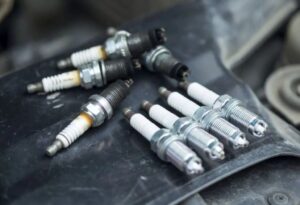
Ever found yourself scratching your head, wondering, “How many miles should I change my spark plugs?” You’re not alone! It’s a super common question among car owners, and honestly, the answer isn’t a simple one-size-fits-all number. But don’t worry, I’m here to share the real scoop, based on my own experiences and what I’ve learned over the years.
Generally, you’ll be looking at a range of anywhere from 30,000 to 100,000 miles. Yep, that’s a pretty big gap! The “truth” is, it really depends on a few key factors: your car’s make and model, the type of spark plugs it uses, and what your car’s manufacturer specifically recommends. Let’s dive deeper.
How Many Miles Should I Change My Spark Plugs?
So, you want to know the ideal mileage to change your spark plugs? The most honest answer is always to check your car’s owner’s manual first. Seriously, it’s like a secret cheat sheet for your specific vehicle. Every car is different, and the engineers who designed yours know best. What they say is the gold standard for when to change your spark plugs.
However, I can give you a really good general idea, which has helped me and my friends keep our cars running smoothly:
- Copper Spark Plugs: These are often found in older cars or those designed for high performance. They’re great conductors but wear down faster. Expect to change these more frequently, typically every 30,000 to 50,000 miles. I remember a time my old truck had copper plugs, and sticking to this schedule really kept it purring.
- Platinum or Iridium Spark Plugs: Most modern cars come with these. They cost a bit more but are built to last a lot longer. You can often go 60,000 to 100,000 miles or even more before needing a replacement. My current sedan has iridium plugs, and following the 100,000-mile guideline in the manual has worked perfectly.
But beyond the manual and plug type, your car might tell you it’s time for a spark plug change even sooner. Pay attention to these common warning signs:
- Rough Idling: If your car feels shaky or like it’s struggling when it’s just sitting still, that’s a big clue. I once ignored this, and my car felt like it was doing a little dance at every stop light!
- Engine Misfires or Hesitation: Does your car stumble or feel like it loses power when you accelerate? That’s a classic sign your spark plugs aren’t firing correctly.
- Reduced Fuel Economy: Are you suddenly filling up your tank more often? Worn-out spark plugs can make your engine less efficient, costing you more at the pump.
- Difficulty Starting Your Car: If it takes several tries or cranks longer than usual to get your engine going, weak spark plugs could be the culprit.
- Check Engine Light: Of course, if this light comes on, it’s always a good idea to get it checked out. Sometimes, a fault code related to an engine misfire can point directly to spark plug issues.
From my own experience, being proactive with maintenance is key. I like to visually inspect my spark plugs every now and then, especially if I’m already under the hood for something else. They should look relatively clean, not covered in black soot or white deposits. If they look really bad, it’s definitely time, regardless of the mileage.
Remember, changing your spark plugs isn’t just about keeping your car running; it’s about keeping it running well. Good spark plugs mean better power, smoother acceleration, and yes, better gas mileage. Don’t put it off!
So, next time you think about “how many miles should I change my spark plugs,” start with your owner’s manual, consider the plug type, and listen to your car. Staying on top of this simple maintenance task will save you headaches and money in the long run. Happy driving!