Changing your spark plugs typically costs between $40 to $250, but this can be significantly lower if you do it yourself. The overall price heavily depends on your vehicle’s make, model, engine complexity, and whether you pay for professional labor or just the parts. Understanding this cost breakdown helps you make an informed decision and save money.
Find Out How Much Changing Spark Plugs Costs Right Now
Hey there! If your car feels a bit off or isn’t getting great gas mileage, you might be thinking about spark plugs. So, how much does changing spark plugs cost? Generally, expect to pay anywhere from $100 to $400 for professional service. For some complex engines, it might be a bit more. If you’re tackling it yourself, your cost is mainly parts, which could be as low as $20-$60 for a set. It truly depends on your car and how you approach the job.
Understanding these costs helps you plan. Let’s explore what makes the price tag for a spark plug change fluctuate.
What truly goes into the cost of changing spark plugs, and what should I expect?
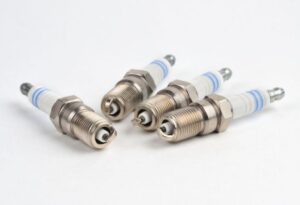
The “cost of changing spark plugs” isn’t a single number; it’s a mix of parts, labor, and your car’s specific needs.
The DIY Path: Just Parts
If you’re comfortable working on your car, you can save a lot on labor. Your main expense will be the spark plugs themselves. A full set of quality platinum or iridium plugs might cost $20 to $60. If you need basic tools, add another $30-$50 for items like a spark plug socket and ratchet. My first time doing it, I bought a basic kit, and the total was under $100. It’s a rewarding project, but research your car’s specific steps carefully!
Professional Help: Mechanic’s Pricing
Most people hire a professional, which adds labor costs. Here’s the breakdown for a spark plug replacement cost:
- Parts Cost: Shops usually mark up parts slightly. Expect to pay $40 to $120 for a set of spark plugs, depending on the type (copper, platinum, or iridium) and your car model.
- Labor Cost: This is the biggest variable. Shop hourly rates typically range from $75 to $150+. The time needed varies greatly:
- A simple 4-cylinder engine with accessible plugs might take 30 minutes to an hour of labor (e.g., $75-$150).
- A V6 or V8 engine, especially with plugs hidden under the intake manifold, could take 2-4 hours or more. My neighbor paid over $300 in labor alone for his V6 sedan, as the mechanic had to remove several components to reach the rear plugs. This can push the total cost of spark plug change to $300-$500+.
Factors Affecting Your Spark Plug Replacement Cost
Several elements influence the final price when you replace spark plugs:
- Car Make and Model: A luxury V8 SUV will be more expensive than a compact 4-cylinder sedan. More cylinders mean more plugs, and some designs are harder to access.
- Spark Plug Type:
- Copper: Cheapest ($2-$5 each), shorter lifespan (30k miles).
- Platinum: Mid-range ($5-$10 each), good lifespan (60k-80k miles).
- Iridium: Priciest ($10-$20+ each), longest lifespan (100k+ miles).
Higher quality plugs cost more upfront but last longer.
- Engine Layout: Inline engines generally have easily accessible plugs. “V” engines often have plugs buried, increasing labor time.
- Shop Location and Type: Dealerships usually charge more than independent mechanics. Costs also vary geographically.
- Additional Discoveries: Sometimes, while changing spark plugs, mechanics spot other issues like a failing coil pack or a leaking gasket. While not part of the spark plug service, addressing these at the same time can save future labor costs.
My Tip: Always get a few quotes! I once saved $50 on a routine service just by checking two shops. Also, don’t skip this maintenance. Ignoring worn spark plugs can lead to poor fuel economy, misfires, and potential damage to expensive components like your catalytic converter, making the initial cost of spark plug change seem minimal in comparison.
Ultimately, changing spark plugs is a vital part of car maintenance. Whether you do it yourself or hire a professional, understanding these factors helps you manage the cost effectively and keep your car running its best.