The frequency of spark plug replacement varies significantly, primarily depending on your vehicle’s make, model, and the type of plugs installed. While modern iridium and platinum plugs can last 60,000 to 100,000 miles, older copper plugs might require changing every 30,000 miles. Always consult your car’s owner’s manual for the definitive maintenance schedule, and don’t ignore signs like misfires or reduced fuel efficiency.
How Often Are You Supposed To Change Spark Plugs?
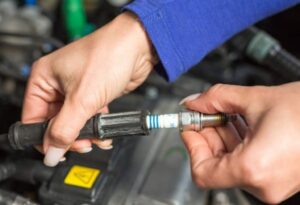
Ever wondered, “How often are you supposed to change spark plugs?” It’s one of those car maintenance questions that can feel a bit mysterious, right? You hear different numbers floating around, and it’s easy to get confused. Well, let me share a simple truth right off the bat: there isn’t a single, universal answer. Generally, you’re looking at needing to replace your spark plugs somewhere between every 30,000 to 100,000 miles. But here’s the kicker: it really depends on your specific car, the type of spark plugs it uses, and even how you drive.
Think of it like this: your car’s spark plugs are tiny but mighty heroes. They create the spark that ignites the fuel-air mixture in your engine, making your car go! Over time, these little workhorses wear out, and when they do, your car’s performance takes a hit. So, understanding the right time for a spark plug change is super important for keeping your ride smooth and efficient.
How Often Are You Supposed To Change Spark Plugs, Really?
Okay, let’s dive deeper into this. When you’re trying to figure out exactly how often you should be changing your spark plugs, there are a few key things to consider, based on my own experience and what I’ve learned over the years:
- Your Owner’s Manual is Your Best Friend: Seriously, this is step one. Every car manufacturer has specific recommendations. My old Honda Civic had a different schedule for changing spark plugs than my current SUV. They design your engine, so they know best! Always check that little book in your glove compartment first.
- Type of Spark Plugs Matters a Lot: Not all spark plugs are created equal. This is a huge factor in their lifespan:
- Copper Spark Plugs: These are the traditional kind and usually have the shortest lifespan, often needing a change every 30,000 to 40,000 miles. My first car, an older pick-up, used these, and I remember changing spark plugs quite regularly.
- Platinum Spark Plugs: A step up! These last longer, typically 60,000 to 80,000 miles. They’re more resistant to wear.
- Iridium Spark Plugs: These are the longest-lasting, often good for 80,000 to 100,000 miles or even more. Many modern cars come with iridium spark plugs from the factory, which means fewer changes for you. My current car uses iridium, and it’s a relief not to worry about them as often!
- Your Driving Habits Play a Role: Do you drive mostly stop-and-go in the city? Or do you mostly cruise on the highway? Frequent short trips, heavy loads, or aggressive driving can cause your spark plugs to wear out a bit faster than average.
- Watch for the Warning Signs: Your car will often tell you when it’s time for a spark plug change. Don’t ignore these clues!
- Rough Idling: Does your car feel like it’s shaking a bit more than usual when stopped? That’s a classic sign.
- Engine Misfires or Hesitation: If your car stumbles or hesitates, especially during acceleration, worn spark plugs could be the culprit. I once felt my engine lose a bit of oomph, and a fresh set of spark plugs made a huge difference.
- Poor Fuel Economy: Are you filling up more often than before? Inefficient spark plugs mean your engine isn’t burning fuel properly, leading to wasted gas. This is often one of the first things I notice personally.
- Slow Acceleration: If your car feels sluggish or less responsive, it might be struggling to get that perfect spark.
- Check Engine Light: Sometimes, your car’s computer will detect a misfire caused by a bad spark plug and illuminate that dreaded light.
My advice? Don’t just wait for things to go wrong. Being proactive about changing spark plugs can save you headaches and money down the road. If you’re due for a change, or if you’re experiencing any of these symptoms, it’s a good idea to get those spark plugs inspected or replaced. For some, changing spark plugs can be a satisfying DIY project, but if you’re not comfortable, a trusted mechanic can usually do it quickly and efficiently. Just remember to always use the correct type of spark plug for your specific vehicle!
So, to wrap things up, figuring out how often you are supposed to change spark plugs really comes down to listening to your car and, most importantly, consulting your owner’s manual. Regular maintenance, including timely spark plug replacement, is key to keeping your car running smoothly, efficiently, and reliably for years to come. Your engine will thank you!