Spark plug replacement intervals vary significantly, primarily based on the plug material and your vehicle’s manufacturer recommendations. While conventional copper plugs typically need changing every 30,000-50,000 miles, modern platinum and iridium plugs can last upwards of 100,000 miles. Always consult your owner’s manual for precise guidance to maintain peak engine performance and fuel efficiency.
Know How Often Do Spark Plugs Need To Be Changed
Ever wondered about that tiny part of your car that helps it start and run smoothly? That’s the spark plug! It ignites the fuel-air mix in your engine. Keeping them in good shape is key to a happy car. So, how often do spark plugs need to be changed? Well, it’s not a one-size-fits-all answer. For many modern cars, you might be looking at a much longer interval than you’d expect, sometimes over 100,000 miles. But for others, it could be less. It really depends on your car’s make, model, the type of spark plug it uses, and even how you drive.
Getting this right helps your engine perform its best. It keeps your fuel economy up and prevents bigger issues down the road. Let’s dive into what you need to know about changing these important little components.
Q: So, how often do spark plugs need to be changed, really?
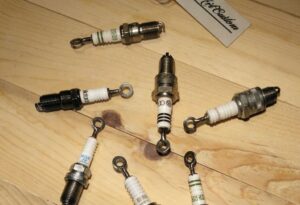
A: That’s a great question, and honestly, the answer varies quite a bit! It’s like asking how often you need new shoes; it depends on how much you wear them and what kind they are. For your car’s spark plugs, the general range can be anywhere from 30,000 miles to well over 100,000 miles. Here’s what influences that number:
* Spark Plug Type: This is a huge factor.
* Copper Plugs: These are the traditional kind. They usually need changing every 30,000 to 50,000 miles. I remember my old ’90s sedan used these, and I’d swap them out fairly regularly to keep it running smoothly.
* Platinum Plugs: A step up from copper, platinum plugs last longer. You might get 60,000 to 80,000 miles out of them. They resist wear better.
* Iridium Plugs: These are the champions of longevity! Most new cars today come with iridium plugs. They can often last 100,000 miles or even more. It’s pretty amazing how far technology has come.
* Your Car’s Owner’s Manual: This is your absolute best friend. Seriously, always check your car’s specific recommendations. The manufacturer knows best what your engine needs. My mechanic always tells me, “When in doubt, check the book!”
* Your Driving Habits: How you drive makes a difference. If you do a lot of stop-and-go city driving, your plugs might wear a bit faster. That’s because the engine experiences more cycles of starting and stopping, and often runs at lower, less efficient speeds. Highway cruising, on the other hand, is usually gentler on your plugs. I noticed this myself when I used to commute in heavy traffic versus my weekend road trips; the plugs just seemed happier with open road.
* Engine Health: Sometimes, other engine issues can affect plug life. Things like oil leaks getting onto the plugs or an overly rich fuel mixture can cause them to foul and need changing sooner. It’s a good reason to keep up with all your car’s regular maintenance.
When to pay attention – signs your spark plugs need changing:
Don’t wait until your car acts up completely. There are usually warning signs.
* Engine Misfires: Your car might feel like it’s stumbling or hesitating, especially when accelerating. It feels like a little “hiccup” in the engine.
* Rough Idling: When your car is stopped but running, does it feel shaky or vibrate more than usual? That’s a common sign.
* Poor Fuel Economy: If you’re suddenly filling up your tank more often than before, worn plugs could be the culprit. They aren’t burning fuel efficiently.
* Slow Acceleration: Your car might feel sluggish and less responsive when you press the gas pedal. It just loses its “pep.”
* Check Engine Light: This little light on your dashboard can signal many things, but sometimes it’s related to a misfire caused by faulty plugs.
* Hard Starting: If your car struggles to start, especially on cold mornings, weak sparks could be the issue.
Why bother changing them on time?
Changing your spark plugs on schedule is a relatively inexpensive bit of maintenance that pays off big time. Fresh plugs ensure your engine runs efficiently, saving you money on gas. They also help your engine last longer by preventing undue stress. It’s like giving your car fresh lungs; it just breathes better! I always make a note in my maintenance log and set a reminder. The time I waited a bit too long, my car definitely felt less responsive. When I finally replaced them, the difference was immediate – smoother idling, quicker acceleration, and just a happier ride overall. It’s truly one of those fixes that gives you a noticeable improvement. If you’re unsure or uncomfortable doing it yourself, a trusted mechanic can easily check and replace them for you.
So, while the mileage varies, the importance of timely spark plug changes doesn’t. Your car will thank you for it!